
 1.866.572.1107
  20.3991.3890
  1.800.846.451
Avdhesh is a New Delhi-based narrator and voice actor with over 20 years of experience recording in Hindi and Indian-accented English. His voice is calm, clear, warm, trustworthy, and naturally conversational, …
TurnaroundAudio back within 24 hours

Hand-picked, real human voices
Have a listen. Audition a few for free. Book the one that gives you goosebumps.
Avdhesh is a New Delhi-based narrator and voice actor with over 20 years of experience recording in Hindi and Indian-accented English. His voice is calm, clear, warm, trustworthy, and naturally conversational, …

George is a British Voiceover Artist & Voice Actor, based near Shrewsbury in the UK. Just on the English border with Wales, lovely. His voice puts the listener at ease, while keeping a confidence that doesn'…

Childlike, natural, enthusiastic, cheerful, bright, happy, conversational…

British Male Voiceover. English / London / Estuary / RP Accent. Neutral English. Professional Friendly Reassuring Warm Conversational Informative Confident Cool Smooth Natural Real Educate…

My voice is warm, conversational and unmistakably British, with a Yorkshire colour I can dial up or soften. It sits comfortably in the young adult and adult range, grounded and relatable one moment, playful or …

Juan Leal "El Cascabel" is a bilingual Spanish-English voice actor, radio personality, producer, and broadcaster with more than two decades of professional experience behind the microphone. His voice has bee…
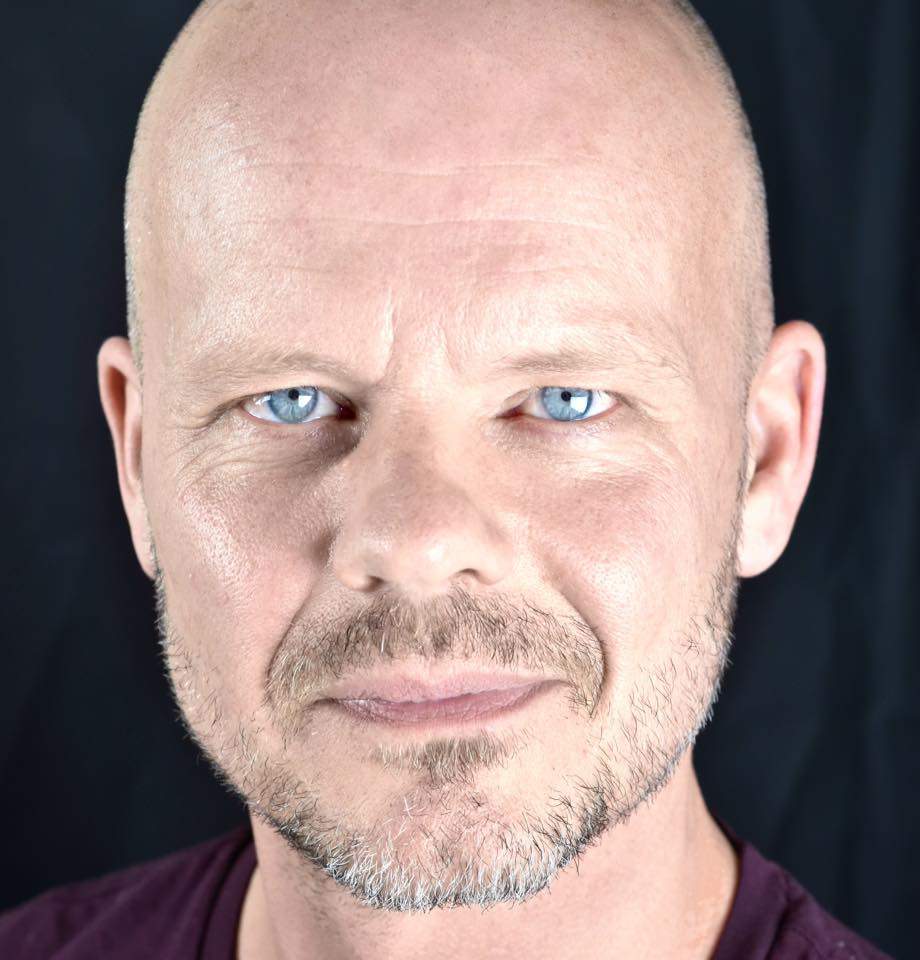
Warm, Authentic, Energetic…

Gabriela is a multifaceted broadcaster, who has worked on many very creative projects. He lives in Argentina, works in his own studio, can record in his native Argentine Spanish and Latinoamérica Neutral Spanis…

With decades of experience, my sound is authentic, welcoming, guiding, real, nurturing, believable, and warm. Having been coached by the best in the business, I am directable, reliable, fast and will delive…

Deep voice, warm, sexy if required, used to sing rock jazz and blues, smoother on demand, and many others variations available.…

Ziad has a friendly, expressive voice with a natural mid-range tone, covering late teens to elderly. With adaptable bass, he works across video games, commercials in UK and US accents and Arabic. Recent roles i…

Lucy Dwyer brings close to a decade of broadcast and media experience to every read — newsreading, journalism, podcast and video production have all sharpened her ear for tone. She moves fluently between re…
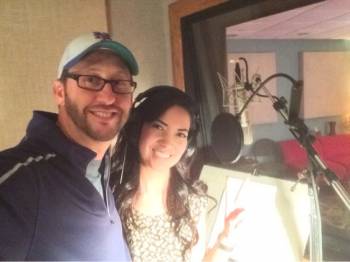
My voice dances between real and ridiculous. One moment it's your friendly neighborhood guy-next-door, clear, confident, and inviting — and next, it's an animated sidekick with comedic sparkle. It's versatile, …
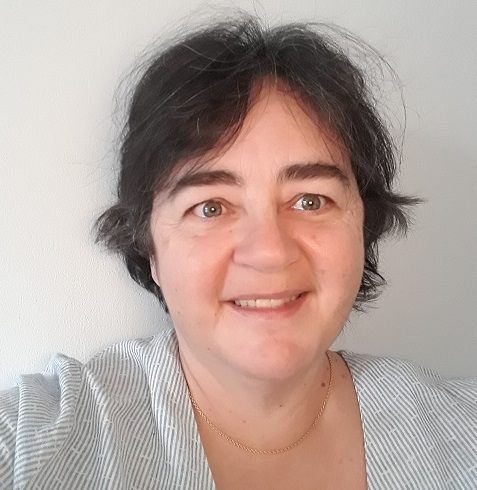
Hi, I'm Marie-Anne, My voice is soothing, soft and approachable. It can also be authoritative for corporate or institutional needs. And I can also speak like a child and do characters. Medium range, with cle…

Jean is one of Canada' busiest voice over talent. A warm trustworthy and knowledgeable French Canadian voice in the 35 to 55 age range. His specialties; e-learning, corporate presentations, phone prompts and e…

Persuasive voice for advertising. Credible tone for corporate business. Communicative teaching style for e-learning, off and phone voice. Narrative voice warm, friendly and artistic for audiobooks.…

Male young adult, soft kind type with versatile performance…
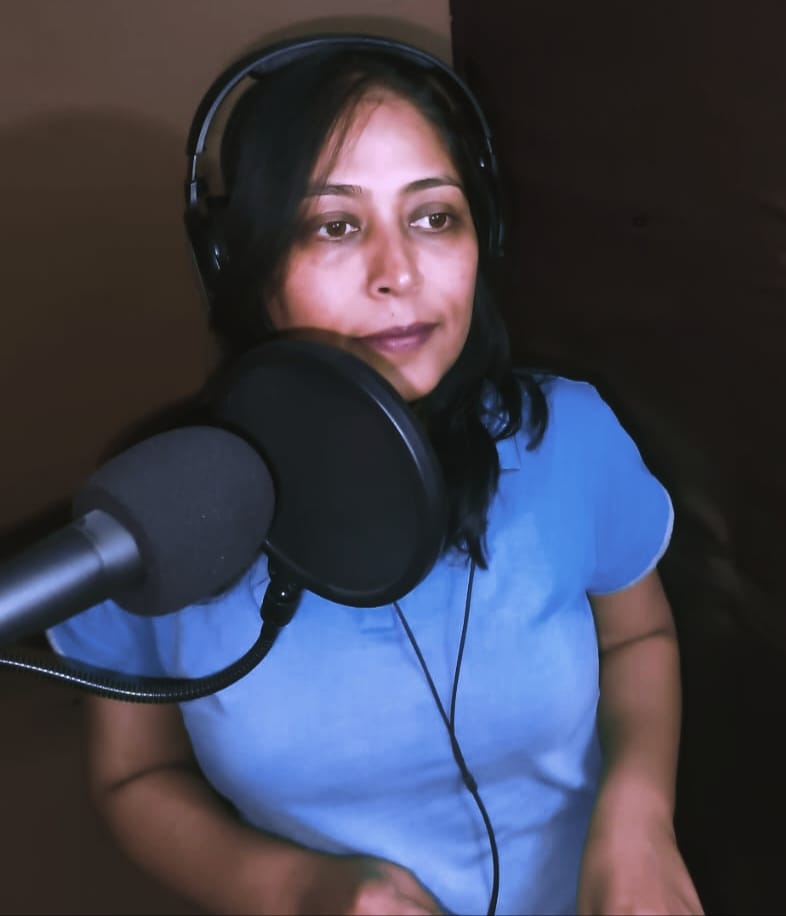
A warm, classy, pleasant, confident, clear, trustworthy, and soothing voice that's a perfect fit for all genres.…

Warm baritone…
I work from my own recording studio and accept all directed audio and video sessions. My voice can be applied to different characters : a little boy's voice (8 to 12 years old), a man's voice from 30 to 75 yea…
Can't decide? Post your script once and the voices come to you.
Post a free castingIf you're looking for a professional narration voice for a training video, corporate presentation, or instructional module, our platform offers access to skilled narration voice actors who understand clarity, pacing, and tone. Whether it's a PowerPoint presentation, industrial narration, sales or marketing training, or any form of educational content, you’ll find reliable voice actors for narration suited to your project.
We provide a wide range of neutral-accented male and female narration voice talents who specialize in delivering clean, polished audio for corporate communication and learning materials. With our streamlined narration voice over services, your message gains the professional quality needed for effective training and consistent brand communication.
A dedicated narration professional brings precision and impact to your script - helping your audience stay engaged, informed, and confident in the material presented. Explore Now !Narration is used across a wide range of training formats, each requiring a slightly different approach from narration voice actors. These formats may include step-by-step instructional videos, system walkthroughs, animated learning modules, or detailed compliance explanations. Because each format varies in structure, the narration style must adapt to the pacing and layout of the material.
When reviewing voice actors for narration, teams often look at how well a voice aligns with the technical level of the script. Some scripts call for a steady, methodical reading style, while others require a more conversational tone to match interactive or scenario-based lessons. Different categories of narration voice talents may handle:
• Straightforward training modules
• Short, stand-alone lesson segments
• Visual presentations that need clear guidance
• Content with detailed steps or procedures
In most narration workflows, projects are planned based on factors like script length, pace, and how the audio needs to match the visuals. This helps keep the narration consistent, especially when the training content is updated or produced in multiple versions.
Preparing Narration for Training Content
Training projects often require several preparation steps before narration is recorded. These steps help create a smooth workflow and ensure the audio aligns with the structure of the training material. When working with narration voice actors, teams usually focus on how the script and visuals will interact. Some key areas of preparation include:
• Script structure: Marking pauses, transitions, and emphasis points – a practice supported by tips in optimizing your speaking voice to improve clarity and engagement.
• Timing notes: Marking sections that must align with on-screen actions or demonstrations.
• Terminology guidelines: Listing technical terms or phrases for consistent pronunciation across modules.
• Audio specifications: Defining required formats such as mono/stereo, sampling rate, and file type.
• Reference materials: Sharing sample videos or previous modules for tone and pacing consistency.
When collaborating with voice actors for narration, teams often provide style references that outline pacing expectations, preferred tone, or any specific instructions for particular segments. These small details help maintain uniformity across different parts of the same training program.
Accessibility is another part of preparation. Narration may need to support captions or transcripts, so timing markers are added to ensure the audio and text stay aligned. This becomes especially important for training environments where learners rely on multiple formats for comprehension.
Because many training programs evolve over time, teams also document pronunciation choices, tone decisions, and module-specific notes. This helps ensure future updates remain aligned with earlier recordings.
Managing Updates, Localisation, and Quality Checks
Training content often changes over time, and narration has to adapt accordingly. Updates may involve replacing small segments instead of re-recording the full script. Working with narration voice talents allows teams to maintain tonal and timing consistency even when only parts of the content change. Common processes involved in managing updates include:
• Segment-based revisions: Recording only the sections affected by new information.
• Version tracking: Keeping a record of tone, pronunciation, and pacing choices for future reference.
• Module comparison: Ensuring newly recorded segments match earlier audio.
Understanding common pitfalls is useful in this phase. For example, reviewing lessons in why some voice talent get rejected can offer insight into consistent delivery standards and common errors to avoid when updating or reviewing audio segments.
For organisations with audiences in different regions, localisation becomes part of the workflow. Narration voice over services can help coordinate multiple versions of a script, each adapted for local terminology or dialect while keeping the structure uniform. This ensures learners receive the same sequence and clarity of information across regions.
Quality checks usually take place once recordings are complete. These reviews include:
• Tone and pronunciation checks
• Alignment with visual cues
• Verification of audio levels and technical standards
• Comparison with previous versions for consistency
These structured steps help keep training narration organised, accurate, and aligned with ongoing updates or new learning requirements.