Video Game Voice Over Talents
Video game voice over plays a critical role in shaping how players connect with characters, storylines, and interactive worlds. From subtle emotional cues to high energy battle dialogue, professional voice performances help transform gameplay into a believable and immersive experience. Strong voice acting ensures that characters feel authentic and that the narrative supports the visual and gameplay design without distraction.
Experienced voice actors for video game projects understand how to perform within the technical and creative demands of interactive media. This includes delivering multiple takes, reacting to non linear scripts, and maintaining consistency across long recording sessions. Whether the project involves cinematic cutscenes, in game dialogue, character grunts, or menu prompts, the right voice can significantly enhance player engagement.
The Voice Realm is trusted by leading game and animation developers to source skilled voiceover artists for video games and related promotional content. Our casting platform makes it easy to find, audition, and hire professional talent for video games, animations, and marketing assets. Whatever the scale or style of your project, we help you connect with voice talent that fits your creative vision and production needs.

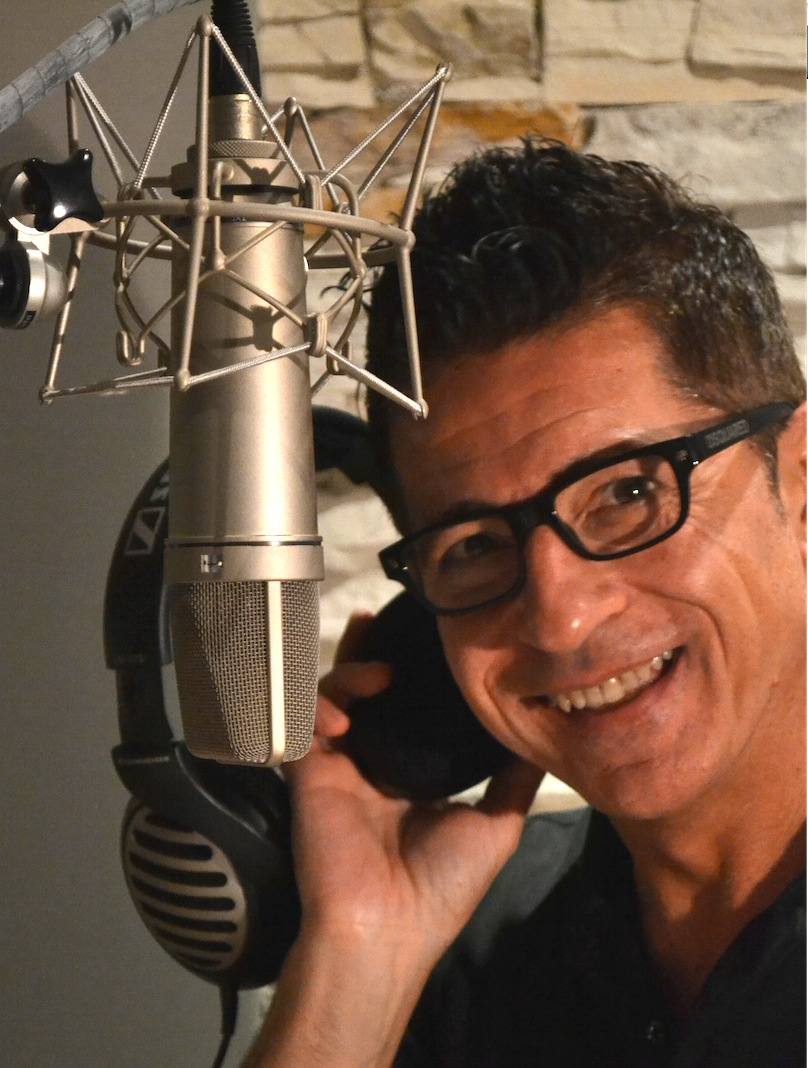
ThomasEnglish (Australian)
Yng Adult (18-29) | Adult (30-50) View Info Audition LOG IN FOR MORE OPTIONSJordiSpanish - Spain (Castilian)
Spanish (Latin American)
Adult (30-50) | Older Sound (50+)
View Info Audition LOG IN FOR MORE OPTIONS

OvaisEnglish (North American)
Hindi
Urdu
Adult (30-50) | Older Sound (50+)
View Info Audition LOG IN FOR MORE OPTIONS

DimitrisEnglish (North American)
Greek
Adult (30-50) | Older Sound (50+)
View Info Audition LOG IN FOR MORE OPTIONSHow Video Game Voice Over Fits into the Development Pipeline
Video game voice over is typically recorded alongside multiple stages of development rather than at a single fixed point. Scripts may change as gameplay mechanics, pacing, or character arcs evolve, making flexibility an important part of the process. Voice recordings are often integrated in phases, allowing audio teams to test how dialogue works within real gameplay scenarios.
During development, voice assets are reviewed not only for performance quality but also for technical compatibility. File naming conventions, delivery formats, and loudness standards must align with the game engine and audio middleware being used.
For teams that want a deeper understanding of the value professional performers bring to a project, the article Why a Professional Voice Talent is Worth Every Cent offers insight into how expert voice actors impact quality and efficiency.
Voiceover artists for video games are commonly asked to record:
• Placeholder dialogue during early development builds
• Final dialogue for launch versions
• Additional lines for updates, expansions, or live service content
• Alternate reads for player choice driven narratives
This staged approach allows developers to refine storytelling while keeping audio production aligned with evolving design decisions.
Long Term Use and Management of Game Voice Assets
Once recorded, video game voice over assets are often reused and managed over an extended period. Maintaining organized voice libraries helps teams quickly locate and deploy audio across different versions of a game or across multiple platforms. This long term use is closely tied to how the video gaming industry has evolved, with ongoing updates, downloadable content, and multi platform releases becoming standard.
Broader trends shaping this growth are outlined in the article More Facts on the Video Gaming Industry, which provides context on why voice assets now need to support extended development cycles.
Voice actors for video game projects may remain associated with a title for months or years, especially for franchises or ongoing titles. Consistent casting supports continuity and reduces the need for re-recording previously established characters. Common considerations for managing video game voice over assets include:
• Version control for updated or revised dialogue
• Clear labeling of characters, emotions, and context
• Compatibility across platforms and localization pipelines
• Planning for future content and expansions
By treating voice over as a long term production asset rather than a one time task, development teams can support smoother updates, clearer workflows, and consistent audio quality throughout the life of the game.
Look for voice talent with the FAST VOICE CASTING icon if you need your recording back in 4 hours or less.
Choose the exact actor you want and get the ball rolling!

All The Voice Realm talent have been hand picked as the best in the business.
Want to save money?
Try QUICKcast. Rates from just $55. The easiest, quickest and most affordable way to have your script read by a pro!
You will have your recorded script back within a few hours.
Our worldwide support staff watch over your job to ensure everything goes smoothly.
Video game voice over production involves unique technical and creative requirements compared to other forms of voice work. Scripts are often recorded out of sequence, with limited visual reference, and performances must remain consistent across multiple sessions and future updates. Planning for these factors early helps ensure smoother production and post production workflows.
Voice actors for video game projects are typically required to work within specific constraints, including timing, character continuity, and audio formatting standards. Understanding these requirements helps teams select voice over talent that can adapt efficiently during recording. Common elements involved in video game voice over projects include:
• Character dialogue for main and supporting roles
• Non playable character interactions and ambient voices
• Combat sounds, reactions, and effort vocals
• User interface prompts, tutorials, and system notifications
• Cinematic cutscenes and narrative sequences
Voiceover artists for video games may also be involved in additional recording sessions as a game evolves. Updates, downloadable content, and localization adjustments often require the same voice to be used again to maintain consistency. When casting video game voice over talent, production teams typically consider:
• Vocal range and character versatility
• Ability to follow detailed direction remotely
• Experience with interactive or non linear scripts
• Audio quality and recording reliability
Having a clear understanding of these elements helps streamline casting and recording, while supporting consistent voice performances throughout the lifecycle of a game.