

 1.866.572.1107
  20.3991.3890
  1.800.846.451
Voice recording services, Australia
Book at nine in Sydney. Files by knock-off.
Australian voice actors, recording in their own treated studios in Sydney, Melbourne, Brisbane, Perth and a lot of smaller places, for radio and TV, corporate video, e-learning, phone systems and everything in between.
- Free auditions of your script
- Published rates, no haggling
- Australian voices, Australian hours
On the prompterTake 1
AUSTRALIA · AEST · SAME DAY
Broadcast qualityLocal accentsNo studio hire
Voices in Australia
Accents that sound like the street outside.
Voices recording in Australia. From broad to barely-there, and every one in a studio good enough for broadcast.
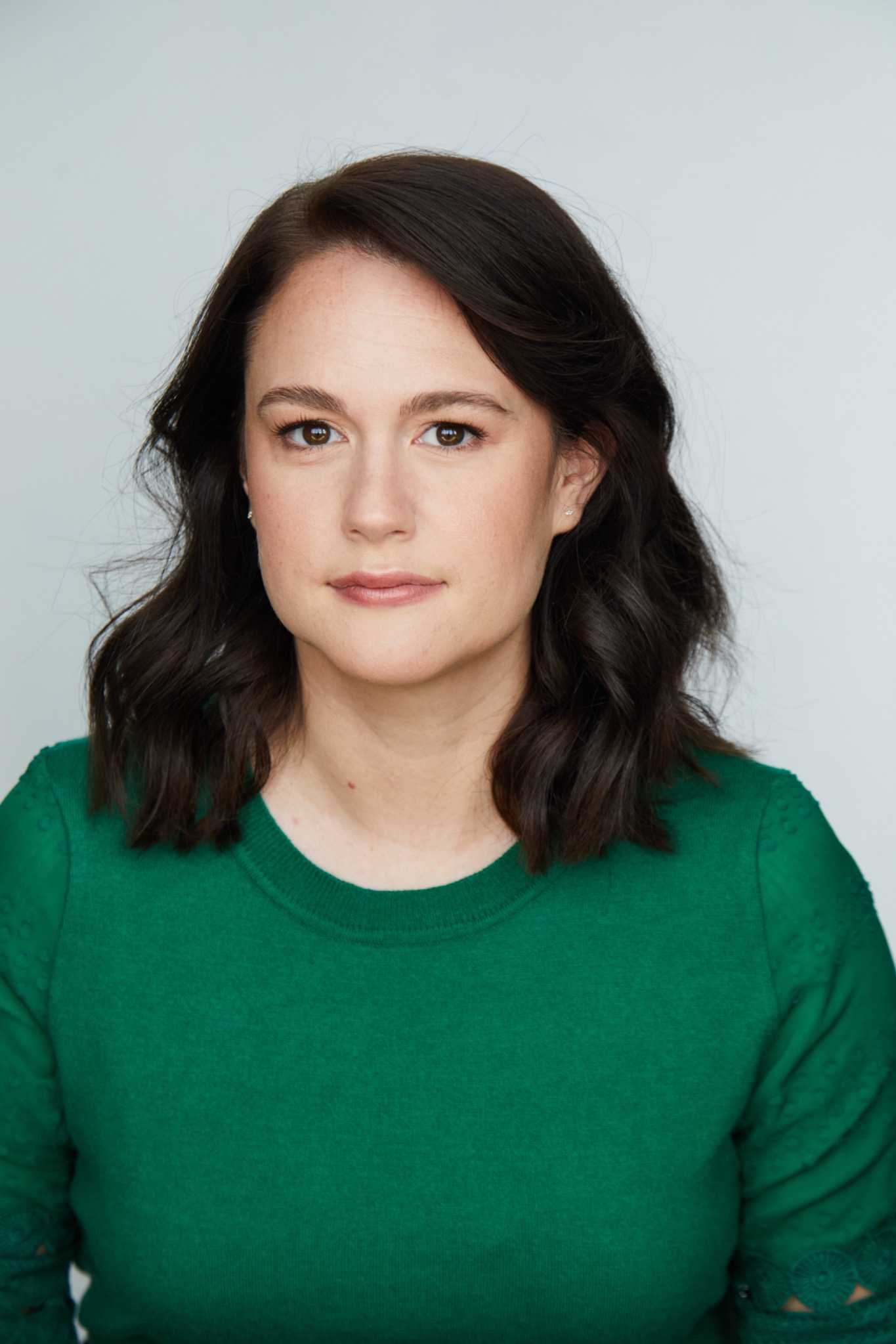
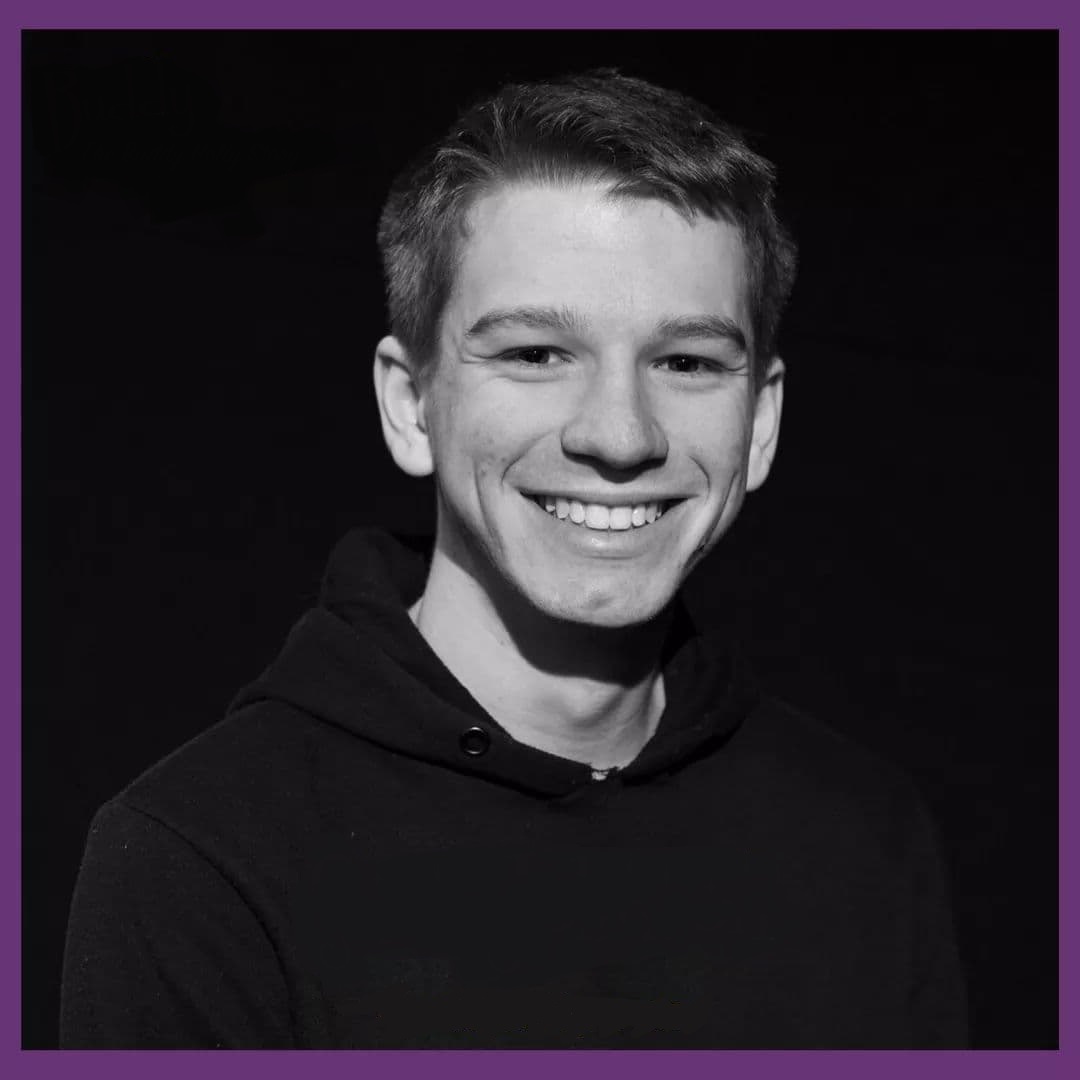
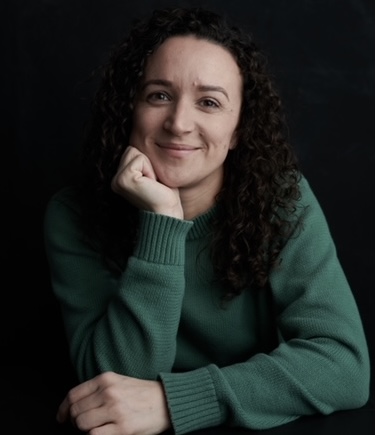

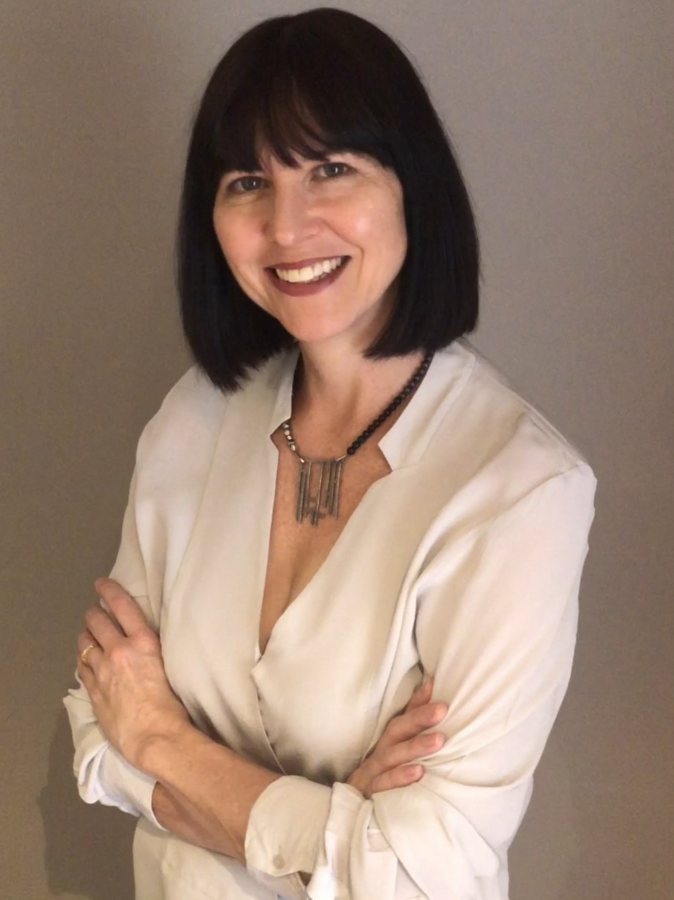
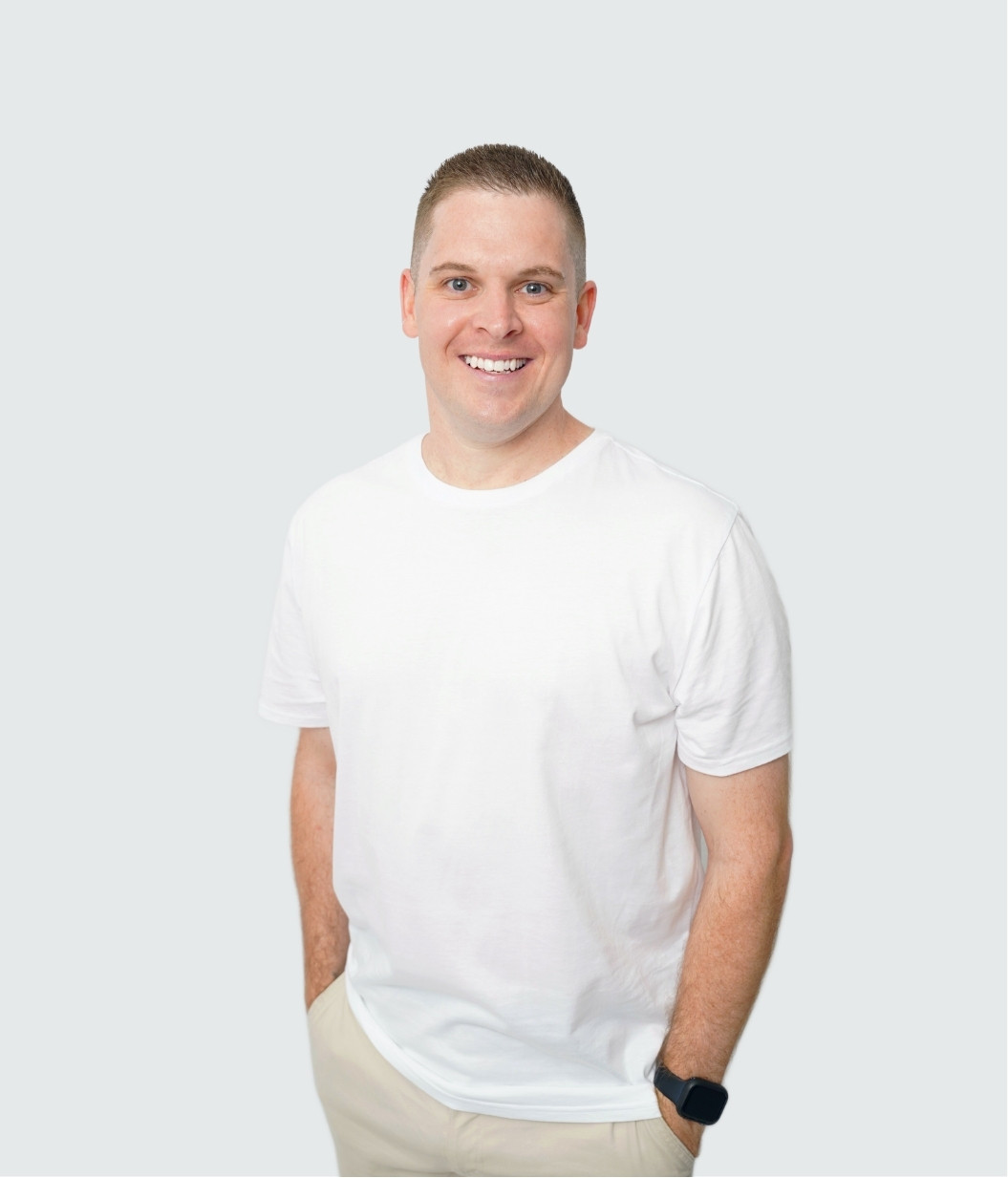

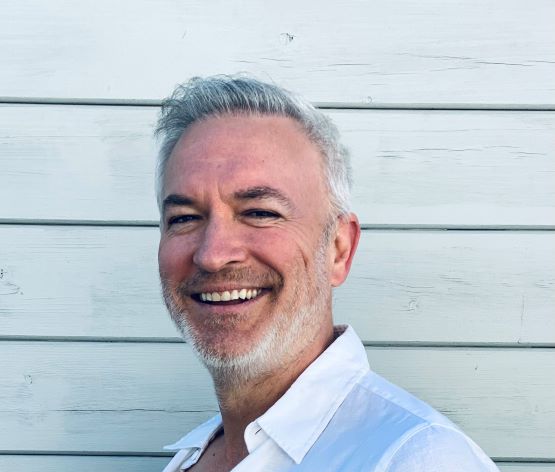
Voices who record this kind of work. Names are first names only until you book.
All Australian voicesOne Australian working day
Post at nine. Signed off by five.
A typical thirty second script, in Sydney time. Nothing here is rushed: this is the normal pace when the voice records at home and the money is already in the system.
-
9:00 am
You post the script
A free casting takes about ninety seconds to write. Say the deadline, where it airs and who is talking.
-
10:30 am
First auditions land
Voices read your actual words in their own studio. They arrive as you get them, not in one batch at the end.
-
1:00 pm
You pick a voice
Play them to whoever has to sign off. The price is already set by the rate card, so approval is about the read, not a quote.
-
4:30 pm
Finished files
Broadcast-standard audio on the job page, dry and clean, ready for the edit or the station.
Sydney, Melbourne, Brisbane, Adelaide, Perth and Darwin are all inside the same working day here, and voices in other time zones pick up the overnight jobs. A script posted after knock-off is usually read before breakfast.
Accents
Ask for the accent your audience has.
"Australian" is six or seven different sounds, and picking the wrong one is the fastest way to sound like an outsider talking to Australians.
Broad
The one the rest of the world thinks we all have. Great for retail, tradie and character work.
General
What most Australians actually sound like, and what most corporate and e-learning scripts want.
Cultivated
Closer to received English. Heard on formal documentary, finance and government work.
New Zealand
Separate accent, separate audience, and no, Australians cannot fake it convincingly.
Multicultural
Australian-raised voices with Greek, Lebanese, Vietnamese, Mandarin and Hindi heritage, among many others.
First Nations
Indigenous Australian voices for community, government and education work.
What you get
A studio, a voice, and your afternoon back.
Their studio, not a hire fee
Every voice on the roster records in a professionally treated room of their own, so there is no studio booking, no travel and no hourly engineer on the clock. It is in the rate.
Working to your clock
Post in the morning and auditions land while you are still on emails. Voices here work across every Australian time zone and plenty more, so a tight day is still a normal day.
Ready for air or for edit
Files arrive dry and clean by default, exactly as a station or an editor wants them. Want them cut, levelled and laid under music instead? Add production and they come back finished.
How hiring works here
Three steps, no middleman.
You deal with the voice, the site holds the money, and the price is the one on the rate card before you start.
Post a casting, or pick a voice
Paste a few lines of your script and post a free casting; voices who suit it read those lines back to you. Already heard the one you want? Book them straight from their profile.
Choose from real reads
Auditions arrive as recordings of your words in their voice, usually within hours. Pick the one that fits, or none of them. Nothing is owed until you book.
Pay once, files arrive
The price comes off the published rate card, paid to the site before recording. Most jobs come back within 24 to 48 hours, covered by the satisfaction guarantee.
Rates are published on the rate card in US dollars and cover the recording, the studio and the usage you pick.
In more depth
Recording in Australia, the practical bits.
Recording for an Australian audience
Australian ears are unforgiving about accent. A campaign voiced in generic American, or in an Australian accent pushed too broad by someone performing the idea of Australia, gets spotted in the first sentence and quietly costs you the trust the rest of the script was meant to build. The fix is not complicated: cast someone who actually lives here, and be specific about which Australia you mean.
Radio and television commercials, corporate video, e-learning, phone systems, museum audio and government information all sit on different points of that scale. Retail radio usually wants energy and a broader sound. Financial services and health want general Australian, clear and unhurried. Anything aimed at multicultural Sydney or Melbourne may want a voice whose accent carries a second heritage, and those voices are on the roster too.
What "recording services" covers here
Every voice on the roster records in their own professionally treated studio, which changes the shape of the job. There is no studio to book, no travel, no engineer on an hourly clock, and no scheduling three diaries into the same afternoon. You post the script, the voice records it where they always record, and the files arrive on the job page. For most work that is the whole service, and it is why a thirty second spot booked before lunch is usually finished before the end of the day.
When you want to be in the room, you still can be: a directed session puts you on a call while the voice records, giving notes between takes, and it is an hourly line on the rate card. Australian agencies use this most for campaign work where a client sits in on the read; corporate clients almost never need it.
Broadcast, licensing and what you are buying
Australian broadcast work carries a licence as well as a recording fee, and both are published before you post. Commercials for radio, television and online run on a twelve month licence from the date of record, renewable at the published rate if the campaign keeps running. Non-broadcast work, which is most corporate video, training and phone recording, is a buyout in perpetuity, so you record it once and use it for as long as it is useful.
Say where the audio will air when you post the casting. A national television campaign, a single-state radio buy and an internal staff video are three different licences and three different prices, and choosing the right one at the start is what stops an invoice conversation later.
Turnaround across Australian time zones
The roster covers every Australian state and territory, which means a script posted in Perth at four in the afternoon is still inside the working day on the east coast, and a script posted in Sydney at five will often be read overnight by an Australian voice who works evenings. Auditions usually arrive within hours; most booked jobs are delivered inside twenty-four. When something genuinely has to be on air in the morning, say so in the casting, and only the voices who can hit it will read for it.
Files your station or editor will accept
Audio arrives dry and clean as standard, which is exactly what a radio station's production department or a video editor wants: no music, no processing, room to work. If you would rather have a finished piece, add production and the recording comes back edited, levelled, mixed under your music and timed to your picture. Phone systems are the exception worth naming early, because they want particular formats and named files, and saying which system you run saves a round of conversions.
Questions people ask
Australian recording, answered.
Can I hire an Australian voice over artist for radio or TV?
Yes, and it is one of the most common jobs here. Say in the casting where it will air and for how long, and the rate card prices the licence alongside the recording so there is no surprise invoice after the campaign starts.
How long does an Australian recording take?
Auditions usually arrive within hours of the casting going out, and most finished jobs land inside twenty-four hours of being booked. A thirty second radio spot is often back the same afternoon.
Do the voice actors have their own studios?
Every one of them. Broadcast-quality home studios are the standard here, screened before a voice is listed, so you are not paying for a room in Alexandria or South Melbourne on top of the read.
Can I direct the session from my office?
Yes. Book a directed session and you are on a call while the voice records, giving notes take by take. It is an hourly line on the rate card, and most sessions are done inside the hour.
What about accents from outside the cities?
The roster covers broad, general and cultivated Australian, plus New Zealand and a long list of migrant accents heard every day in this country. Ask for the one your audience actually has.
Can you record in languages other than English?
Yes, in more than eighty of them, read by native speakers. For multicultural campaigns and community announcements, say the language and the market and the casting goes to voices who live in it.
Your script, in an Australian voice.
Post it free, hear the reads, and book the voice that sounds like it belongs in the ad.
Nearby: Australian voice over artists, Australian voice talent and hiring an Australian voice.