

 1.866.572.1107
  20.3991.3890
  1.800.846.451
Cheap voice over talent
A small budget. A professional voice.
Cheap voice over talent usually means a gamble: an untested voice, a noisy room, a file you can't use. Here it means working professionals on one published rate card, free auditions of your own script, and a budget lane for short reads when you don't mind exactly who records them.
- Free auditions of your script
- Published rates, no haggling
- Short reads at a set low price
On the prompterTake 1
BUDGET · BRIEF · BOOKED
Published ratesFree auditionsPro home studios
Working voices
Press play, then check the price.
Voice actors from the roster, all working to the same published rates. Play a few and see if any of them sound like a bargain.






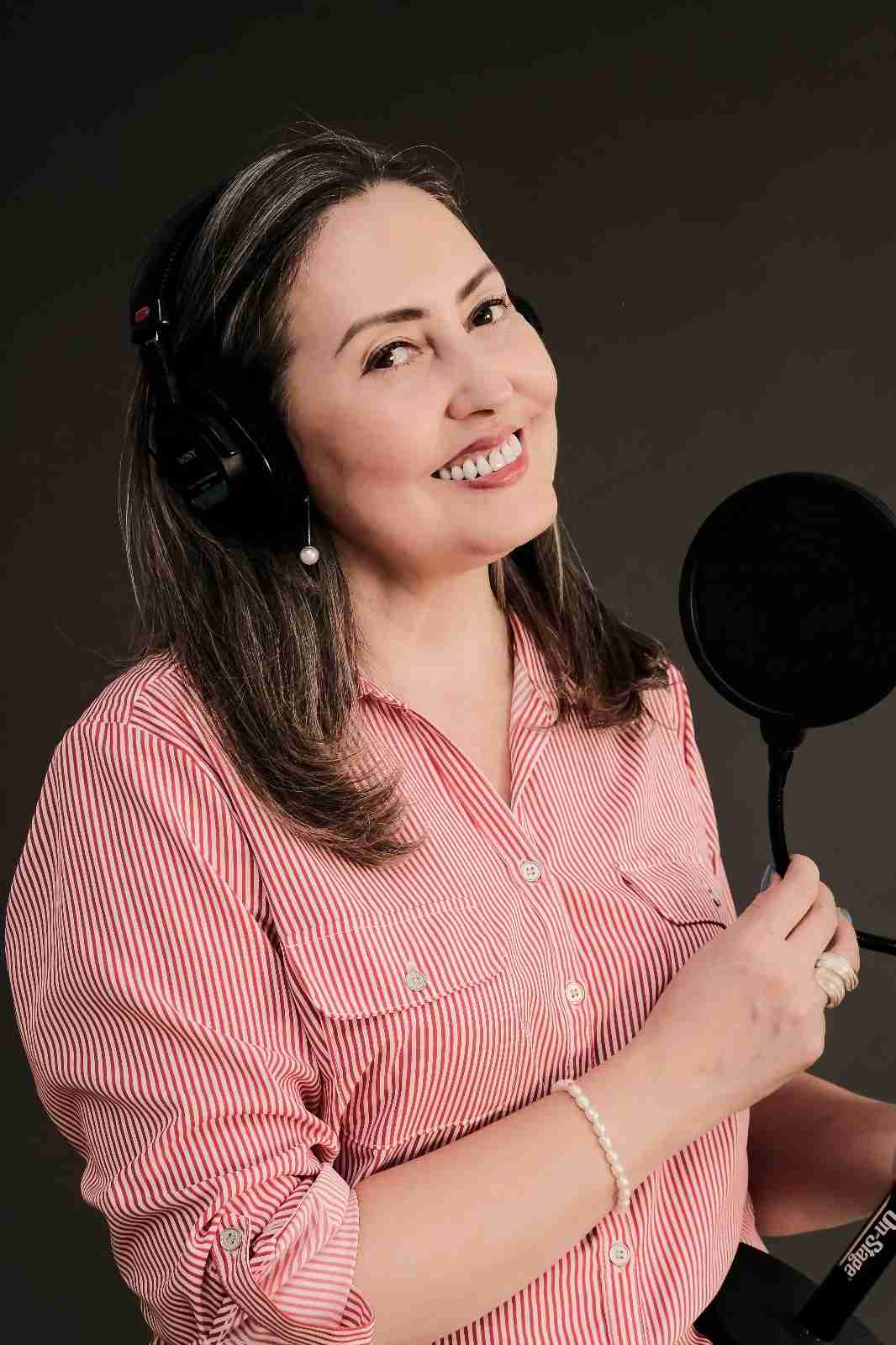

Voices who record this kind of work. Names are first names only until you book.
Hear more voices on the same ratesSpending less, sensibly
Five ways to pay less for the same voice.
None of these involve a worse voice. They're the same tricks regular clients use to keep their audio budget small, priced straight from the rate card.
-
1
Don't mind exactly who reads it?
QUICKcast is the budget lane for short scripts used online or inside a business. Upload the script, say how it should sound, and choose from a handful of professional voices who fit. You skip the casting and keep the quality.
- Up to 30 seconds$55
- 30 to 60 seconds$85
-
2
Let voices audition for free.
Post your script as a casting and voices who match it record a sample of your actual words. Hearing it first is the cheapest insurance there is, because nothing is charged until you book.
- Posting a castingFree
-
3
Trim the script, not the voice.
Most work is priced by word count in bands. If your script sits just over a band, cutting a sentence or two drops it into the one below, and it usually reads better shorter anyway.
- Explainer video from$60
- E-learning from$70
-
4
Record every version in one job.
Greetings, menus and holiday messages, or every module of a course: booked together and priced on the total word count, one job costs less than several small ones.
- Phone and on hold from$80
- Corporate video from$70
-
5
Get the brief right first time.
Say who it's for, how it should feel and how to pronounce any names. A clear brief means the first take is the keeper, and nobody spends a second round fixing what a sentence could have prevented.
Costs you skip
The money that never lands on your bill.
No paying to listen
Auditions are free. Voices who fit your brief record a sample of your actual script, and nothing is charged until you pick one and book.
No studio hire
Every voice records in their own treated studio, so there's no booth to rent and no engineer billing you by the hour.
No haggling
The rate is set by script length and where the audio will play, on a card anyone can read. Nobody bids, so the number doesn't creep up.
In more depth
Hiring on a budget, without regrets.
Most people searching for cheap voice over talent aren't trying to cut corners. They've got a real project, a fixed budget and a worry that spending less means getting something they can't use. That worry is fair. A bad voice over costs you twice: once for the recording, and again when you have to replace it.
Where cheap usually goes wrong
The cheapest recordings tend to fail for the same three reasons, and none of them is the voice itself. The room is the first. A spare bedroom with bare walls and a laptop fan sounds fine in headphones and terrible on a phone speaker. The second is direction: a voice who can't take a note turns a five-minute fix into a full re-record. The third is time. A file that arrives a week late is expensive however little you paid for it.
So when you're comparing prices, compare those three things too. Listen to a demo with the volume turned up and ask whether you can hear the room. Ask how changes are handled. Ask when the files arrive.
What you're actually paying for
A professional read isn't just a nice voice. It's someone who can hit a time without sounding rushed, keep the same tone from the first line to the last, say your brand name the way you say it, and deliver audio clean enough to drop straight into an edit. That's the part worth paying for. The parts that aren't worth paying for are the ones in between: agency margins, studio hire and the back and forth of negotiating a fee.
Here, those middle costs are gone. Voices record in their own treated studios, the rate is set on a public card by script length and where the audio will play, and you book the voice directly. That's how the price stays low without the standard dropping.
When the cheapest option is the right one
For a short script that lives on your website, in a training module or on a social post, you don't always need to audition a dozen voices. If you know roughly what you want and you're happy for a professional who fits your brief to read it, a fixed-price QUICKcast is the most economical way to get there.
When the voice is the face of your brand, or the audio will air on TV or radio, spend the time instead. Post a free casting, hear several voices read your own words, and choose. It costs nothing to listen, and picking the right voice the first time is cheaper than picking twice.
Three questions to ask before you book
Can I hear my script read before I pay? Is the price fixed, or will it move once the voice has seen the script? And what happens if a word comes back wrong? If the answers are yes, fixed, and it gets fixed, you've found cheap voice over talent that won't cost you more later.
Questions people ask
Budget voice overs, answered.
Where can I find cheap voice over talent that still sounds professional?
Somewhere the voices are screened before you ever hear them. Every voice here was listened to by a person before being listed, records in a treated studio and works to a published rate, so the low price isn't coming from a low standard.
What's the cheapest way to get a voice over?
For a short script used online or inside a business, QUICKcast: you choose from a handful of professional voices who fit your brief at a fixed low price. For anything longer, or if you want to hear the read first, post a free casting and book the voice you like.
Can I use a budget voice over for a TV or radio ad?
QUICKcast is for web and internal use only. Broadcast ads are priced on the rate card by the market they air in, and you book them through a casting or straight from a voice's profile.
Are these real voice actors or AI voices?
Real people. Every audition and every booked recording is performed by a working voice actor in their own studio.
How fast will I get the recording?
Short scripts usually come back the same day or the next. Auditions on a casting often start arriving within hours of posting.
Do I need an account to see the prices?
No. The rate card is public, and every figure on this page is read straight from it, so what you see here is what you'll be quoted.
Hear it before you spend a cent.
Post your script as a free casting, listen to real reads of your own words, and only pay when you book.
Short phone recordings? Cheap voicemail greetings. Want every number? The full rate card.