Blog
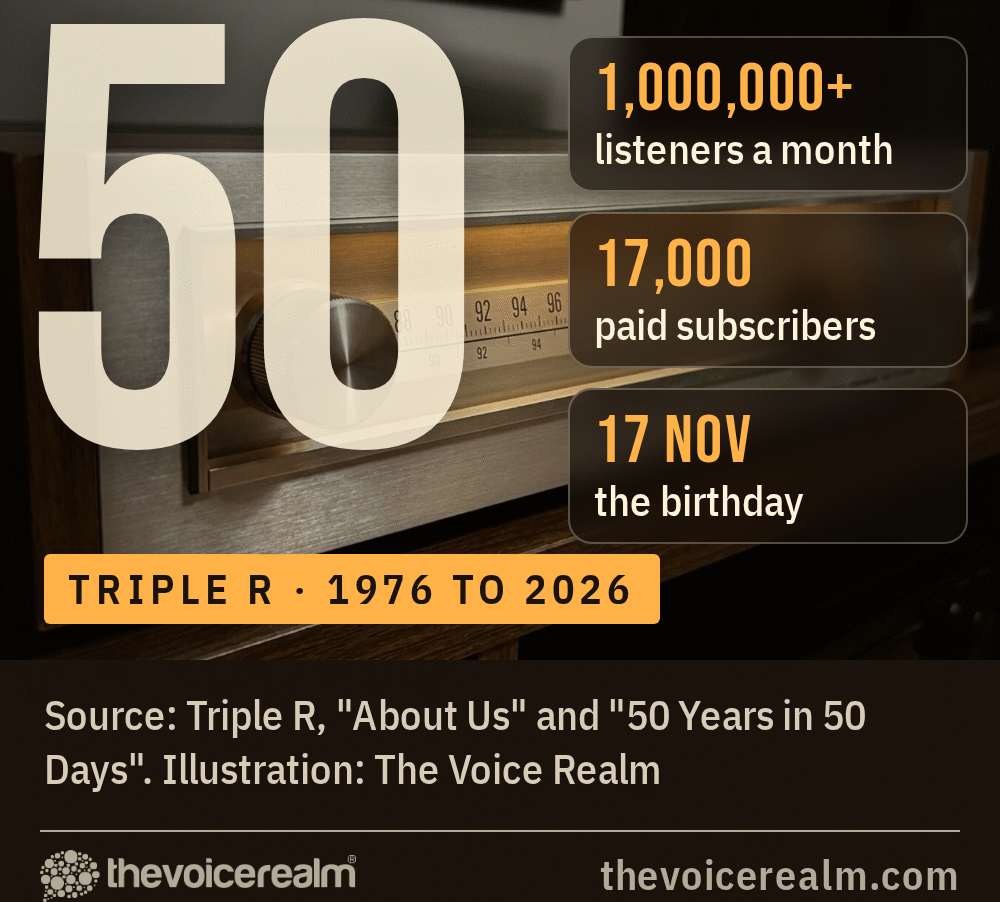
Triple R turns 50 on Tuesday 17 November. The Melbourne station has been counting down with a daily radio documentary, one year of its history every afternoon for fifty days, and next Thursday Fed Square throws it a free concert. For anyone who works with their voice in this country, it’s a birthday worth stopping for, because a station like this is where a lot of Australian voices first learned what to do when the red light comes on.
This piece is for voice over artists, and for people thinking about becoming one. Here’s our read on why community radio still matters to the craft, what a live shift teaches that a home booth never will, and how to turn a volunteer slot into paid work.
Fifty years of voices nobody paid
Triple R started out, in the station’s own words, “as an educational broadcaster in 1976”. It now calls itself “Australia’s most influential community radio station”, with more than 70 programs on its grid. The detail that matters for us sits further down its About page: apart from the breakfast show, the people presenting those programs are volunteers.
Beat put a number on that in August, in a piece made with the station for its Radiothon: “There are currently 695 volunteers giving up 46,000 hours of their time each year, curating shows, digging up new music and building genuine connections with listeners.” That’s a lot of people sitting in front of a microphone every week, reading, talking and thinking on their feet, without a producer in their ear or an edit button to save them.
The station puts it simply: “The voices heard on Triple R are as varied as its listeners.” Gardeners, doctors, punk fans, jazz obsessives, people who know everything about one suburb. None of them were hired for a broadcast voice. Most of them sound like themselves, and that’s exactly the point.
Fed Square’s director and CEO, Katrina Sedgwick, told Melbourning the station has “helped shape Melbourne’s cultural identity”. We’d add one thing. It has also helped shape how Melbourne sounds on air: relaxed, local, a bit dry, never announcer-ish.
© The Voice Realm
The best unpaid voice school in the country
Ask working voice over artists how they started and plenty will mention a community station somewhere: a uni station, a regional town’s local frequency, a late-night slot on a suburban broadcaster that maybe forty people heard. Triple R is the famous one, but there are community stations from Darwin to Hobart, and every one of them is a training room with a transmitter attached.
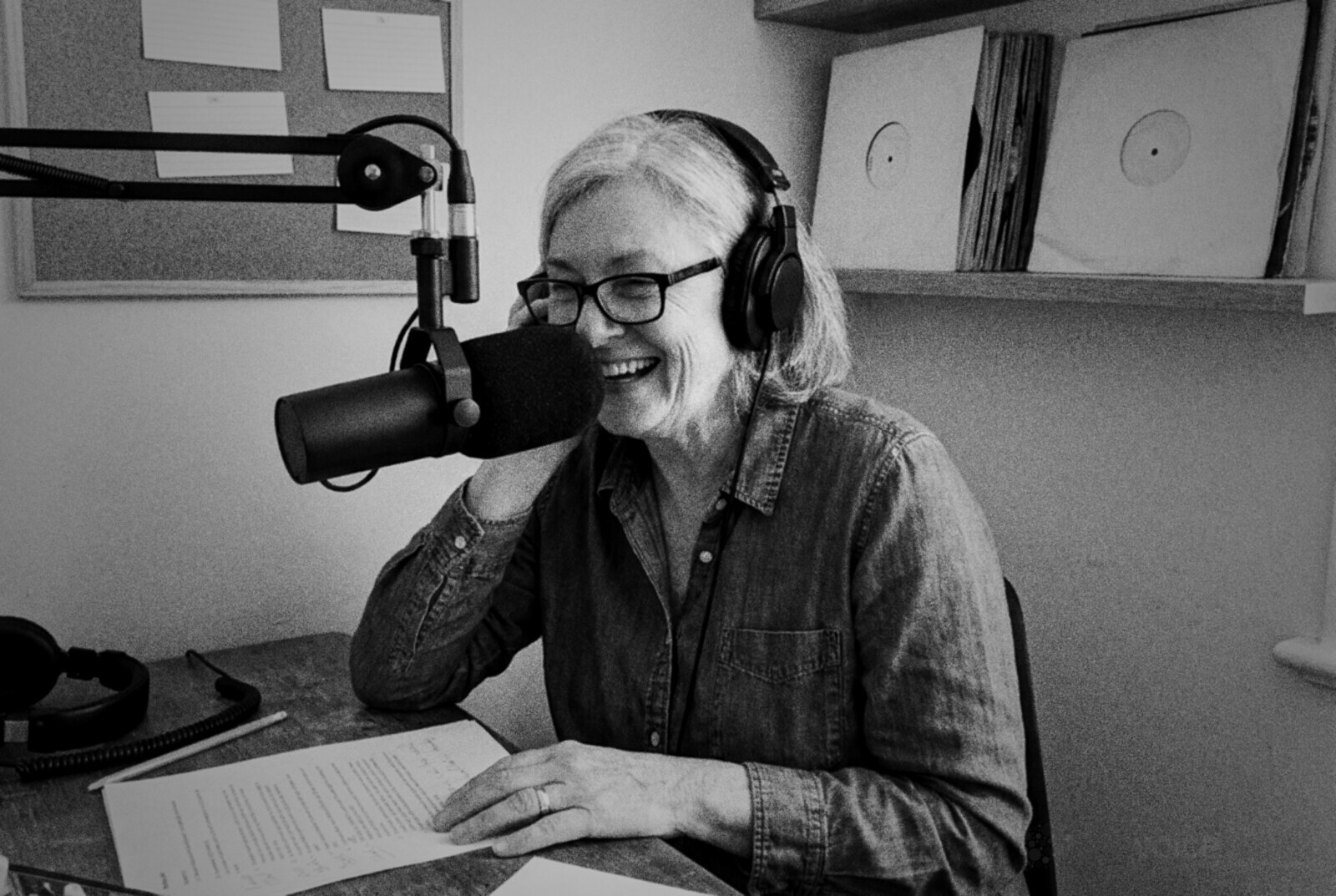
What makes it so useful is that nothing is pretend. In a voice class you read a script, stop, get a note and go again. On air you read it once, live, and then the next song starts whether you liked your read or not. That pressure is the thing that turns someone who has a nice voice into someone who can deliver.
- Reading cold. Sponsor credits, community notices and gig guides land in front of you minutes before you read them. That’s the same skill a client tests when they send a script and want an audition back today.
- Hitting a time. The news comes in at the top of the hour. You learn to land a sentence on a post without rushing the last word.
- Sounding like a person. Talking to one listener in a kitchen, not a crowd, is the conversational read nearly every brief asks for now.
- Fixing it live. You trip on a word, recover in half a second and carry on. Clients notice the recovery more than the stumble.
We’ve written before about getting a script right on the first look, and community radio is basically a weekly workout for that muscle. The difference is that the station also gives you an audience, a schedule and a reason to turn up when you’d rather not.
© The Voice Realm
What a sponsor read teaches you about copy
Community stations don’t run ads in the commercial sense. They read sponsorship announcements, and those come with rules of their own. The copy is short, it has to sound like the station rather than a hard sell, and it often arrives as a few lines typed by the sponsor themselves, with all the clumsiness that comes with that.
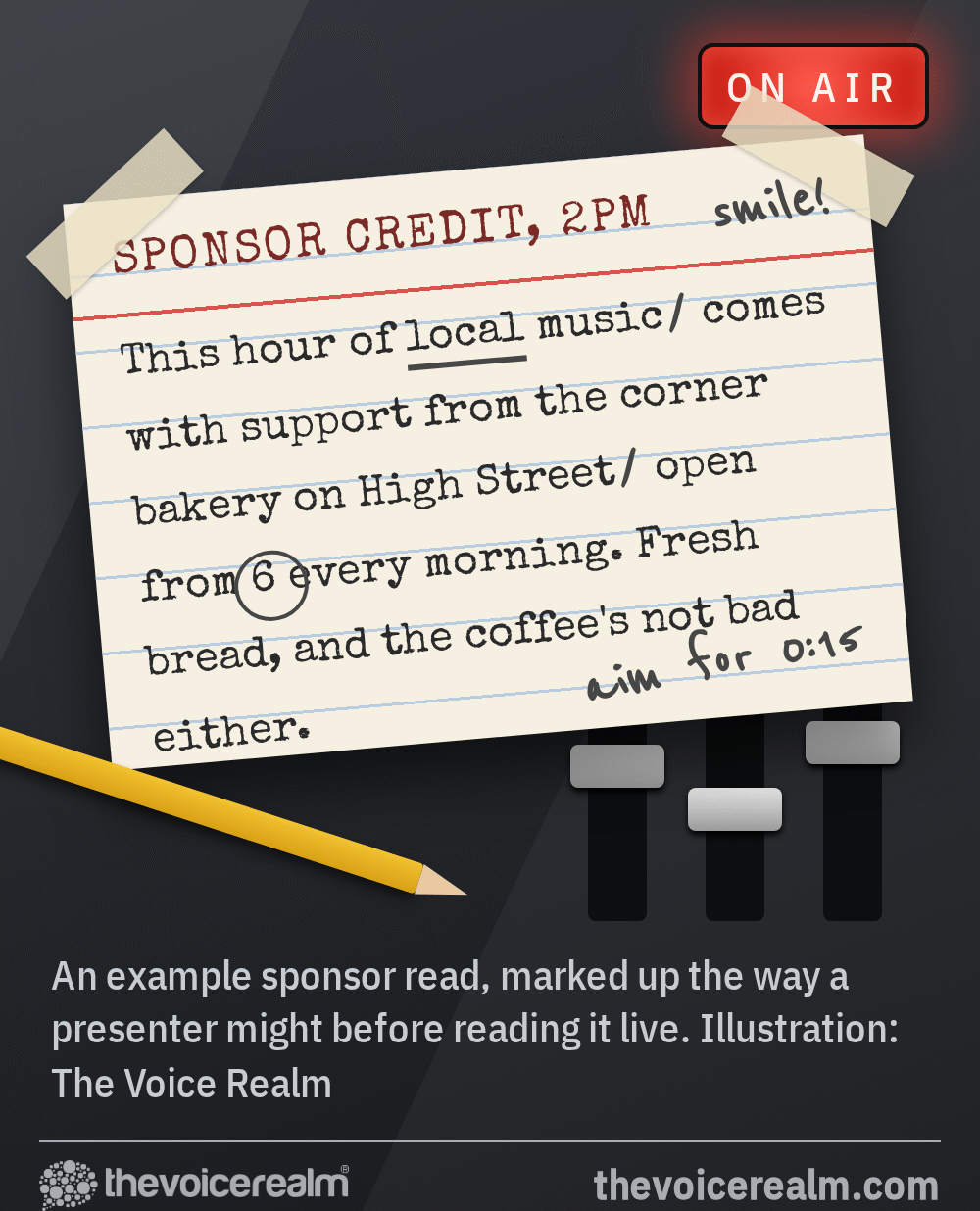
That’s brilliant practice. Real client scripts are often written by someone who has never heard them read aloud. You learn where to breathe when the writer forgot to give you a full stop, which word the whole line hangs on, and how to make an awkward phone number sound friendly. A good presenter marks the page before the mic opens. A great one does it in under a minute.
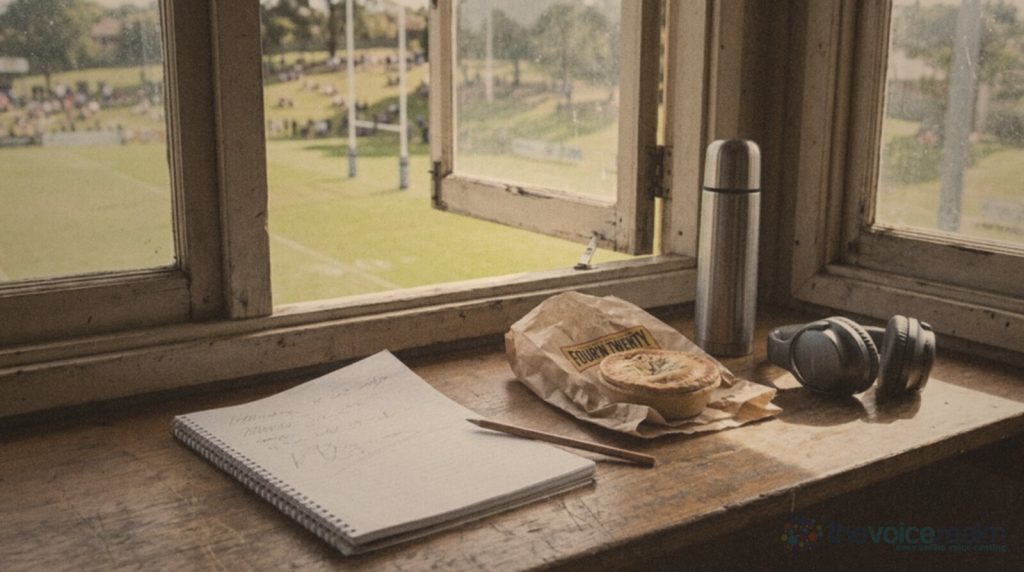
Here’s what that looks like on a typical card, with the pencil marks a presenter might add before reading it live.
© The Voice Realm
Why brands keep asking for this sound
For years the job was a big, polished announcer voice. That still exists, but most briefs we see from Australian clients now ask for something closer to a community radio presenter: warm, real, slightly understated, a voice you’d trust if it told you about a café down the road. Breakfast radio has gone the same way, as we noted when Melbourne breakfast radio went local again last month.
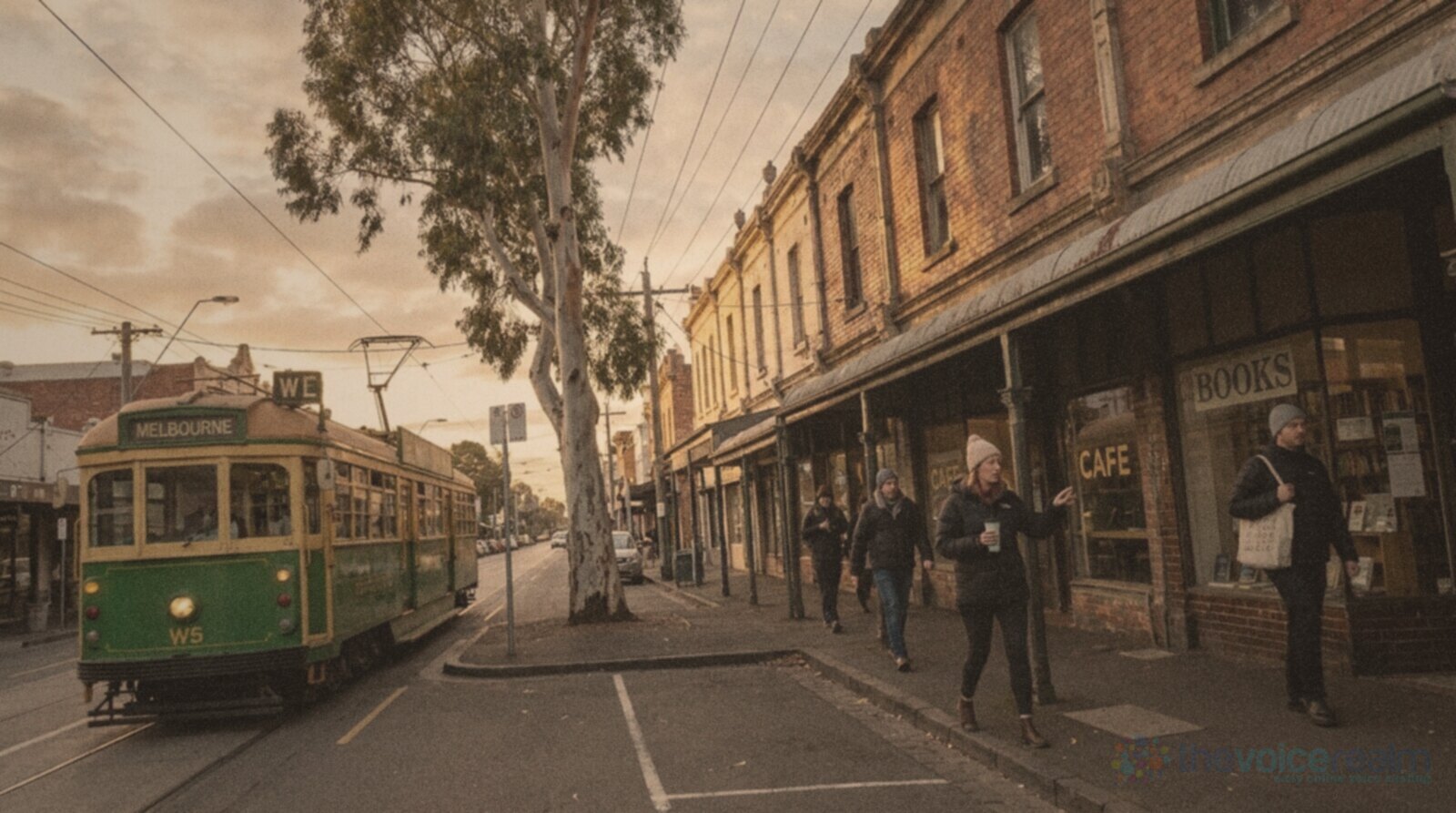
Local matters too. A Fitzroy bookshop, a Geelong football club or a brewery in Collingwood usually wants a voice that sounds like it lives within a tram ride of the place. That’s why a lot of clients start with voice over talent in Melbourne rather than a generic national read. The accent is part of it, but so is the attitude: Melbourne audiences can hear a voice that’s trying too hard from a long way off.
 VoiceEditSuiteSave the take. Lose the noise.Studio Rescue strips hiss, mains hum, fan wash and room noise out of a recording and leaves your voice untouched, with the noise floor measured before and after.See how it worksYour recordings are never used to train AI.
Community radio voices have that ease almost by accident. They’ve spent years talking to listeners who chose an independent station precisely because it didn’t sound like everything else.
It’s not only a Melbourne thing, either. In regional towns the community station is often the only local voice on the dial, and its presenters end up reading the footy results, the council notices and the bakery’s Christmas hours in the same hour. Those are the voices that regional businesses tend to trust most, and plenty of them have never thought of themselves as voice over artists. They should. A town that knows your voice from Saturday mornings is a town that will believe you when you tell them about the new hardware store.

© The Voice Realm
From a weekly show to a podcast feed
The other change is where those shows end up. Community radio programs have been sitting in podcast feeds for years now, and the line between a weekly talks show and a podcast has more or less gone. That has made community broadcasters some of the most experienced podcast hosts in the country without anyone quite noticing.
For a voice over artist, that’s a second door. Podcast producers need hosts, ad reads, intros and outros, and they’re used to the relaxed, unscripted delivery community radio trains. If you’ve spent a few years presenting a show, you already know how to fill a podcast intro without sounding like you’re reading one. Producers looking for podcast voice over artists often want precisely that: a host who sounds like they’d be good company for forty minutes.
It also changes your archive. A show that used to vanish into the air now sits online, which means your best ten minutes can become a clip on your website or the opening of a demo.
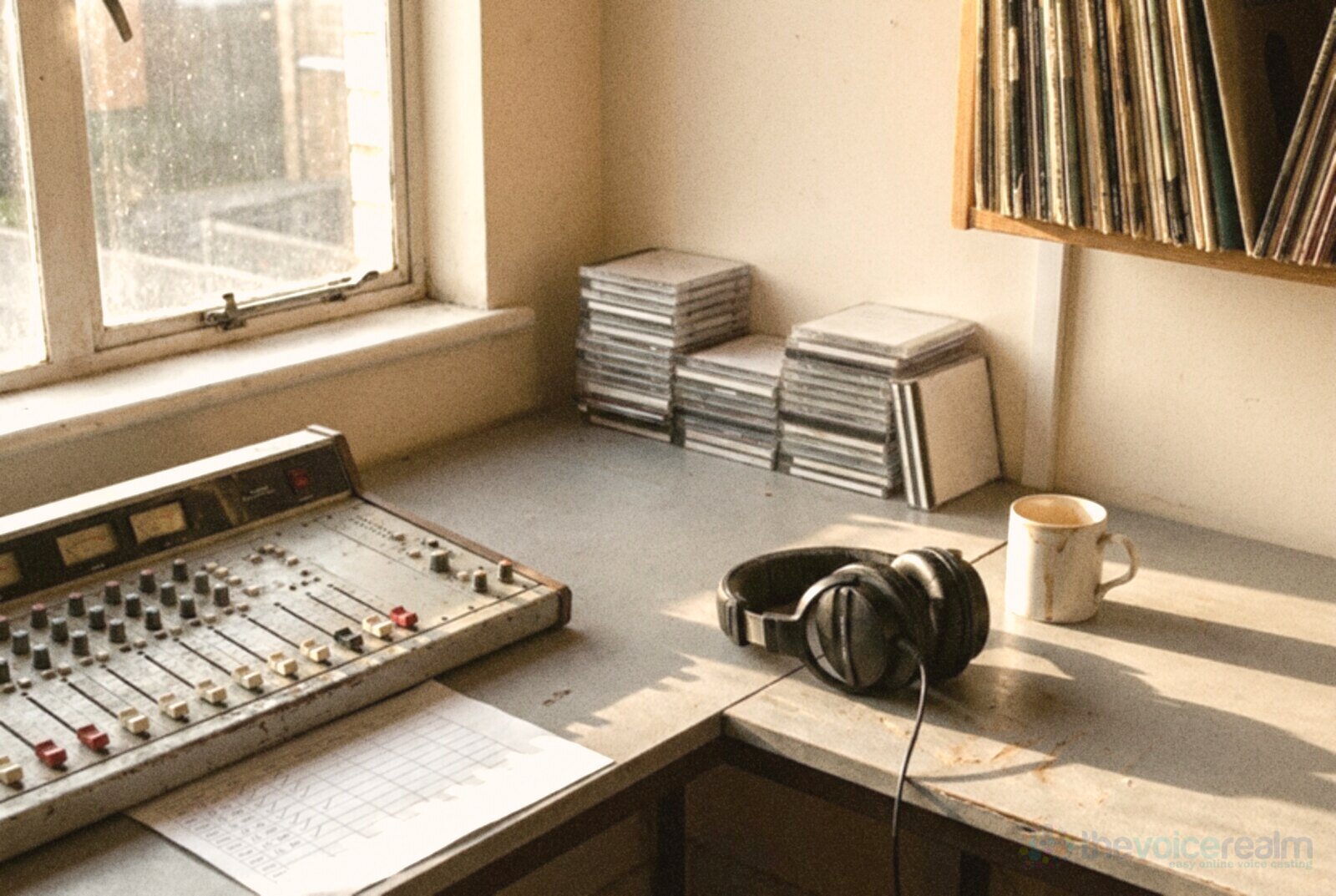
© The Voice Realm
Getting from the studio to paid work
Volunteering is not a career on its own, and nobody should pretend it is. But used well, it’s the cheapest training and the best proof of experience you’ll find. Here’s how we’d go about it.
- Find your local station and go to the open day. Most community stations run regular induction and studio training. Turn up, do the course, and be the volunteer who says yes to the 2am Sunday slot. That’s where you learn without anyone listening too closely.
- Volunteer for the reads nobody wants. Sponsor credits, station IDs, community announcements, the weather. They’re short, they’re repeated, and they’re exactly the kind of copy paying clients send.
- Record everything. Keep an aircheck of every shift. Once a month, listen back to one and note three things: a breath in the wrong place, a word you rushed, a moment that sounded properly natural.
- Build a home setup alongside it. Radio studios are forgiving rooms. Paid voice over work mostly happens from your own booth, so get a quiet space sorted early.
- Cut a demo from real reads. A couple of genuine on-air moments, plus fresh reads of commercial and narration copy recorded at home, make a demo that sounds lived in.
- Put yourself where clients look. When you’re ready, our guide to breaking into online voice over work walks through the move from local reads to auditioning for clients around the country.
For the people who book voices, a quick note: when a demo mentions community radio, don’t skip past it. It usually means someone who can take direction quickly, read cold, hit a time and stay calm when the script changes ten minutes before the session.
Our take
It’s easy to talk about voice over as a home studio business now, all microphones and acoustic panels and fast turnarounds. That’s real, and it’s where most of the paid work happens. But the craft underneath it, sounding like a real person while reading words someone else wrote, still gets learned the old way, by doing it live in front of listeners and getting it slightly wrong, week after week, until you don’t.
Triple R has given a great many Melburnians that chance over fifty years, and community stations around the country do the same every day. If you’re starting out, go and knock on the door of one. If you’re already working, think about who taught you to talk to one listener at a time, and maybe subscribe to the station that gave them a microphone. Happy birthday, Triple R. Here’s to the next fifty years of voices that sound like the people next door.
Sources: “About Us”, Triple R; “50 Years in 50 Days”, Triple R; “Triple R kicks off Radiothon 2026 with a huge 50th birthday bash”, Beat (made in partnership with Triple R); “Courtney Barnett to lead a free concert at Fed Square to celebrate Triple R’s 50th anniversary”, Melbourning, 5 November 2026.
Ready to get booked?
See the jobs open right nowAbout Sarah Robbins
Sarah Robbins writes for The Voice Realm about finding voice over work, home studios, casting and the business side of voice acting.