Blog
Voice Over Studio
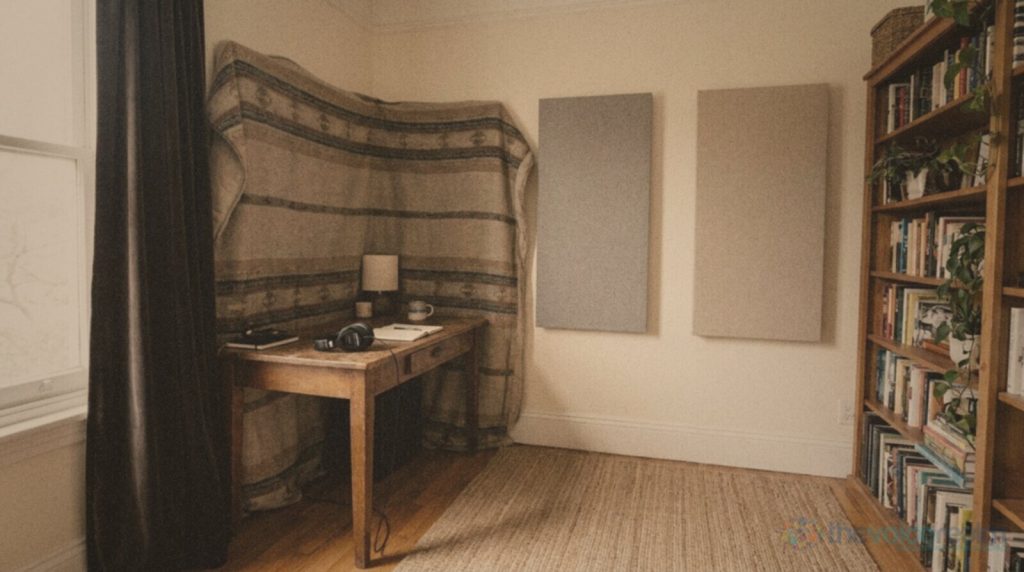
How to Treat a Room for Voice Over: Start Behind You
Why the wall behind you matters most, how sound bounces into the mic, and what a treated room looks like from free to fully kitted.
Mic technique that prevents edits, punch and roll, the five passes in order, and the loudness and noise numbers a client will measure.

Barks, efforts and branching dialogue, what the 2025 union deal changed for AI consent, and how to get through a session with your voice intact.
What e-learning narration really asks for, the 20 decibel standard every training file has to clear, and how to land your first course.
What the voice clinics actually say about hydration, humidity, warm-ups and vocal naps, plus the two-week rule every working voice actor should know.
Why briefs like warm, natural and conversational leave actors guessing, and how to write direction that says who's listening and why.
Seven traits that separate working voice actors from hopefuls, from versatility and reliability to self-marketing, tech skills and real emotion.
Unconventional ways to build voice acting skills, from dubbing old video games and reading books aloud to playing D&D and messing with robocallers.
Gesturing and moving while you record can cut stress, boost energy and get you into character. Plus the mistakes to avoid, like clipping your mic.
A beginner's walkthrough for voice actors, from audition prep and demo reels to home studio basics, self-marketing, and handling your first bookings.