Blog
Voice acting
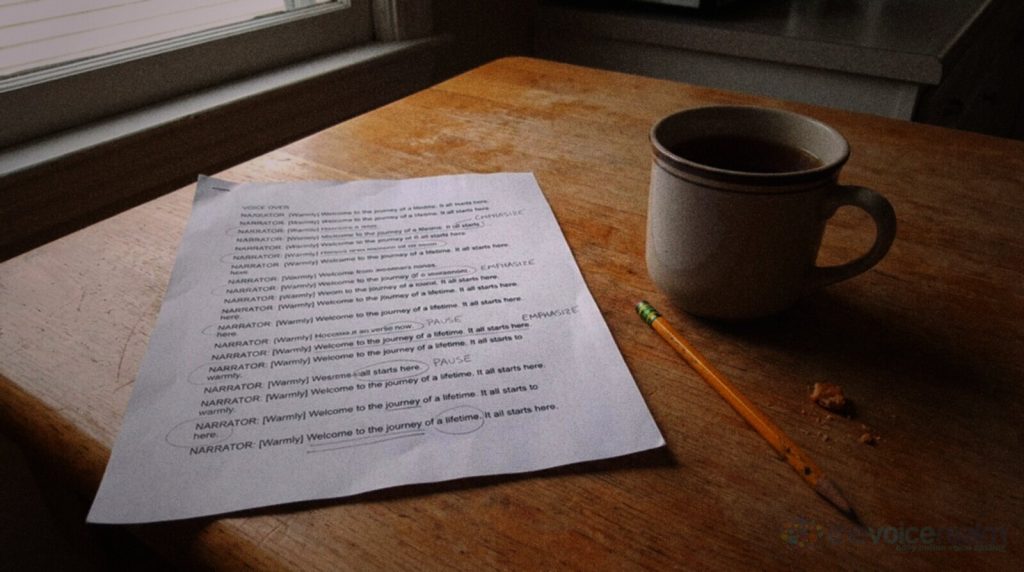
Why You Sound Like You’re Reading (and What to Do Instead)
Why scripts make us sound like we're reading, and what to try today: tell one person, speed read, rewrite it, stand up, record yourself.
Radiocentre's Audio Ad of the Year entries close on 14 October. What judges score, who reads the spot, and what UK voiceover artists should do.

Years, dates, phone numbers, web addresses and acronyms: how to decide how each one is said before you record, and what to ask the client.
Why closed-back headphones keep playback out of your microphone, what to check before you buy a pair, and how to protect your hearing in long sessions.
David Atwood went from a homemade site to a branded voice actor website in ten days. How it came together, told in his own words.
What to say at the start of an audition, when to skip it, how to match the energy of the read and how to keep the front of your file clean.
Why water never touches your vocal folds, why it takes hours to help, and how to plan a recording day so your voice feels easy by the afternoon.
What a plosive really is, where the gust of air goes, the pop screen gap that makes it work, why foam doesn't, and what can be fixed after the take.
Where your gain knob should sit, what the meter colours mean, why peaking at minus six beats chasing zero, and what to do with a take that clipped.
Shaky voice, dry mouth, racing heart? What audition nerves do to your sound, and the simple, research backed tricks that turn them into energy.