Blog
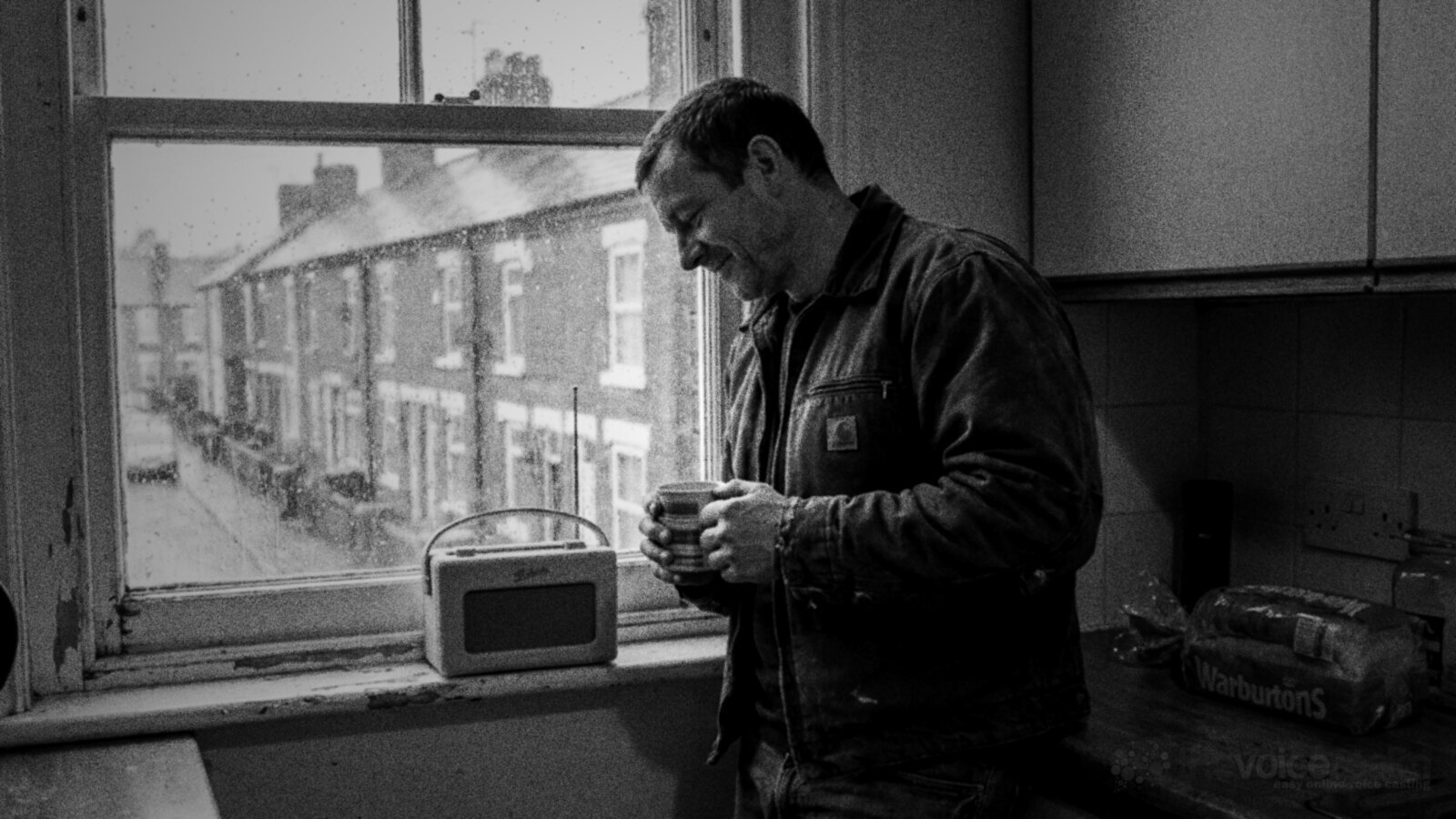
A news station of its own for Devon. A community newsroom in Coventry turning out bulletins, podcasts and short videos. A local news service for Oxfordshire with a journalist who actually lives there. Those are three of the first awards from the government’s Local News Fund, announced last week during Journalism Matters Week, and they’re a small but real piece of good news for anyone who earns a living from local audio. This piece is for British voiceover artists who want to know what the fund paid for, why more local news tends to mean more local voice work, and how to be the voice those stations call.
We’ll be honest about the limits first, because the fund isn’t a jobs scheme for voiceover artists. It’s money for journalism. But stations don’t run on journalism alone, and when a small station grows a newsroom, everything around that newsroom grows with it.
What the fund actually paid for
The Department for Culture, Media and Sport says fifty organisations across England and Wales will share the first round. Most of the grants went to local print and online outlets and to independent local TV and radio stations. Seven bigger awards went to organisations building tools the whole sector can use, from software developers to industry bodies. According to the government, the money is for “community outreach projects, digital tools, apps and new multimedia services that can help these organisations reach new and younger audiences while developing more sustainable sources of income.”
Media Minister Ian Murray didn’t hedge about why. “For decades our local media has remained among the most trusted sources of news,” he said. “I am determined not to leave local journalism to collapse.”
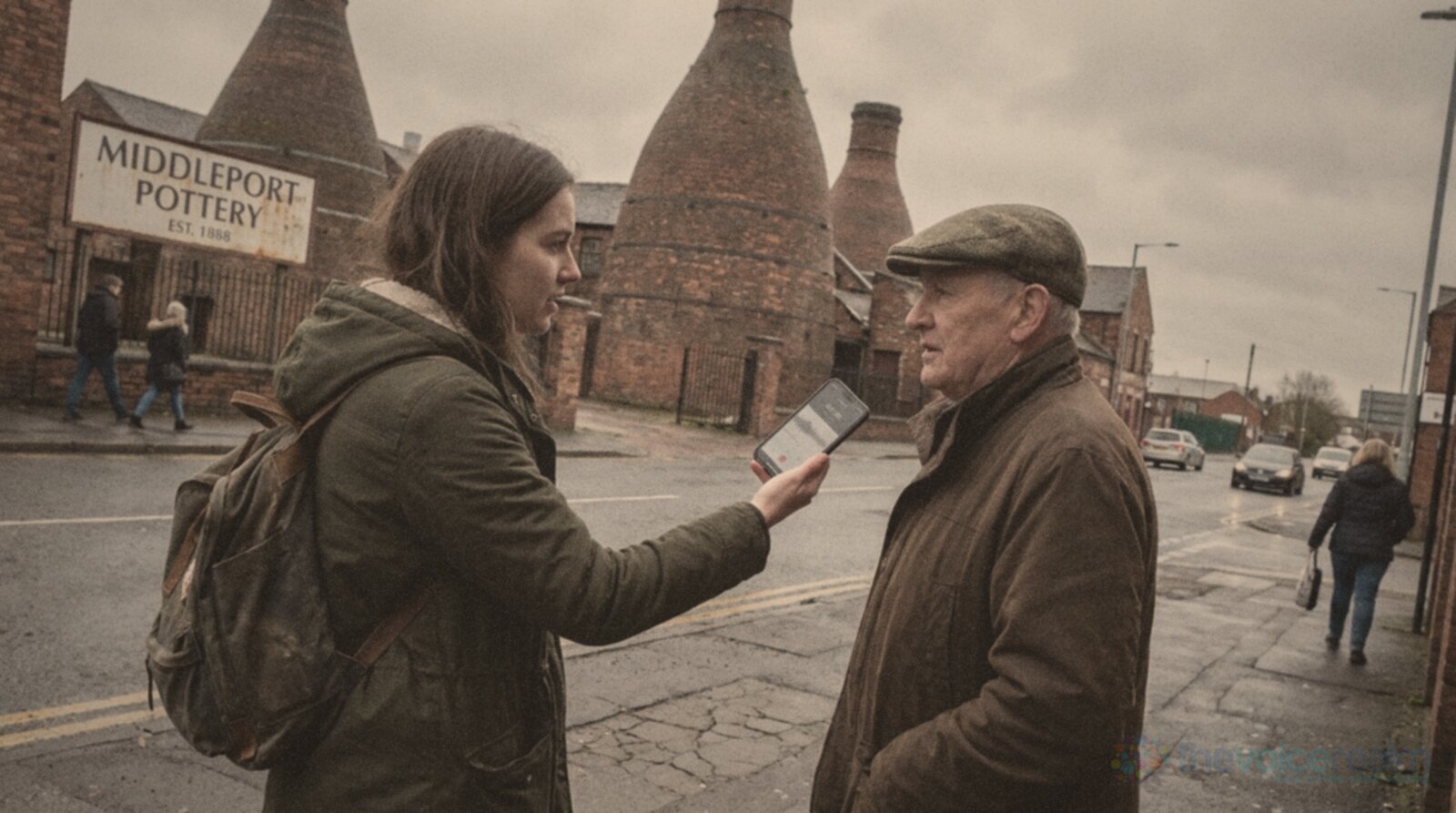
Polly Curtis, who co-chairs the fund’s steering board, put the problem in a line that anyone who has lived in a town without a paper will recognise: “There are too many news deserts in this country and this fund is starting to make a difference.” She also said there will be a second round in 2027.
Her fellow co-chair, Jeremy Clifford, was blunter about the demand. The steering board, he said, “had to turn down many worthwhile and quality bids.” Local news wants to grow. The money just hasn’t caught up yet.
© The Voice Realm
Six radio stations on the list
RadioToday picked out the radio stations among the winners, and their plans read like a to-do list for audio work:
Get Radio in Oxfordshire is building an independent local news service with a locally based journalist and a team working on the service and its commercial future.
Devoncast Radio, run by Exe Communicate, will launch a sister station dedicated to news, an always available news channel, with more digital content alongside it.
Cross Rhythms in Stoke-on-Trent is taking its local news service digital for Stoke-on-Trent and Newcastle-under-Lyme.
Vanny Radio in Coventry is setting up a multimedia community newsroom producing FM and digital bulletins, interviews, podcasts, short videos and online updates.
Rutland and Stamford Sound will take its news beyond live radio and build digital skills, and SOAR SOUND in Leicester is running a Local News Innovation Lab to help community media make news that’s more relevant and easier to reach.
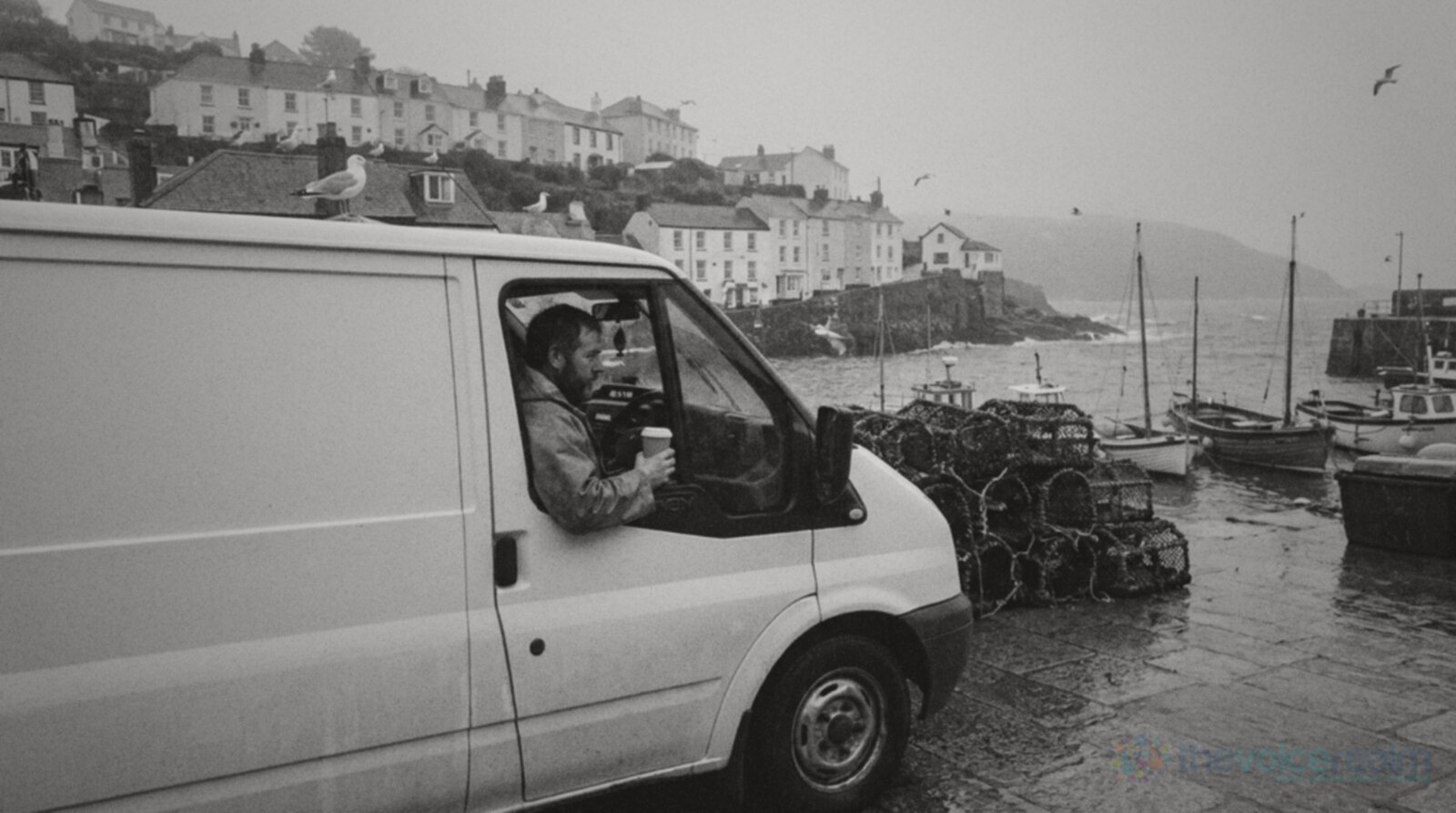
Local television is on the list too. That’s TV is building a single video portal for its sixteen local services, and Local TV Limited, which runs local news channels in cities including Birmingham, Liverpool, Leeds and Bristol, is among the recipients.
© The Voice Realm
More news means more of everything around the news
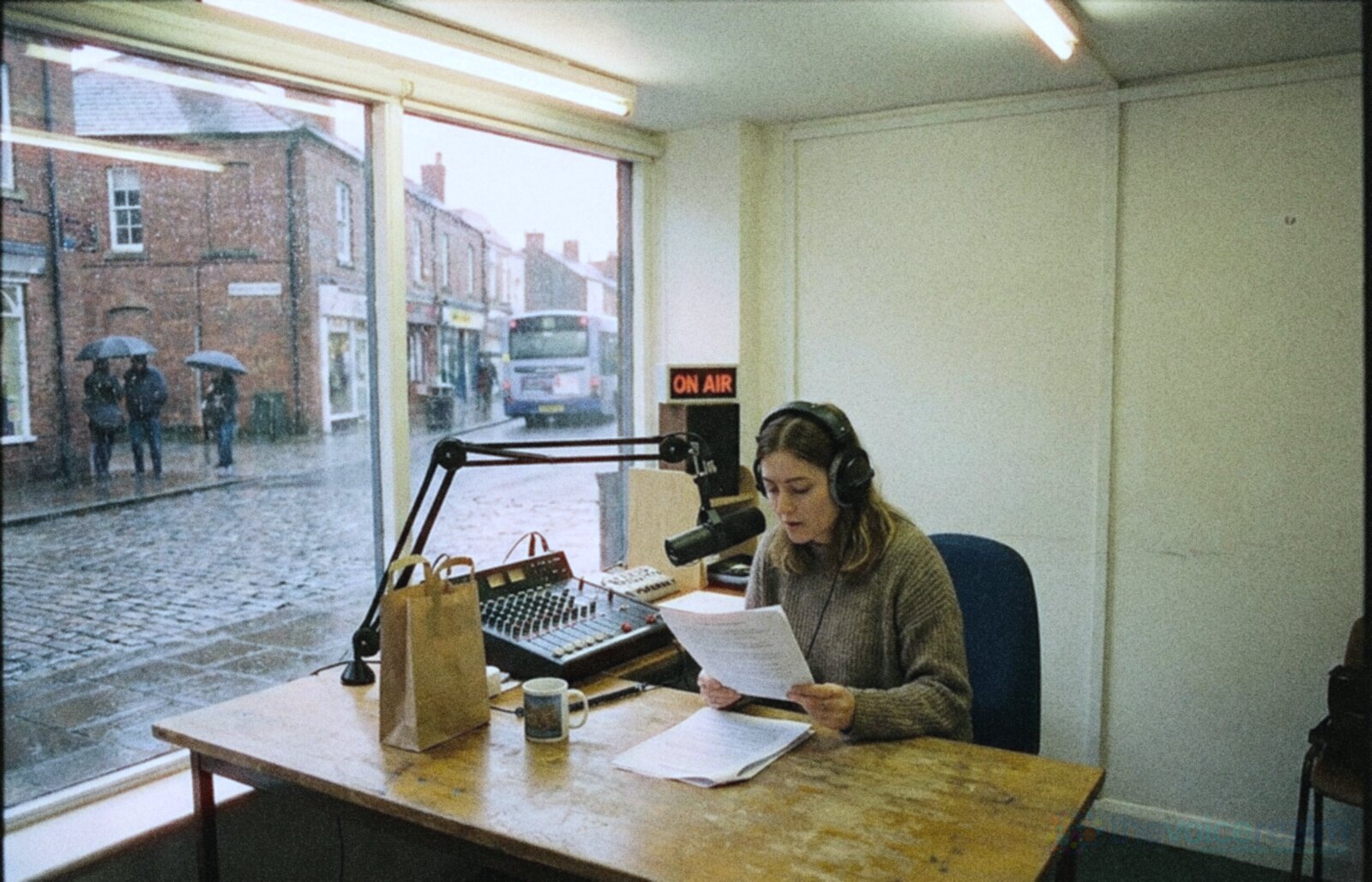
Here’s the bit that matters for our industry. A news bulletin doesn’t arrive on air on its own. It comes wrapped in a sting at the top of the hour, a sponsor credit for the travel or the weather, a station ident, a promo telling you the news is now on the hour every hour, and a trail for the podcast version. A brand new news station like the one Devoncast is planning needs every one of those from scratch. A newsroom like Vanny Radio’s, making podcasts and short videos as well as bulletins, needs intros, outros and voiceover for the video.
Most of that is imaging, and imaging is a craft of its own: short, punchy, confident, and recorded so it sits on top of music without fighting it. If you’ve never done it, start with our guide to making radio imaging that stands out, and then listen to your own local stations with fresh ears. You’ll hear a dozen voiced pieces an hour that aren’t ads and aren’t presenters.
Then there are the sponsor credits, which are the hidden engine of small station income. A local garage that sponsors the travel news wants five or eight seconds that say its name, its town and what it does, read so it sounds like a neighbour and not a car advert. Those short reads live or die on timing. Before you quote, time your sponsor credit against the slot it has to fit, because a tag that runs a second long either gets trimmed in the edit or sends you back into the booth.
Local news also leans on longer reads. Stations making podcasts and short documentaries about their own patch, a lost factory, a flood, a local football club’s best season, need a voice to carry them. That’s where narration for a local documentary comes in, and it’s work that rewards a warm, steady voice more than a big one.
© The Voice Realm
Why the right accent still counts
We wrote earlier this week about how British listeners hear regional accents, so we won’t repeat it here. But local news is the place where it matters most. A news station in Exeter that sounds like it’s broadcasting from a London tower block has already lost half the point of being local. A Coventry newsroom wants a voice Coventry trusts.
 VoiceEditSuiteAuto Clean Up now learns how you breathe.A 30-second setup teaches it your breath, and you can teach it any breath it misses.See how it worksLearns from numbers, never your audio. Never used to train AI.
That’s good news if you live outside London. Clients in the Midlands looking for a voice that sounds like their listeners can find voiceover artists in Birmingham and the West Midlands without having to settle for a generic read, and stations in Stoke, Coventry and Leicester are a short drive, or a quick remote session, away. The same goes for the South West, the North East and Wales: wherever a newsroom is growing, a local voice has an edge.

© The Voice Realm
Our take
Here’s our read. This fund is small next to the size of the problem it’s trying to fix. Fifty awards across two nations won’t refill every news desert, and the steering board said itself that good bids were turned away. Nobody should expect a flood of new voiceover bookings from it next month.
But it points in a direction we like. Only a few weeks ago the BBC said it was switching off Radio 4 Extra, and we wrote about what that closure costs audio actors. Big broadcasters are shrinking their audio. Small ones, if they can find the money, are trying to grow theirs, and the growth is local, digital and built on trust. Those are the stations that can’t afford a full time imaging voice but do need one, that can’t commission a big agency but do want a proper read, and that will remember who helped them sound professional in their first year.

© The Voice Realm
We’d also say this: a station that’s trying to become sustainable needs local advertisers, and local advertisers need local voices for their ads. The fund pays for the journalism. The ads that keep the station alive afterwards are where the regular work sits.
One caution. Community stations run on volunteers, and some will ask for a voice for free. That’s their call, and some artists like giving a few hours to a station they love. Just don’t let one favour become your rate card. A sponsor credit that earns the station money is a commercial read, and it’s fair to say so politely.
- Listen locally. Spend an hour on each station near you and write down every voiced piece that isn’t a presenter or an ad.
- Make a short imaging reel. Sixty seconds of stings, idents and news promos, cut tight, with music beds.
- Add a sponsor credit demo. Three tags of five to eight seconds each, for a garage, a café and a solicitor.
- Offer a news package. One session that covers the top of hour sting, the bulletin intro and the podcast trail, priced as a set.
- Write to the newsroom, not the switchboard. Name the new service, say where you live, and attach the reel.
What stations and clients should know
If you run one of the stations on the list, or one that’s applying in 2027, the cheapest way to make a new service sound established is a consistent voice across everything around the news. One voice on the sting, the sponsor tags and the podcast trail tells listeners it’s a proper service from the first day. Book it once, record it all in one session, and you’ll have a station sound that lasts the year.
Send the voice a proper brief, too. The slot length for every piece, a reference for the station sound, and above all a list of local place names with how they’re said. Oxfordshire has Bicester, which locals say as “Bister”. Leicester and Gloucester trip up readers from abroad every single day. A voice who gets your towns wrong on air sounds like a stranger, and a stranger is the one thing a local news service can’t afford to sound like. Five minutes on a pronunciation list saves a retake and, more to the point, saves face with the people you’re broadcasting to.
And if you’re a local business thinking about sponsoring the news on a station that’s just grown a newsroom, ask for a local voice. Your customers know what their own town sounds like.
Local news is having a slightly better week than it’s had in years. For voiceover artists who can sound like the place they live, that’s worth more than it looks.
Sources: GOV.UK, “Government backs local journalism with £6 million funding while careers campaign reaches thousands of youngsters”, 5 November 2026; RadioToday, “Local radio newsrooms share in £6m government fund”, 5 November 2026.
Ready to get booked?
See the jobs open right nowAbout Sarah Robbins
Sarah Robbins writes for The Voice Realm about finding voice over work, home studios, casting and the business side of voice acting.