Blog
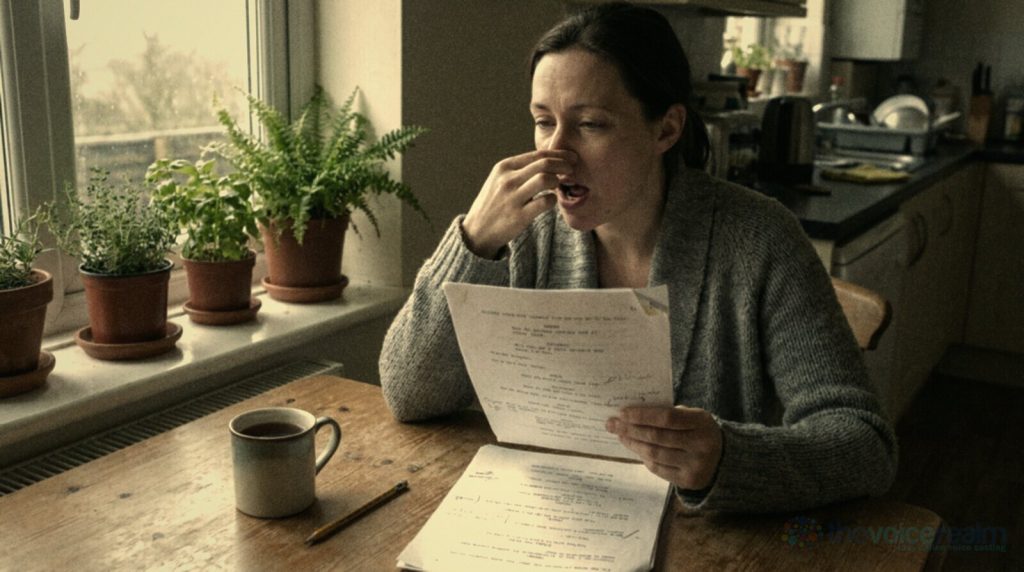
This one’s for anyone who wants to practise voice over and keeps getting stuck on the first question: practise on what? You’ve got a mic, maybe a little booth in the wardrobe, and no client sending you scripts yet. The good news is that you’re surrounded by copy, and a lot of the best of it is free. Here’s where to find practice scripts worth your time, and how to turn any of them into a session that actually makes you better.
The script you practise on shapes the actor you become
Reading the same favourite paragraph a hundred times feels productive. It isn’t, really. You learn that paragraph, not the skill. Paid work arrives as a cold page in a style you didn’t choose, written by someone who’s never heard your voice, and it’s due in two hours.
So the best practice copy is unfamiliar, so you’re reading it the way you’ll read a real audition. It also needs to be short enough to record, play back and record again in a single sitting, because the playback is where the learning happens.
That’s why the real work of finding practice scripts is less about one great source and more about keeping a steady supply of different kinds of writing within arm’s reach. Commercials, explainers, phone prompts, narration, characters. If you’ve only ever read one of those aloud, that’s the one to avoid this week.
- Something you’d never choose. If you love storytelling, find a spec sheet. The read you avoid is the one you need.
- Something with numbers in it. Prices, dates, phone numbers and web addresses trip up more auditions than hard words do.
- Something with names you can’t pronounce yet. Look them up before you read, the way you would on a paid job.
- Something under sixty words. Short copy lets you do five versions in ten minutes and hear the difference.
Start with the copy already in your kitchen
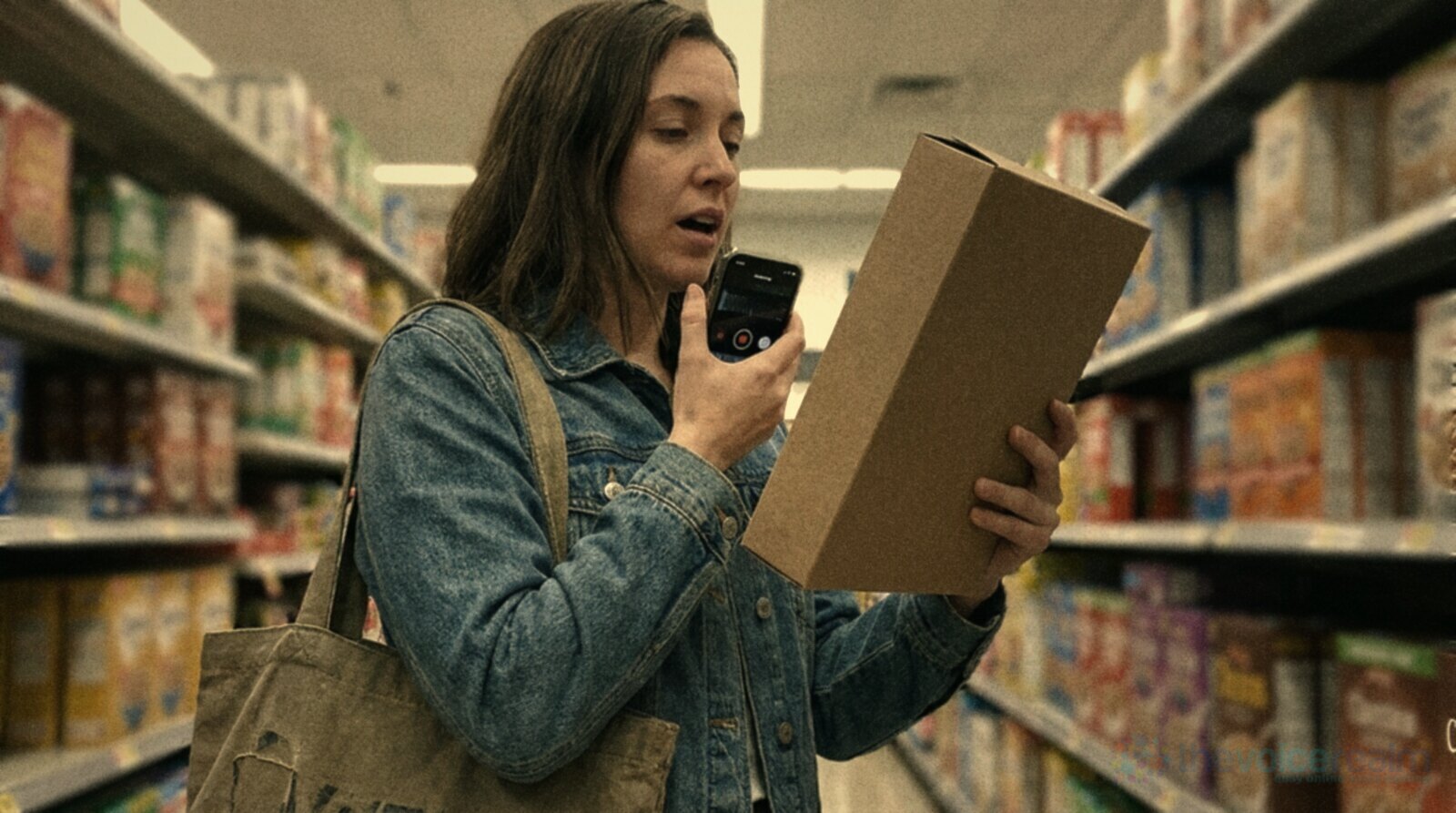
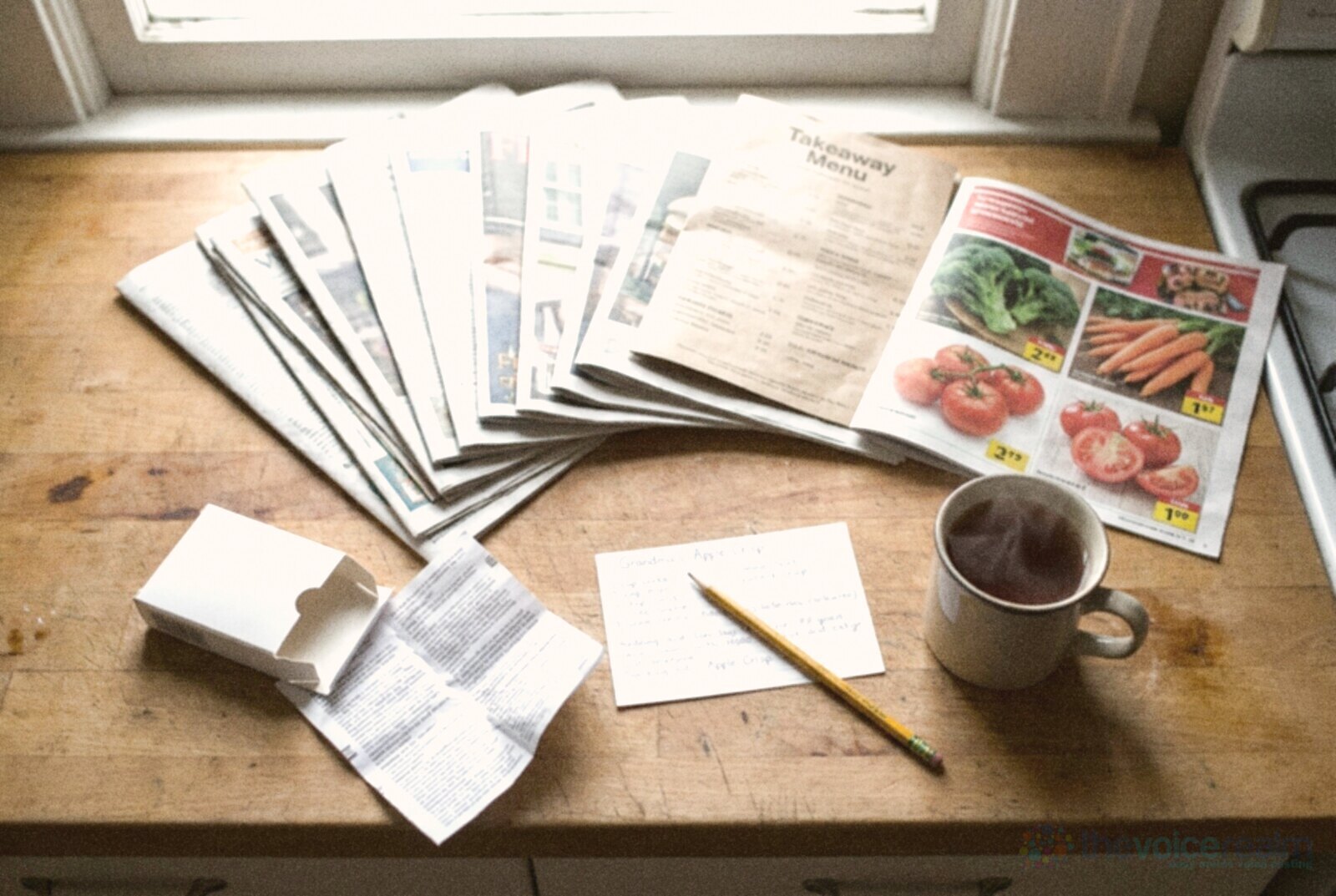
Before you search anything, look around the room. The back of a cereal box is a thirty second retail spot. The leaflet folded inside a box of painkillers is medical narration, complete with drug names and a list of side effects you have to read clearly without sounding alarmed. A supermarket flyer is a hard sell. A recipe card is a friendly how-to. The terms and conditions on a loyalty card are a legal disclaimer, which is its own small art.
None of this is glamorous, and that’s the point. A huge share of working voice over is exactly this kind of everyday copy: product, instruction, reassurance, small print. If you can make a recipe card sound like a person who actually cooks, you can make a client’s onboarding video sound human.
Read each one twice. The first time, read it the way it’s written. The second time, decide who’s talking and who to. A cereal box written for parents and a cereal box written for kids are two different reads, even when the words barely change.
© The Voice Realm
Real ads: hear them first, then read them yourself
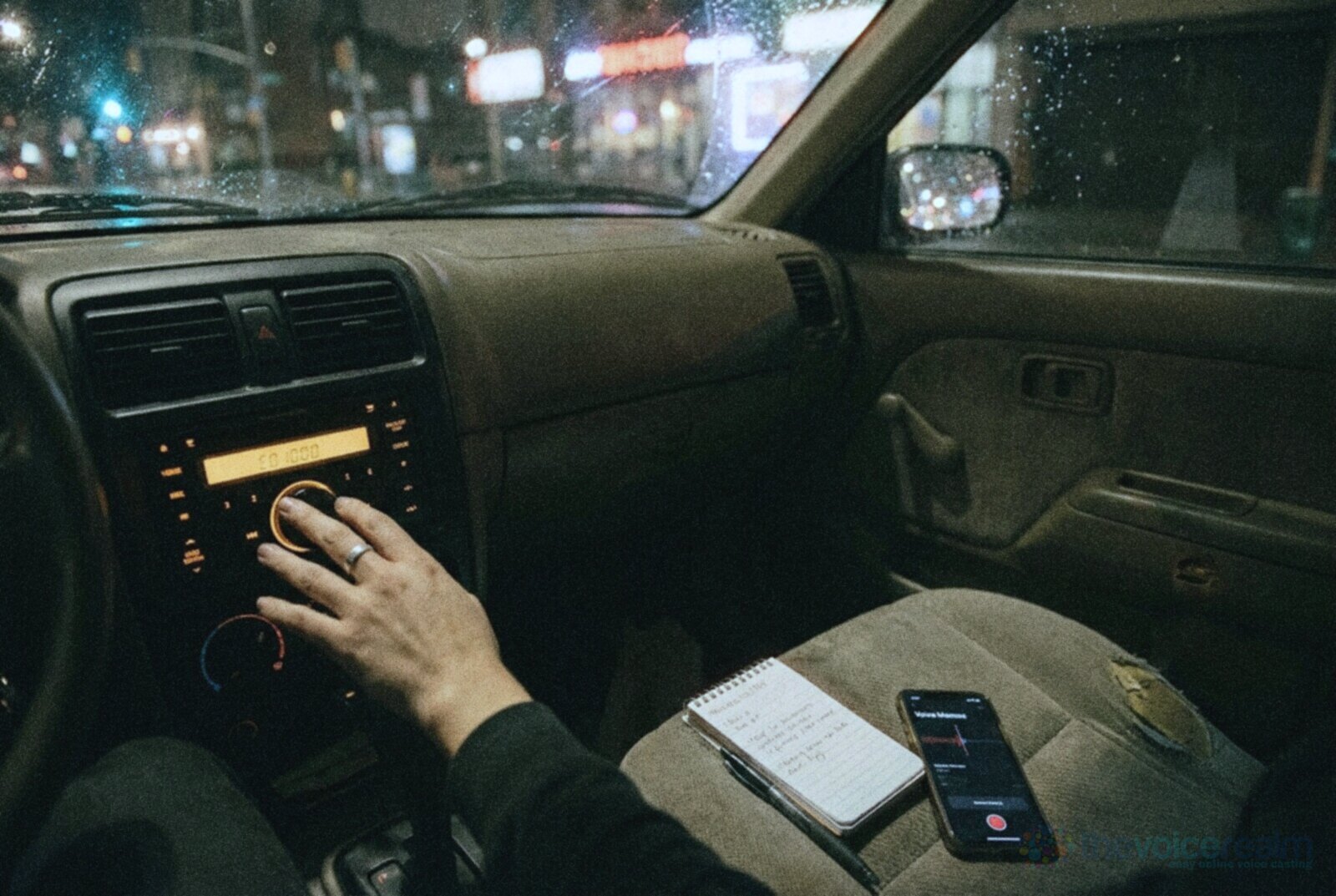
Commercials are the copy most beginners want to practise, and the trick is to use your ears before your mouth. Listen to a radio or streaming ad, write down the words as best you can, then read your transcript cold without listening again. Only after you’ve recorded your own take do you go back and compare.
What you’ll notice is rarely the voice. It’s the choices. Where the pro breathed. Which word got the lift. How much slower they went on the brand name than you did. Copying a famous read note for note won’t teach you much, but noticing the decisions behind it will.
One firm line here. Recording a real brand’s ad in your own room so you can learn from it is practice. Putting that recording on your demo, your website or social media is something else, because the words and the brand belong to someone else, and a casting team may assume you’re claiming work you never did. For anything the public will hear, write your own copy in the same style or use work you were actually paid for.
If you’re timing yourself against a real spot, our guide to how many words fit in thirty seconds will tell you quickly whether your transcript is too long to be the real thing.
© The Voice Realm
The public domain is a free library of narration
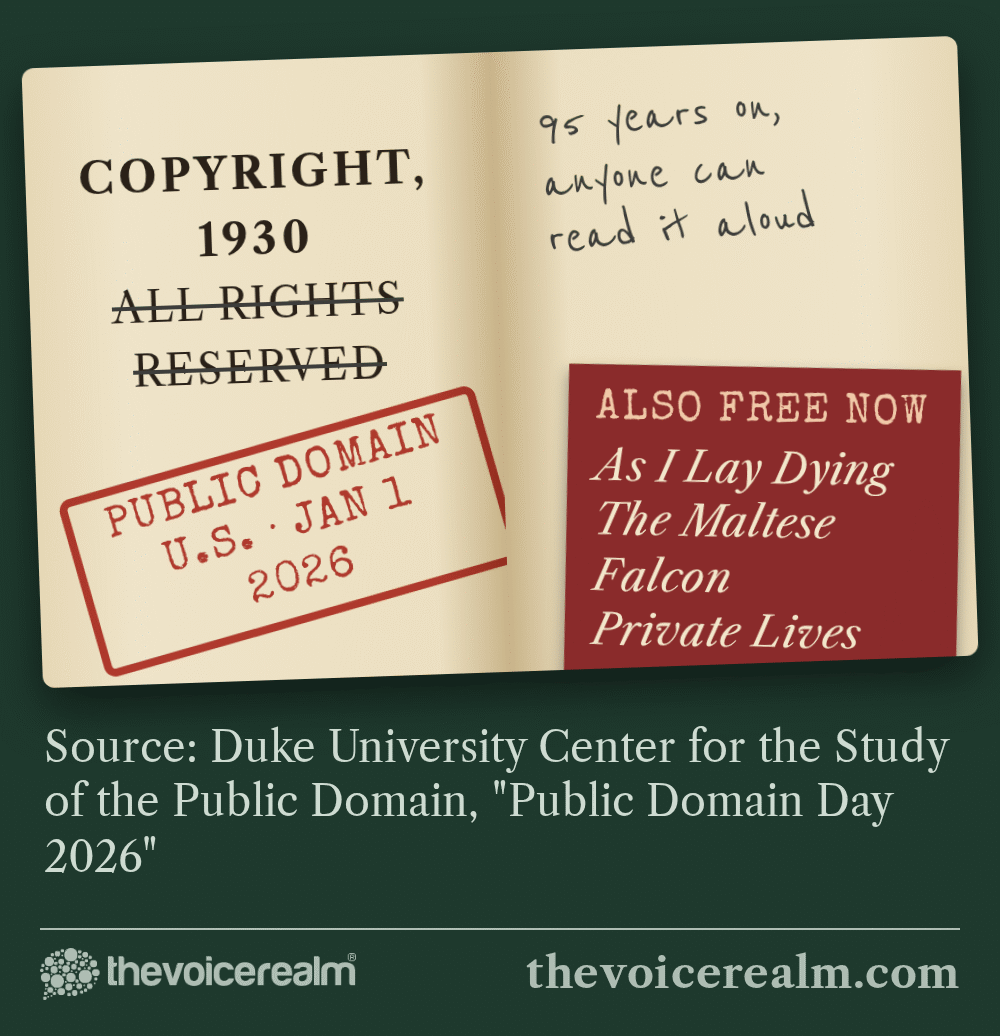
For long form practice, nothing beats the public domain: writing whose copyright has run out, so anyone can read it, record it and share it. In the United States the date moves every New Year. Duke University’s Center for the Study of the Public Domain explains that “Works from 1930 were copyrighted for 95 years” and that they’re “in the public domain January 1, 2026.” That brought in a new crop of novels and plays this year, including some famous ones.
Project Gutenberg is the obvious place to find the text. It describes itself as “an online library of more than 75,000 free eBooks”, and the older classics there are full of the things narrators need to practise: long sentences, dialogue between several characters, unusual names and old fashioned phrasing you have to make sound natural.
There’s a catch worth knowing. Copyright rules differ from country to country. Something free to read in the United States can still be protected in the United Kingdom, Australia or Europe, where the term usually runs for a set number of years after the author’s death. Practising at home is one thing. If you plan to publish a recording, check the rules where you live first.
 VoiceEditSuiteThe audio editor that learns how you breathe.Auto Clean Up keeps the best take of every line, cuts false starts and retakes, and quietens breaths the way you would.See how it worksLearns from numbers, never your audio. Never used to train AI.
If you want to go one step further, LibriVox turns public domain books into free audiobooks read by volunteers. Its own description is simple: “LibriVox volunteers record chapters of books in the public domain.” It also says that volunteering “does not require any experience with recording”, and that it accepts volunteers “with all kinds of accents.” Recording a chapter there is real practice with a real finish line. Someone checks it, and strangers will listen to it.
© The Voice Realm
Government writing makes surprisingly good narration copy
Documentary and e-learning narration need factual, clear, slightly formal copy, and public bodies publish mountains of it. Museum labels, national park trail guides, public health leaflets, space agency mission pages. These are written to explain something to an ordinary listener, which is exactly the brief on most corporate and educational jobs.
Some of it is also free of copyright. NASA’s own media guidelines say that its images, audio and video “generally are not subject to copyright in the United States.” A mission page about a probe landing on a moon makes a terrific documentary read: big numbers, place names, technical terms and a sense of wonder you have to pitch without overselling.
Try reading one paragraph three ways. First as a children’s science show. Then as a serious late night documentary. Then as a museum audio guide, where the listener is standing still and looking at something. Same words, three jobs.
Write your own, and you’ll read everyone else’s better
Writing practice copy sounds like a detour. It’s one of the fastest ways to improve as a reader, because it forces you to notice how scripts are built. Where the benefit sits. Why the brand name comes twice. Why the last line is short.
Keep it small. Pick a real local business, a bakery, a dog groomer, a bike shop, and write a fifteen second radio spot for it. Then a thirty second version. Then a phone message for when the shop’s closed. Then a line or two of instructions for a booking app. In twenty minutes you’ll have four scripts in four genres, all yours, all free to use anywhere, including on your demo.
Do the same for characters. Write three lines for a tired shop owner, a nervous first day employee and a villain who thinks he’s being reasonable. Characters live in specifics, and writing them teaches you to look for the specifics in someone else’s script.

© The Voice Realm
Turn any page into a real practice session
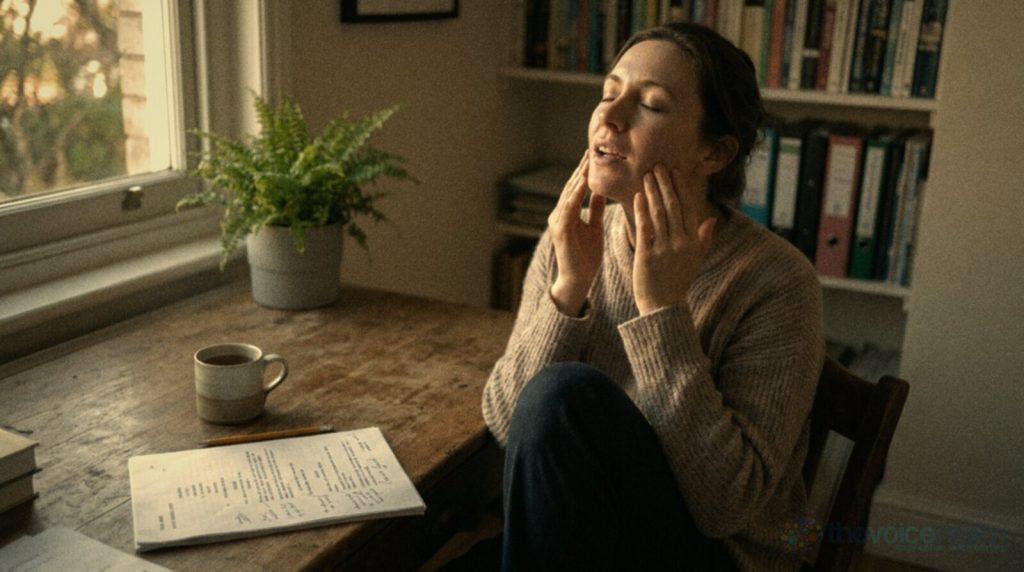
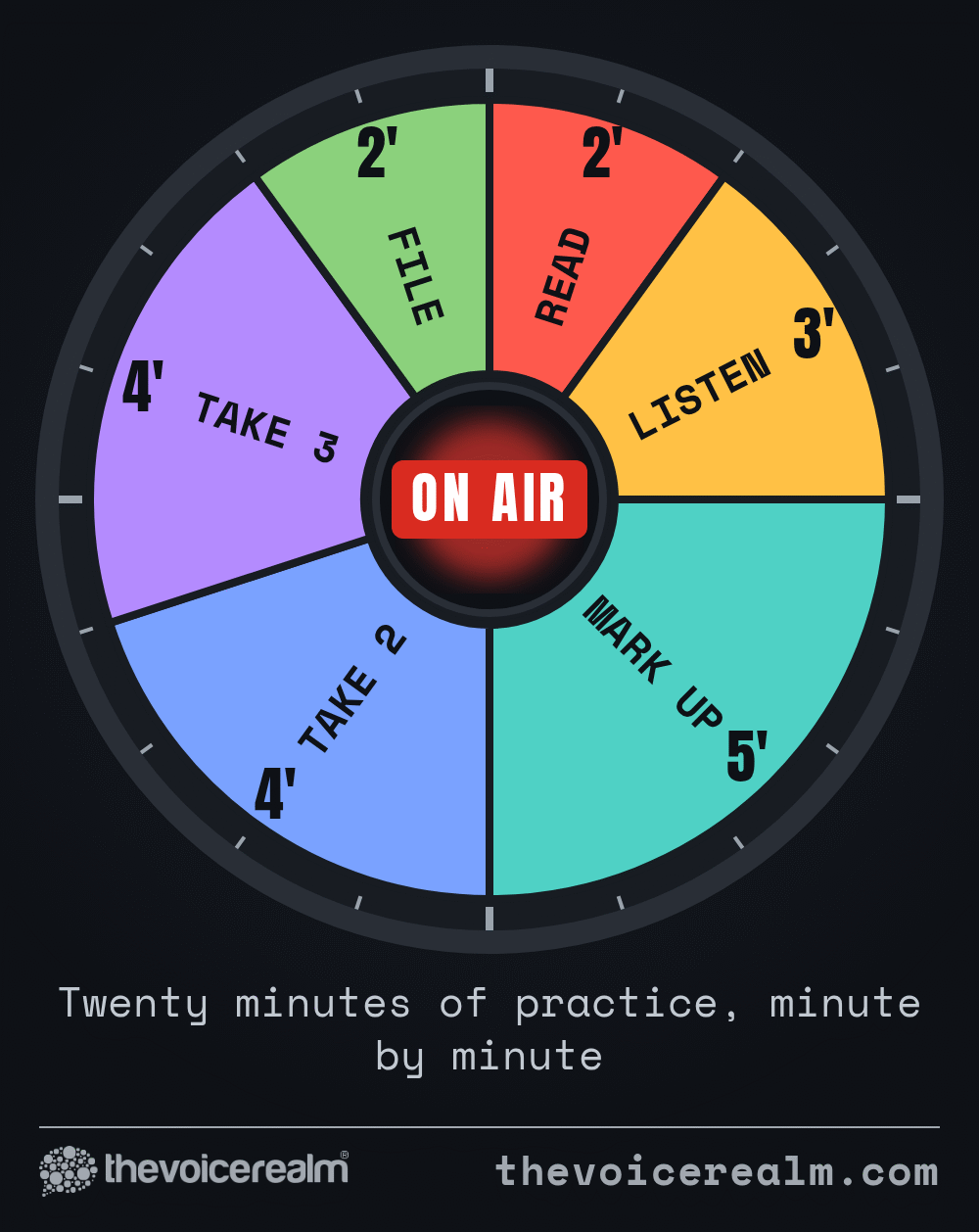
Finding copy is half the job. The other half is using it in a way that changes how you read. A session that works looks something like this.
Read it cold, once, and record it. No rehearsal. This is your audition voice, the one a client hears when you’re short on time. If you want to sharpen that first pass, our piece on reading a script cold goes deeper on keeping your eyes ahead of your mouth.
Play it back before you do anything else. Listen once as yourself and once as the client. Write down the one thing that bothers you most. Just one.
Mark the page. Decide who’s speaking, who they’re talking to and what they want. Underline the one word in each sentence that matters. Our walk through of marking up a voice over script shows real examples of what that looks like.
Record two more takes, each with a different choice. Not louder and quieter. Different people. A neighbour telling you about it, then a teacher, then a friend who’s slightly in a hurry.
Keep the best take and the cold take together. Label them with the date. In a month, play the old pair next to a new pair. That’s how you’ll hear progress that’s too gradual to notice day to day.
Twenty minutes like this beats two hours of reading the same paragraph to an empty room. And if you’d like someone to hear your takes and tell you what to change, structured lessons help a lot at this stage. Voice Master Academy is built for exactly this point, when you’ve started practising and want to know you’re practising the right things.
© The Voice Realm
When practice starts to look like work
You’ll know you’re ready for real scripts when cold reads stop scaring you and your first take is already usable. That’s when it’s worth browsing real casting briefs, even before you audition, just to see what clients actually ask for. The voice over jobs board is a good place to read live briefs, notice which styles come up again and again, and write your next practice script to match.
Until then, keep the supply varied. A cereal box on Monday, a mission page on Tuesday, a chapter of an old novel on Wednesday, a spot you wrote yourself on Thursday. Your voice gets better by meeting copy it hasn’t met before, and the world is printing more of it every day.
Sources: “Public Domain Day 2026”, Duke University Center for the Study of the Public Domain; “About Project Gutenberg”, Project Gutenberg; “About LibriVox”, LibriVox; “Guidelines for using images and media”, NASA.
Ready to get booked?
See the jobs open right nowAbout Sarah Robbins
Sarah Robbins writes for The Voice Realm about finding voice over work, home studios, casting and the business side of voice acting.