1.866.572.1107   20.3991.3890   1.800.846.451
Now With Even More Professional Voice Actors to Choose from Than Ever Before. NEVER ANY HIDDEN FEES!
Voice Overs for Cartoons

So you're looking for a professional voice actor to record a voice over for cartoons?

Our voices are experienced in providing both small and large clients with cartoon and character voices for projects online, television related and for an array of video games and iPhone apps.

Unfortunately we can't offer you the services of the legendary Mel Blanc, but our hundreds of professional voice talents are able to help bring your cartoons to life by providing original voices for your project.

Our Animation Voice Over talent are available for your animated films, anime, impersonations and even voice characters for rides and rollercoasters in theme parks all over the world.

We recently cast a team of voice talent to provide voice overs for cartoons that play throughout one of the biggest theme parks in Japan!

If you need a male or female, boy or girl’s voice for any sort of cartoon character then audition voice talent for FREE right here at The Voice Realm. Easy Online Voice Casting.

Professional Cartoon Voice Talents

SteveEnglish (North American)

Adult (30-50)
View Info Audition LOG IN FOR MORE OPTIONS

KasperDutch

Adult (30-50)
View Info Audition LOG IN FOR MORE OPTIONS

MathieuFrench (European)

Adult (30-50)
View Info Audition LOG IN FOR MORE OPTIONS

RobinEnglish (North American)

Yng Adult (18-29) | Adult (30-50)
View Info Audition LOG IN FOR MORE OPTIONS

JonathanEnglish (North American)

Yng Adult (18-29) | Adult (30-50)
View Info Audition LOG IN FOR MORE OPTIONS

LisaEnglish (North American)

Adult (30-50) | Older Sound (50+)
View Info Audition LOG IN FOR MORE OPTIONS

How Voice Shapes Identity in Animated Storytelling

In animation, character identity is built through several layered elements, and voice is one of the most influential. Unlike live action, where facial expression and body language lead performance, animated characters depend heavily on vocal delivery to communicate intention and emotion.

  • Voice as the First Signal of Character: Before a character’s background or role is revealed, the sound of their voice already suggests personality traits such as confidence, innocence, authority, or humor. This initial impression shapes how audiences interpret every action that follows.
  • Emotional Meaning Through Sound: Tone, inflection, and pacing guide how viewers emotionally respond to a scene. A softer delivery can signal vulnerability, while sharper articulation may suggest conflict or urgency. Cartoon voiceover artists use these vocal shifts to support the emotional direction of the story without overexplaining it.
  • Genre Influences on Vocal Identity: The type of animated production directly shapes how vocal identity is performed. Children’s animation often uses warm, expressive voices, while educational content focuses on calm pacing and clarity. Teen and adult animation typically favors natural, conversational delivery. These differences closely align with how different voice over genres fit a voice and guide how performers adjust tone, rhythm, and emotional range to match audience expectations and storytelling needs.
  • Consistency Across Character Development: As characters grow within a series, their voice must evolve while remaining recognizable. This balance helps maintain continuity while reflecting growth in personality or perspective.

Together, these elements show how voice functions as a primary identity marker in animated storytelling, shaping how characters are understood, remembered, and emotionally experienced by audiences.

Performance Control and Technical Precision in Cartoon Voice Work

Voiceover artists for cartoon projects rely on a combination of vocal flexibility and technical discipline. Unlike traditional narration, cartoon work often requires exaggerated range without losing clarity. A professional voice actor may be asked to shift between emotions, ages, or personalities multiple times within a single session. These rapid transitions demand fine control of pitch, tempo, and breath.

Rather than following a fixed formula, many performances are built through experimentation during recording. Voice artists adjust volume, rhythm, and emotional intensity to match the animation’s pacing and visual storytelling. This constant fine tuning helps prevent performances from sounding forced or disconnected from the character’s movement.

Behind the scenes, several technical factors shape performance quality:

  • Breath control supports expressive delivery without distortion
  • Pitch variation helps distinguish characters within the same production
  • Microphone positioning affects sound consistency
  • Vocal stamina protects against strain during long sessions

Character switching is a particularly demanding aspect of cartoon voice work. A single performer may voice a hero, a side character, and a background role within minutes of each other. Each must remain vocally distinct across episodes or scenes. Emotional continuity also plays an important role. A character’s personality must remain recognizable even as situations change. Recording environments introduce another layer of complexity.

  • Some projects are produced in large studio settings for television and streaming animation.
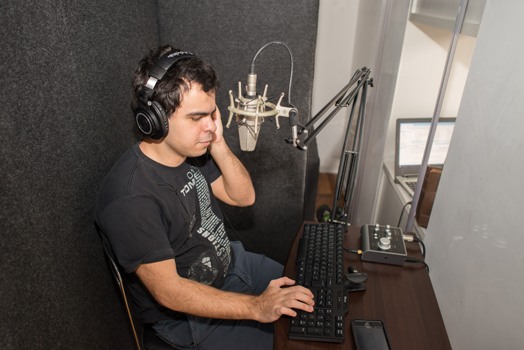
  • Others are recorded in compact home studios for web based cartoons, game animation, or educational videos.

Each environment influences acoustics, monitoring, and performance feedback. Voice artists must adjust not only how they perform, but also how they listen to their own output in real time.

The Expanding Role of Cartoon Voice Acting in Digital Media

Digital platforms have reshaped how animated content reaches audiences. Streaming services, mobile applications, and social media now host a wide variety of animated formats, from long form series to short looped clips. This shift has influenced how cartoon voiceover artists approach performance. Faster pacing and conversational delivery are becoming more common, especially in content designed for quick viewing.

Audience perception has also changed. Modern viewers often respond more strongly to voices that sound natural and relatable, even in fantasy-driven animation. Emotional realism has gained greater importance alongside expressive character work. This balance allows storytelling to feel grounded while remaining imaginative. Several audience preferences shape performance direction today:

  • Relatable tones that support emotional connection
  • Clear speech for global and multilingual viewership
  • Controlled expressiveness rather than theatrical excess
  • Dialogue that matches fast-moving visual sequences

These developments have expanded the opportunities available to voiceover artists for cartoon projects. Beyond entertainment, animated content now plays an important role in education, marketing, and corporate communication. Branded animated videos, training modules, and instructional explainers rely on clear, engaging vocal delivery to guide viewers through information.

Despite continued technological change, the fundamental function of voice remains unchanged. Voices carry narrative structure, shape character memory, and guide emotional response. Whether a performance is used in a children’s cartoon, a learning platform, or a digital marketing campaign, vocal storytelling continues to anchor the animated experience.

As animation formats continue to diversify, the importance of skilled voice performance remains steady. While tools and platforms evolve, the human voice continues to serve as the bridge between visual design and audience understanding.

Quick Search

Age ranges


Language


Skills & Extra Services


In a Rush?

Look for voice talent with the FAST VOICE CASTING icon if you need your recording back in 4 hours or less. 

Choose the exact actor you want and get the ball rolling!


All The Voice Realm talent have been hand picked as the best in the business.


Want to save money?

Try QUICKcast. Rates from just $55. The easiest, quickest and most affordable way to have your script read by a pro!

CLICK HERE TO GET STARTED

You will have your recorded script back within a few hours.

Our worldwide support staff watch over your job to ensure everything goes smoothly.

The Role of Voiceover Artists in Cartoon Production

Cartoon productions rely heavily on vocal performance to bring animated characters to life. Cartoon voiceover artists do more than supply voices. They help define personality, mood, and emotional depth through tone, pacing, and expression. Unlike standard narration, cartoon voice work often requires exaggerated delivery, precise timing, and the ability to shift between different character styles within the same project.

Voiceover artists for cartoon projects must also understand how their performance aligns with animation timing, visual cues, and dialogue rhythm. This coordination ensures that speech feels natural within the animated environment. Whether the character is playful, dramatic, mysterious, or comedic, the voice plays a central role in shaping how audiences connect with the story.

Cartoon voiceover actors often specialize in flexibility. Many train to adapt their pitch, tempo, and emotional range to suit different age groups and storytelling styles. This ability to switch between character types is also reflected in how professional voice talent across industries is brought together in one place, allowing creators to explore a wide range of performance styles within a single resource. From children’s entertainment to animated series for mature audiences, cartoon voice work continues to evolve as animation formats and viewing platforms expand.