The upgrade

One weak link. Find it.

You are booking work and something still bothers you about how you sound. It is rarely the microphone, and this page exists to stop you replacing the wrong thing.

  • Seven symptoms, one answer
  • The mic comes last on purpose
The weak link audit

Tick what sounds like you.

Tick as many as you recognise. We rank them the way we would spend the money, and tell you the one to do first. Most people are surprised by how cheap the answer is.

Your verdict

Tick one and we will tell you.

Nothing ticked yet. If genuinely none of them sounds like you, your setup is fine and the next thing worth buying is a second sound to offer clients, not a better version of the one you have.

In order

Where the money goes, and why that order.

This order is not a matter of taste. Each step makes the next one audible, which is why doing them backwards feels like spending a lot to change very little.

1

The room

Everything downstream records the room. Fix it and every microphone you ever own sounds better.

2

Clean gain

Once the room is quiet you can finally hear your own noise floor. Then it is worth removing.

3

Mounting

With the air sorted, the noise coming up the stand is what is left. Shock mount and arm.

4

Monitoring

Now you need to hear all of it for four hours without wanting to stop.

5

The microphone

Last, and for a different sound rather than a better one. This is the fun purchase, so earn it.

The shortlist

What we would actually buy.

Everything the audit can send you to, in one place. If you already own the answer, the audit has saved you the money and we are happy either way. Flat wall panels are not among them deliberately: the only number that matters is the thickness, so buy two inches of mineral wool or fibreglass from whoever is nearest, ignore anything sold as studio foam, and put the first pair at the points where your voice bounces off the side walls into the microphone.

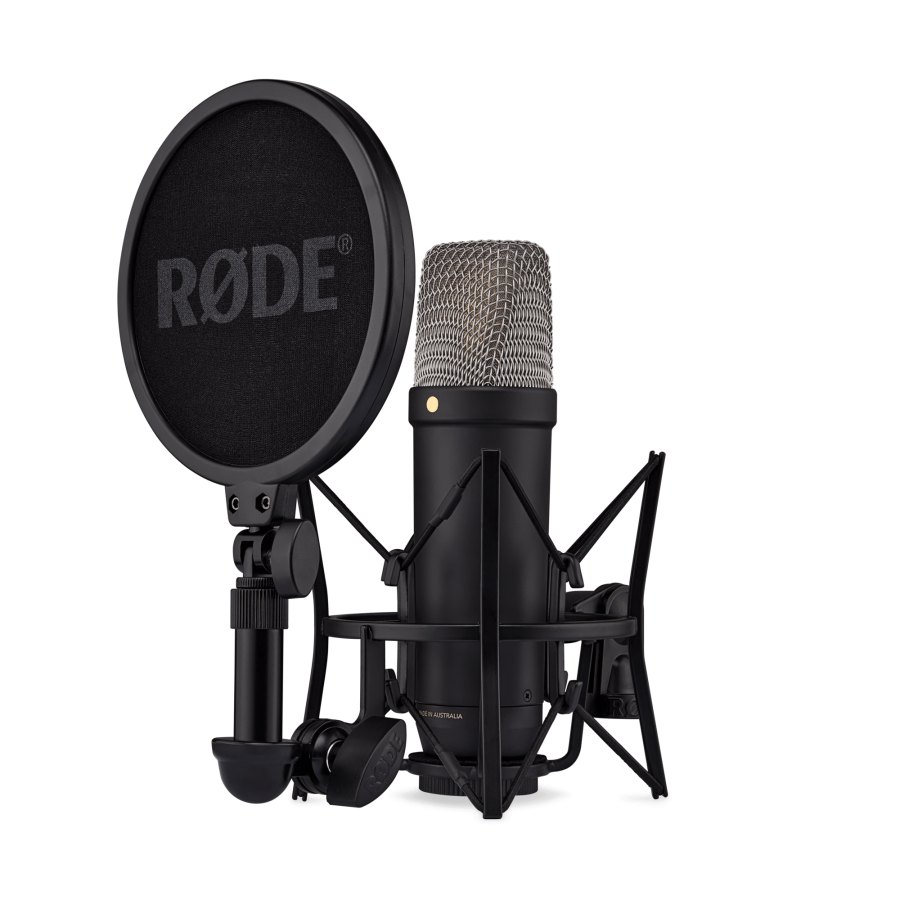
Rode NT1 5th Generation Our pick
The first serious microphone

Rode NT1 5th Generation

The mic a generation of voice actors started on, and plenty never left. It is famously quiet, so the only noise you hear is your room, and this one has an XLR socket and a USB socket on the same body. Start on USB, add an interface later, keep the microphone.

Also needs Nothing at first. Later, an interface with phantom power.

around $249 See it on Amazon
Audio-Technica AT4040
The quiet workhorse

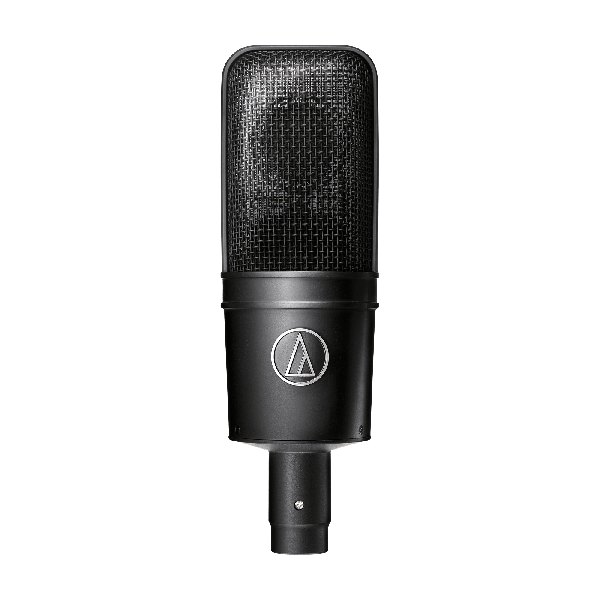
Audio-Technica AT4040

A studio condenser that has been in working rooms for twenty years without fuss. A little darker than the Rode, kind to bright voices, and it holds its value if you ever sell it on.

Also needs Phantom power and a shock mount.

around $299 See it on Amazon
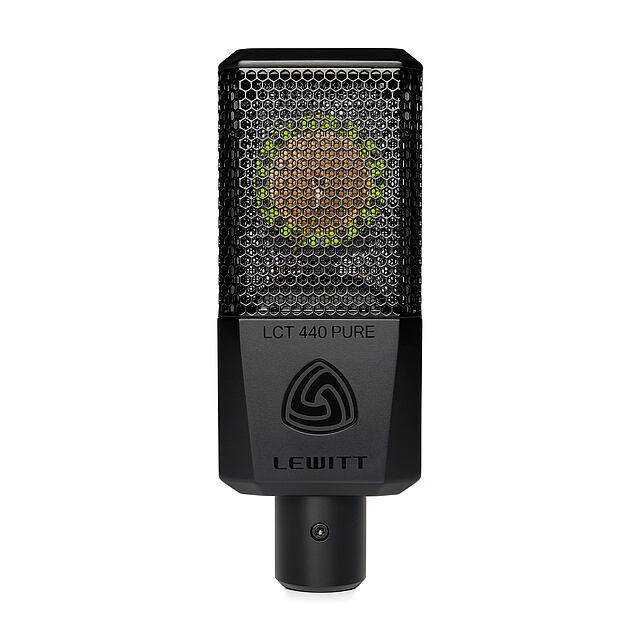
Lewitt LCT 440 Pure
One pattern, done properly

Lewitt LCT 440 Pure

No switches, no pads, one cardioid capsule and a very low noise floor. This is what it sounds like when a microphone spends the money on the capsule instead of the front panel.

Also needs Phantom power. The shock mount is in the box.

around $299 See it on Amazon
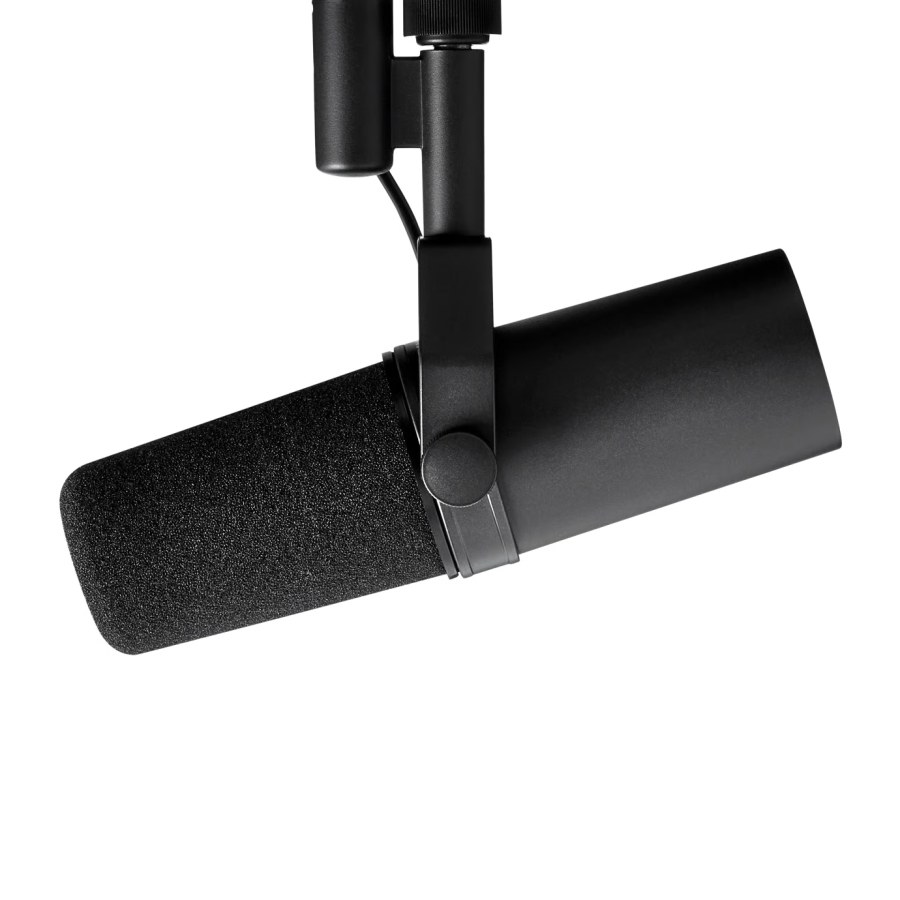
Shure SM7B Our pick
The forgiving one

Shure SM7B

A dynamic hears far less of the room than a condenser does, which is why it lives in radio stations and spare bedrooms alike. Big, warm and genuinely hard to make sound bad. If your room is the problem and you cannot fix it this year, this is the microphone that hides it.

Also needs Sixty decibels of clean gain: a serious interface, an inline booster, or the dB version that carries its own.

around $399 See it on Amazon
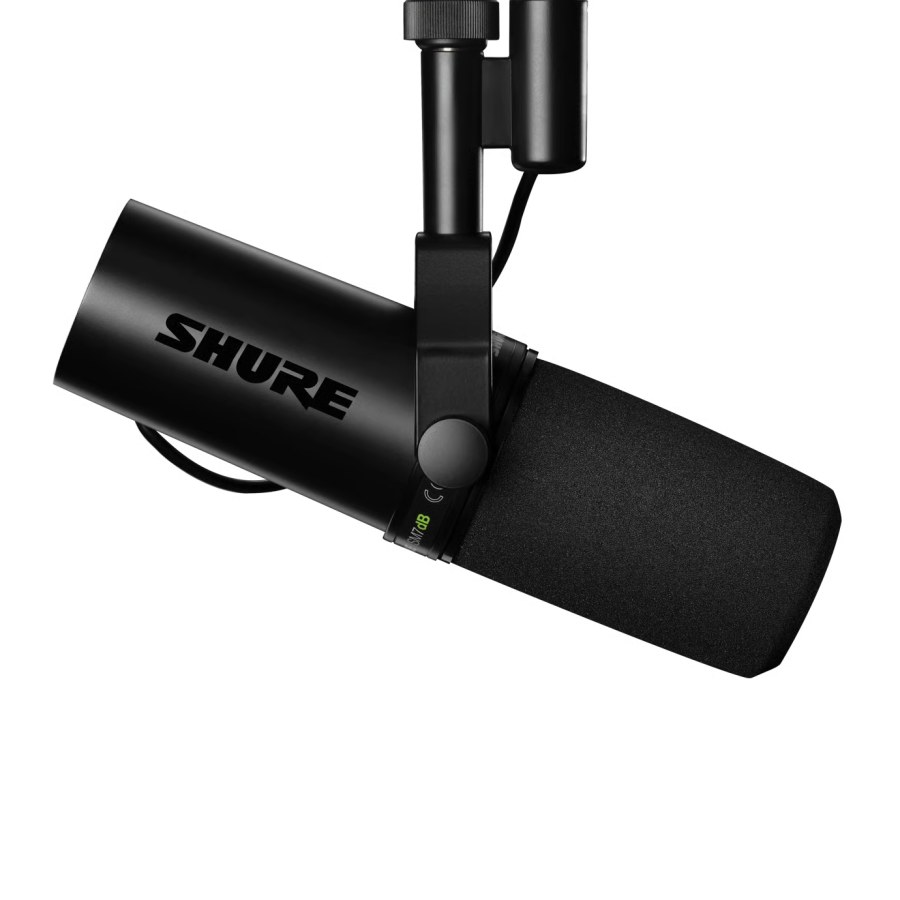
Shure SM7dB
The SM7B with the gain built in

Shure SM7dB

The same microphone with an active preamp inside, so any interface can drive it. It costs about what an SM7B plus a booster costs, and it is one less box and one less cable on the desk.

Also needs Phantom power to wake the preamp.

around $499 See it on Amazon
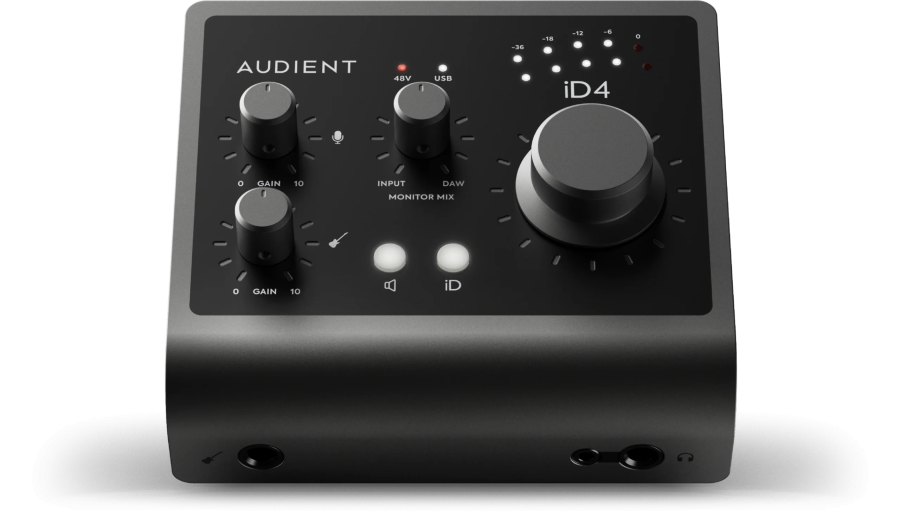
Audient iD4 MkII Our pick
The preamp is the point

Audient iD4 MkII

The console preamp design Audient puts in studio desks, in a box the size of a sandwich. Quieter than it has any right to be at the price, which matters more on a voice than on anything else you will ever record.

Also needs An XLR cable. The headphone output is good enough to monitor on.

around $199 See it on Amazon
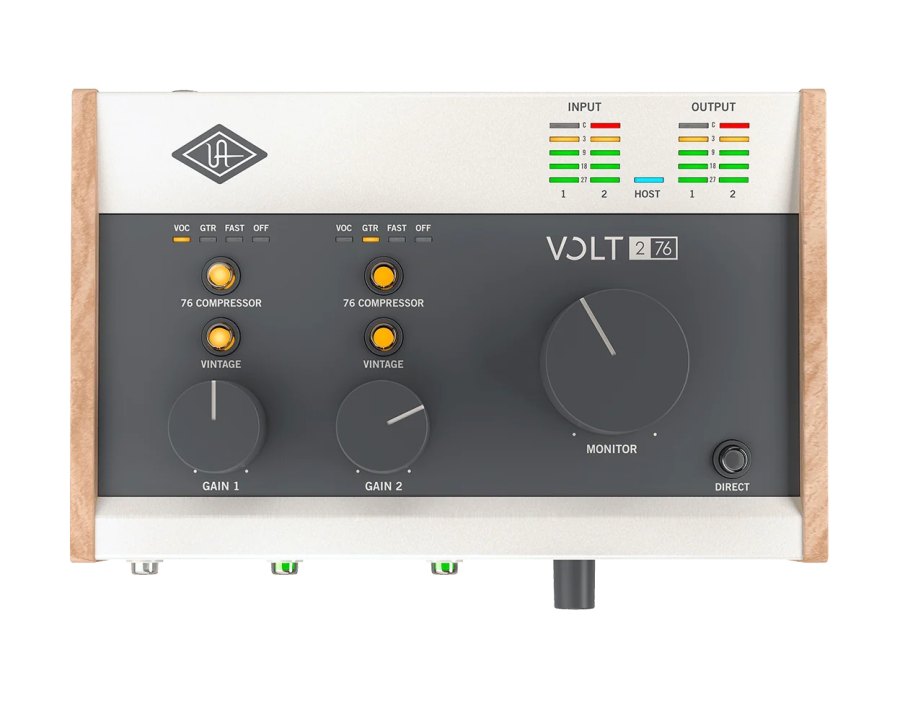
Universal Audio Volt 276
With a compressor on the way in

Universal Audio Volt 276

Two inputs, a vintage preamp mode and a real analogue compressor you can print or leave alone. Useful if you run live sessions and want the level to behave before it reaches the client.

Also needs Restraint. Record a flat version too, so you always have the clean take.

around $299 See it on Amazon
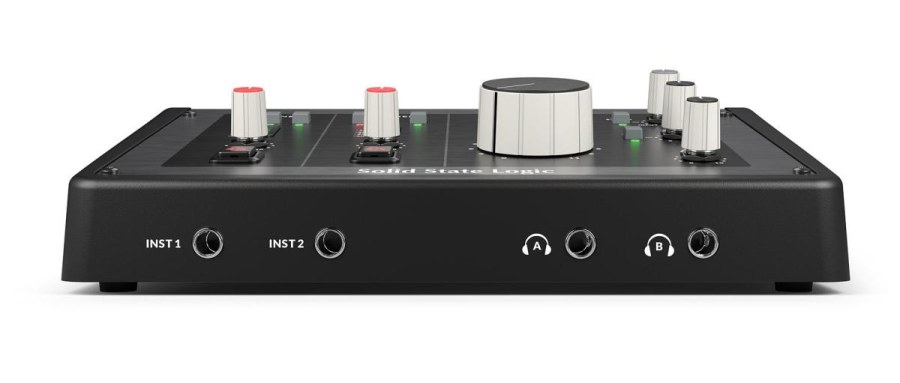
SSL 2+ MkII
Two headphone outputs

SSL 2+ MkII

Clean preamps with an optional colour switch, and two independent headphone outputs, which is the detail that matters the day a director wants to listen in the room with you.

Also needs Nothing extra.

around $289 See it on Amazon
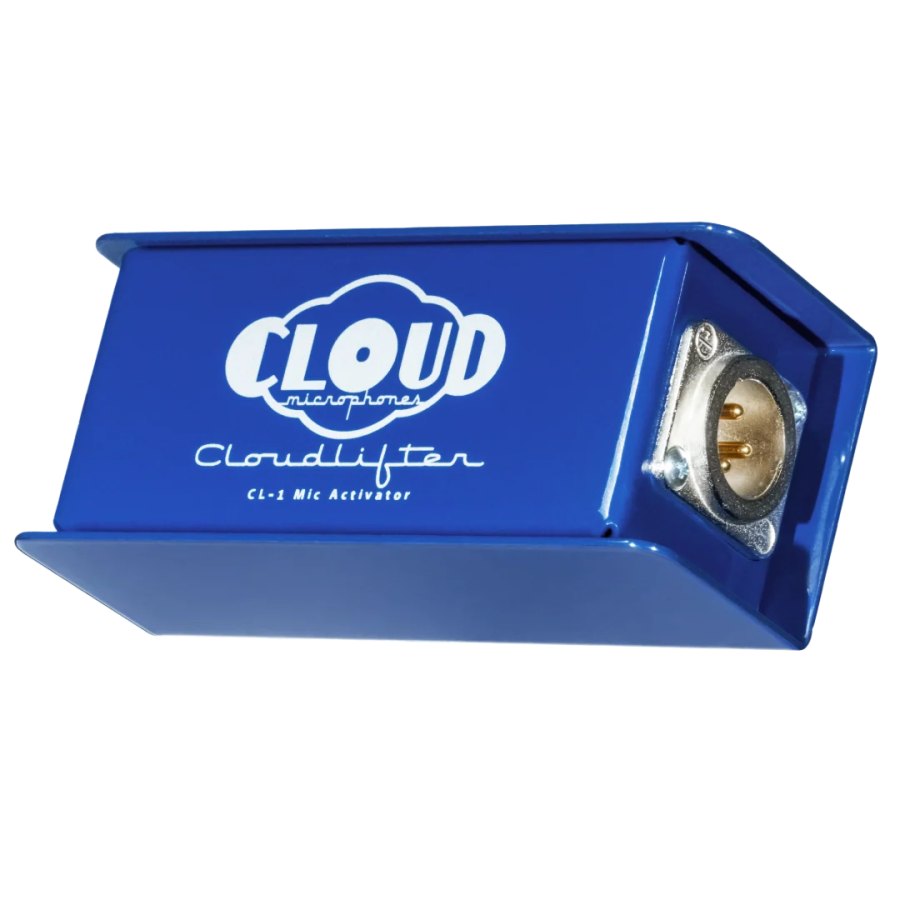
Cloudlifter CL-1
Twenty-five decibels of quiet gain

Cloudlifter CL-1

Sits between a hungry dynamic and your interface and gives it the clean gain the interface cannot. The usual fix for an SM7B that sounds hissy.

Also needs Phantom power and a second short XLR cable.

around $169 See it on Amazon
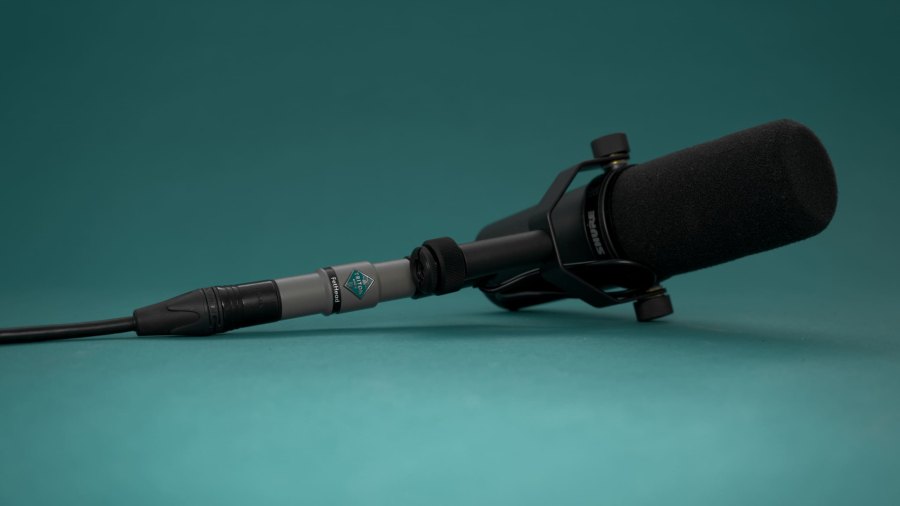
Triton Audio FetHead
The same trick, pocket sized

Triton Audio FetHead

The inline version. It screws straight onto the microphone, costs half as much as the box, and loses nothing you will hear. It lives in a travel bag very happily.

Also needs Phantom power.

around $89 See it on Amazon
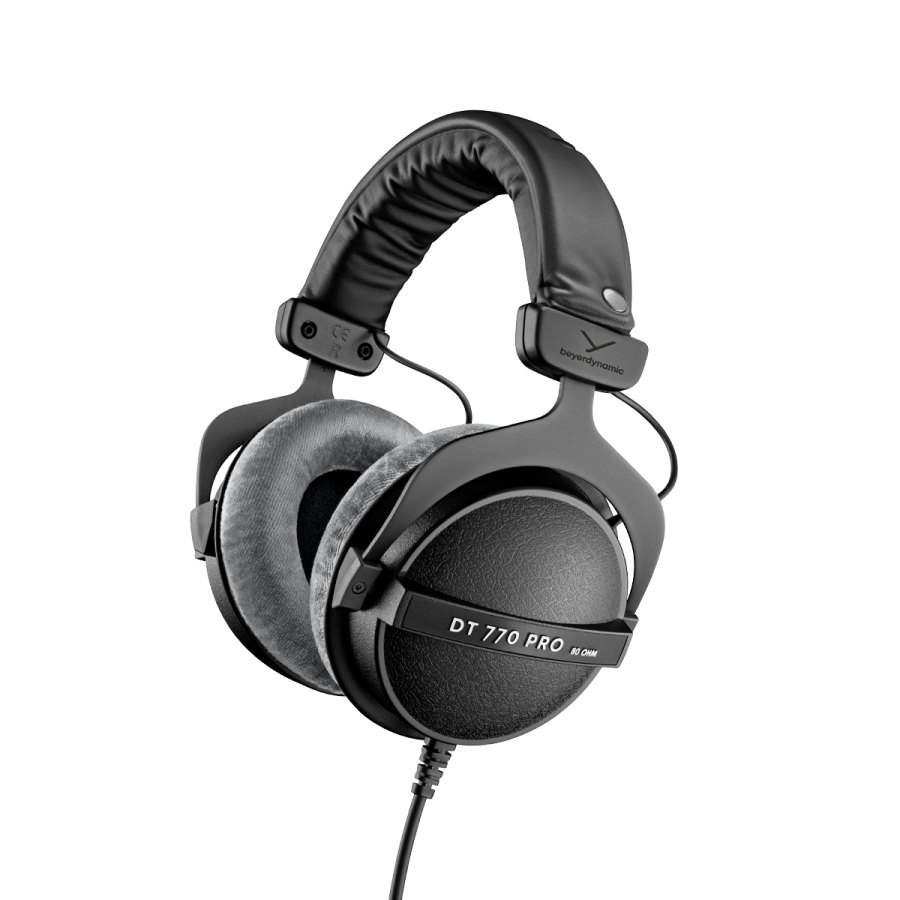
Beyerdynamic DT 770 PRO Our pick
The long-session pair

Beyerdynamic DT 770 PRO

The pair most voice actors end up on, because you can wear them for four hours without wanting them off your head. Get the 80 ohm version for a home interface.

Also needs An interface that can drive them. Most can.

around $179 See it on Amazon
Primacoustic Cumulus corner trap, pair
The corners are the problem

Primacoustic Cumulus corner trap, pair

Low frequency energy piles up in the corners of every small room. Traps there do more for a boomy voice than another six panels on the walls ever will, and these mount across the corner where the ceiling meets two walls, which is the spot most people never treat.

Also needs Two corners you are allowed to fill. They come as a pair.

around $205 See it on Amazon
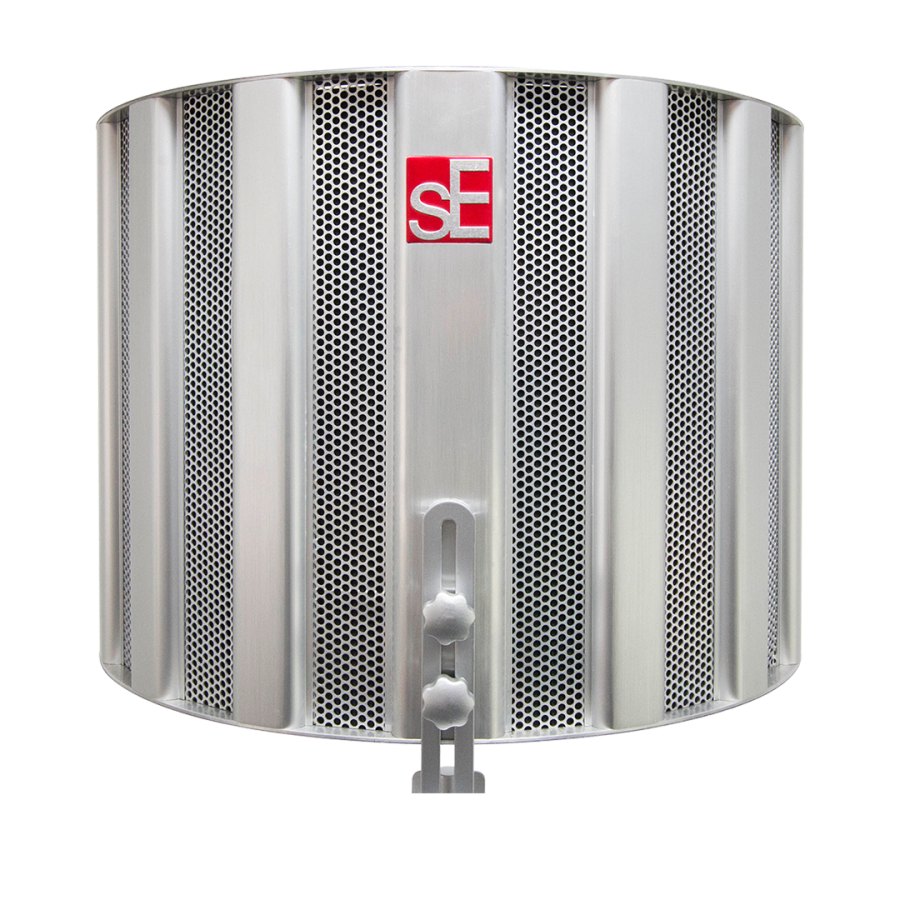
sE Electronics RF SPACE Reflexion Filter
Treatment you can take down

sE Electronics RF SPACE Reflexion Filter

A curved absorber that mounts behind the microphone and kills the worst of what comes back at it. It is a compromise and it says so, but in a rented room where you cannot touch the walls it is a good one.

Also needs A sturdy stand. It is heavier than it looks.

around $199 See it on Amazon
Rode PSA1+ boom arm Our pick
Off the desk, out of the way

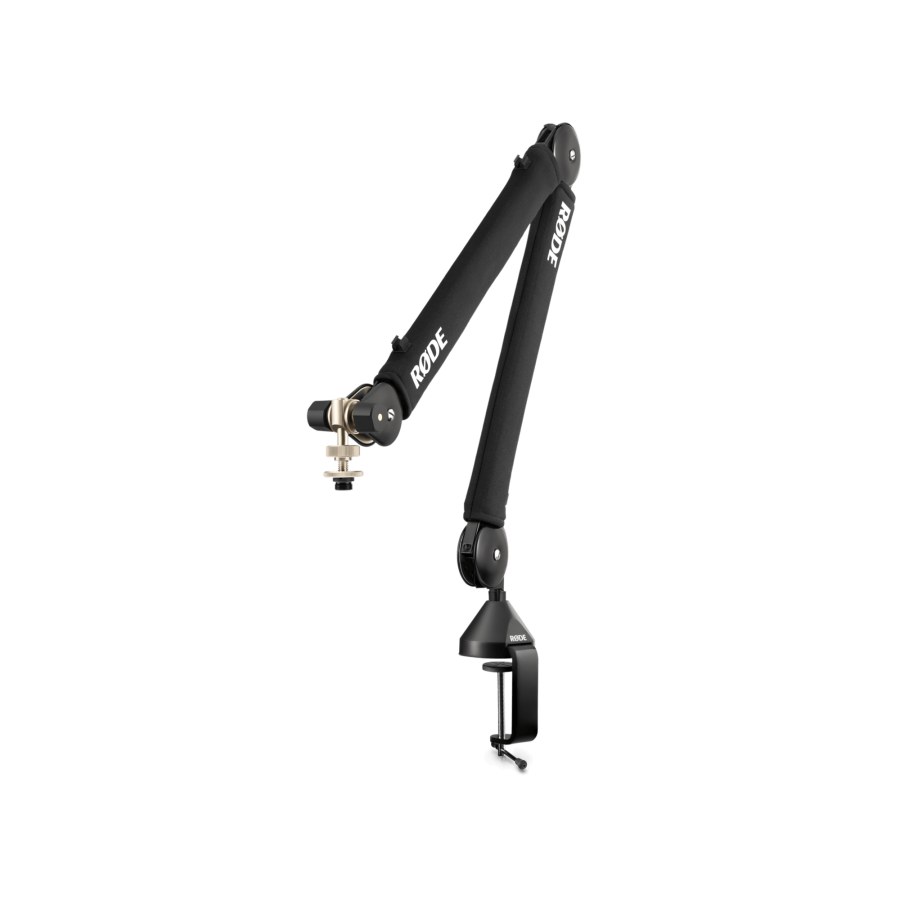
Rode PSA1+ boom arm

A desk-mounted arm keeps the microphone away from the surface your keyboard and elbows are banging on, and lets you move it rather than moving yourself. The springs are internal, so it does not creak into the take.

Also needs A desk edge it can clamp to, up to 55mm thick.

around $149 See it on Amazon
Gator Frameworks round-base stand
When you read standing up

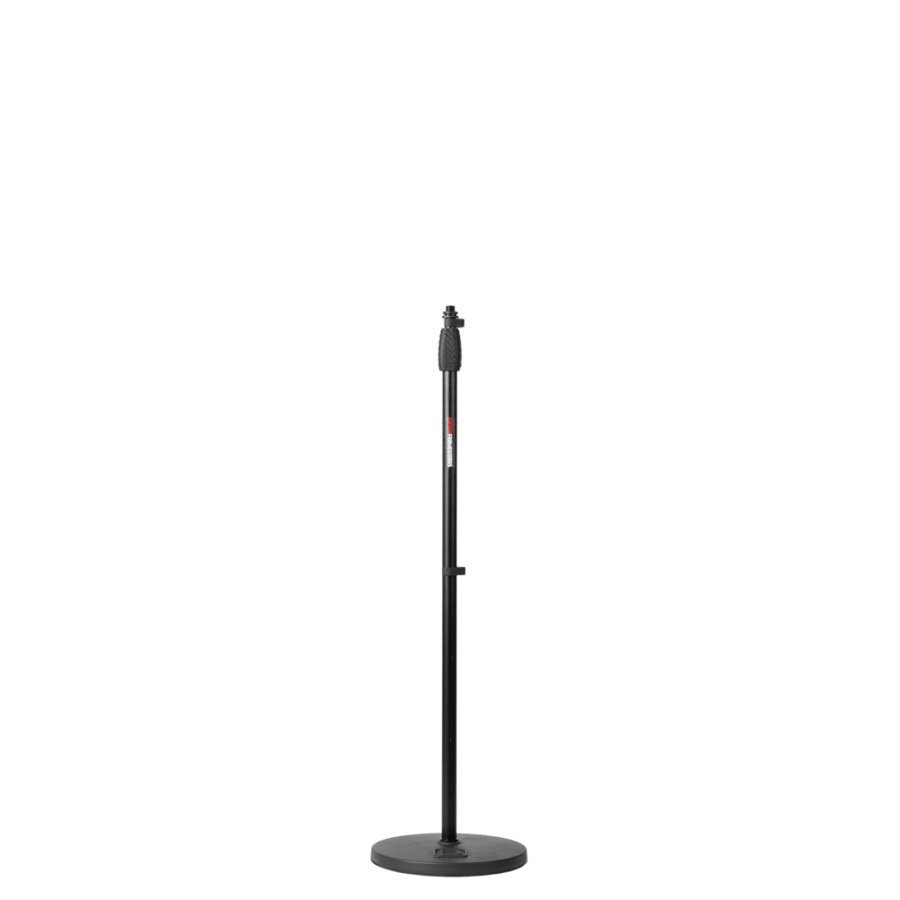
Gator Frameworks round-base stand

Standing opens the chest, and most people read better on their feet. A heavy round base does not creep across the floor or tip over when the boom is extended, which the cheap tripods do.

Also needs Floor space.

around $70 See it on Amazon
Rode SM6 shock mount and pop shield
Buy the one that fits your mic

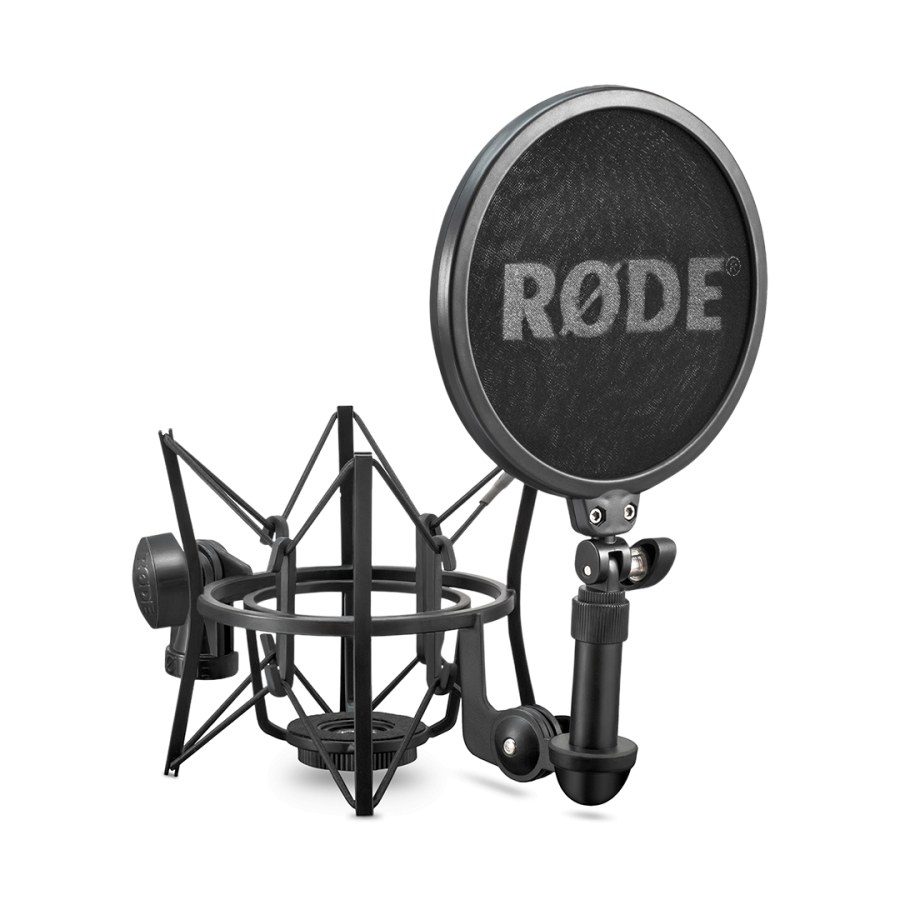
Rode SM6 shock mount and pop shield

A mount stops footsteps and desk knocks climbing the stand into the capsule, and this one brings its own pop shield. Check it fits your microphone before you buy: a mount that does not grip properly is worse than no mount at all.

Also needs A body between 40mm and 55mm across, which covers most studio condensers.

around $69 See it on Amazon
Worth saying

The upgrade nobody regrets.

Ask working voice actors what they wish they had done sooner and almost nobody names a microphone. They name the room, and then they name the chair, the water and the habit of recording at the same time every day. Gear is the easy half of sounding professional.

While you are shopping

Try Prime free while you upgrade.

Panels, a booster and a mount is three parcels from three different corners of the site, and they always arrive on three different days. Amazon's trial costs nothing, the delivery is quicker while the parcels are landing, and you can cancel before it renews if you would rather not keep it.

Questions

The ones worth answering properly.

When is it worth upgrading my microphone?
When the room, the gain and the mounting are all sorted and you still want a different sound. Until then a new microphone gives you a clearer recording of whatever is actually wrong.
Is a dynamic or a condenser better for voice over?
Neither is better, they fail differently. A condenser hears detail and the room with it. A dynamic hears less of both, which flatters an ordinary room and asks a lot more of your preamp.
How much acoustic treatment does a voice over room need?
Cover the first reflection points either side, the wall behind you and the corners if you can. That is usually six to eight panels in a spare room, and two inches thick matters far more than the surface area.
Do I need a preamp as well as an interface?
No. The preamp is inside the interface. A separate booster only makes sense with a hungry dynamic microphone, and a separate preamp is a sound choice rather than a necessary one.
Are expensive XLR cables worth it?
A well made cable lasts years and does not crackle when you move. Beyond that, no. Buy decent ones, buy two, and spend the difference on the room.
Should I build a booth?
Only if noise getting in is your problem and you have already treated the room. A booth is thousands of dollars and solves a different problem from the one most people have.

Prices are US street prices, checked by hand on 23 September 2026, and they move. Treat them as a guide to what a thing costs rather than a quote, and check Amazon for today's figure.

Every product here is checked against Amazon each night. If something is discontinued or out of stock the card says so instead of sending you to a dead page.

Product photographs are the manufacturers' own, used to show you the thing they are photographs of. Where a card shows a drawn panel instead, that maker publishes no photograph we are able to use.

As an Amazon Associate, The Voice Realm earns from qualifying purchases.

Sounding better? Show somebody.

Update the demo on your profile and you are back in front of every client who searches for a voice like yours.