The Gear Room

What do you actually need?

Less than the internet tells you, and in a different order. Here is the kit voice actors on this site really use, what each piece is for, and what it costs today.

  • Prices checked by hand, not scraped
  • Nothing here we would not use
Where are you starting from?

Pick one and we will point you at the right page. There are four, and none of them is a list of everything Amazon sells.

Before you spend anything

Four things that matter more than the microphone.

A client rejecting an audition almost never says the microphone was wrong. They say it sounded like a kitchen, or they could hear the road, or the p sounds banged. All four are free to fix.

One

The room

Hard walls send your voice straight back at the microphone half a beat late, and that is the boxy sound. Soft things in the right places beat any upgrade you can buy.

Two

The distance

A hand's width from the grille, slightly off to one side. Closer gets boomy, further lets the room back in, and moving about between takes is why a read will not edit together.

Three

The plosives

The bang on a hard p is the most common reason a first audition gets deleted. A filter and a slight angle fix it, and no amount of editing afterwards fixes it as well.

Four

The level

Aim for a healthy signal that never touches the top. Quiet and clean can be lifted later. Loud and clipped is gone forever, and clients notice on the first listen.

The shortcut

Everything most people need, on one shelf.

If you would rather not read four pages, these six pieces cover the whole chain for a first working setup. Each one links to the page that explains why.

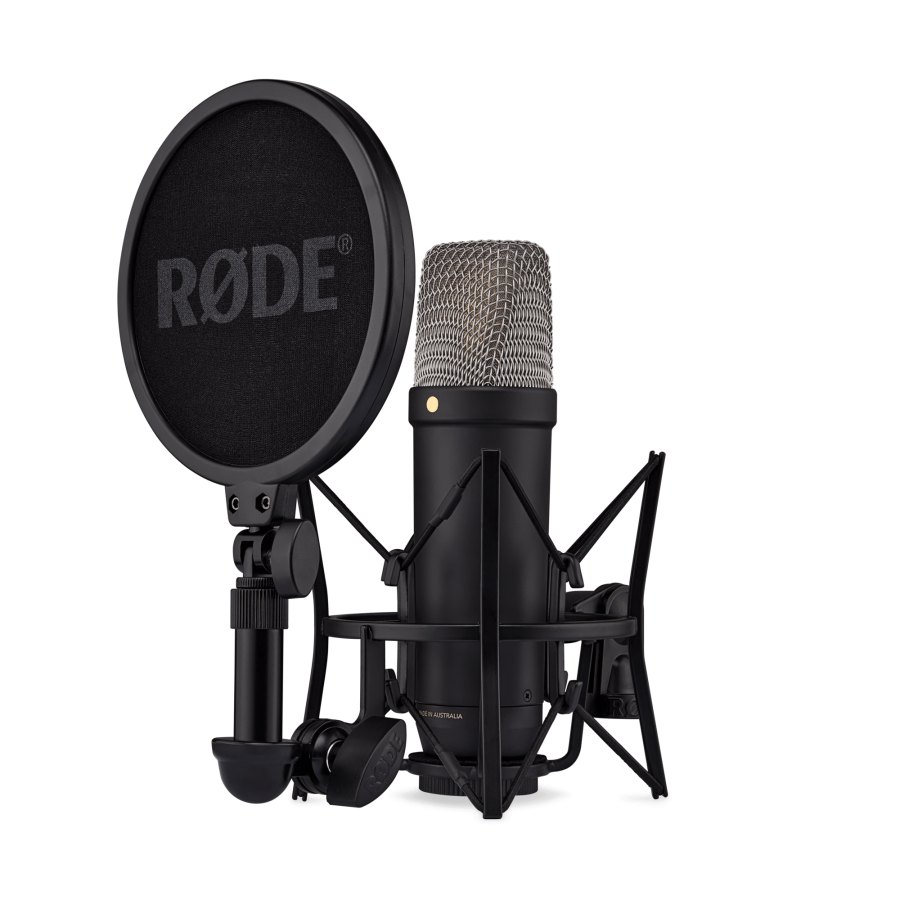
Rode NT1 5th Generation Our pick
The first serious microphone

Rode NT1 5th Generation

The mic a generation of voice actors started on, and plenty never left. It is famously quiet, so the only noise you hear is your room, and this one has an XLR socket and a USB socket on the same body. Start on USB, add an interface later, keep the microphone.

Also needs Nothing at first. Later, an interface with phantom power.

around $249 See it on Amazon
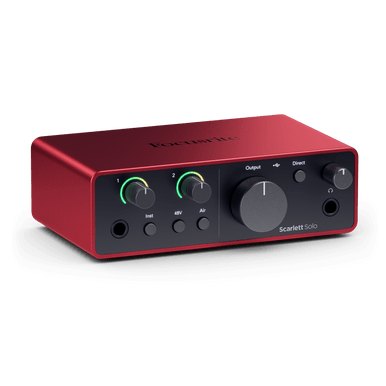
Focusrite Scarlett Solo 4th Gen Our pick
The first box under the microphone

Focusrite Scarlett Solo 4th Gen

One microphone input, one headphone socket, one knob that matters. It turns the microphone into something your computer understands, and it is the reason a hundred thousand first home studios sounded fine on day one.

Also needs One XLR cable and a free USB-C port.

around $139 See it on Amazon
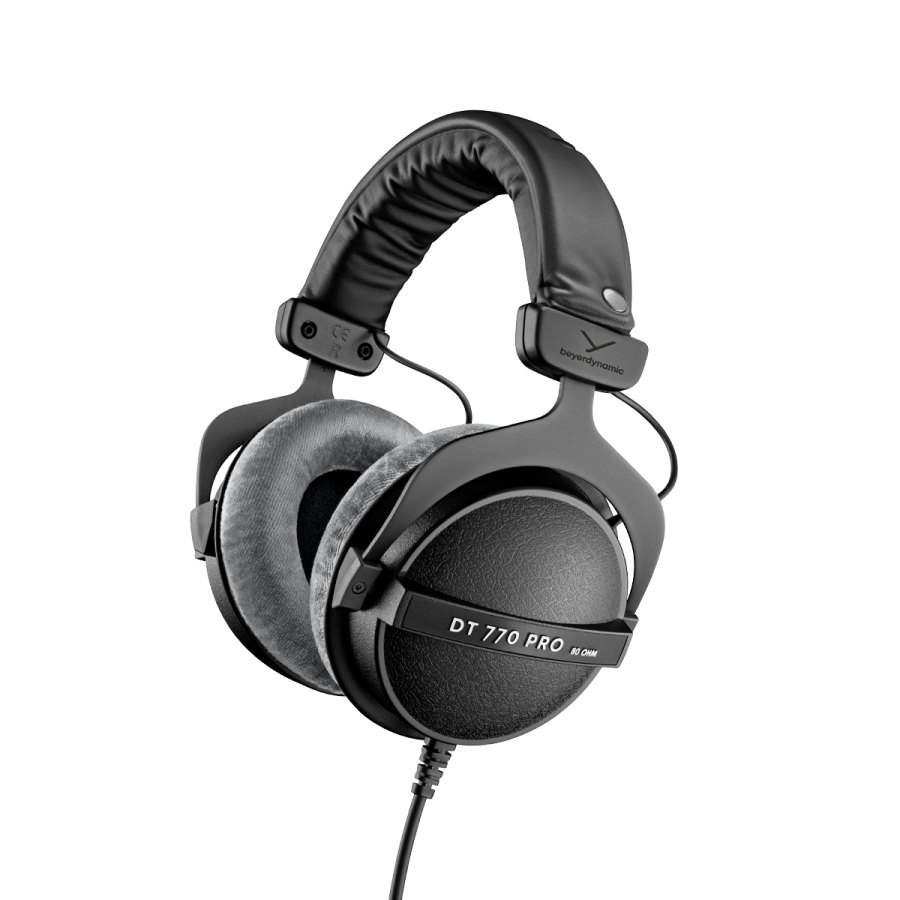
Beyerdynamic DT 770 PRO Our pick
The long-session pair

Beyerdynamic DT 770 PRO

The pair most voice actors end up on, because you can wear them for four hours without wanting them off your head. Get the 80 ohm version for a home interface.

Also needs An interface that can drive them. Most can.

around $179 See it on Amazon
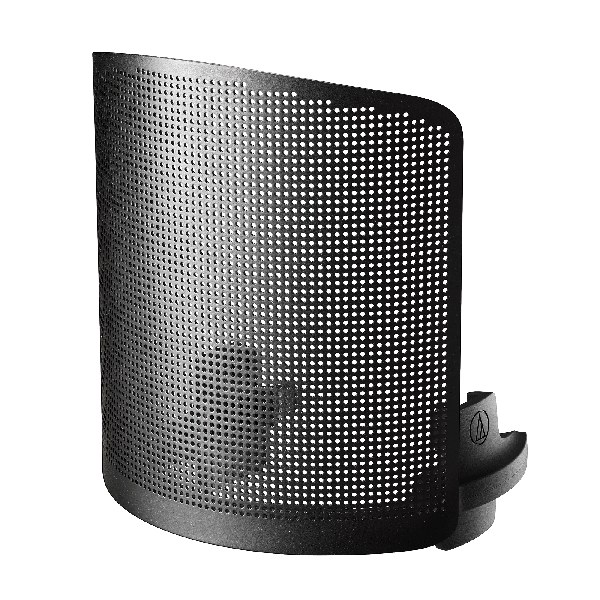
Audio-Technica AT8175 pop filter Our pick
Between your mouth and the capsule

Audio-Technica AT8175 pop filter

Plosives are the most common reason a first audition gets rejected, and a filter fixes them in a way no amount of editing afterwards can. This one is a proper studio screen on a long gooseneck, so you can set the gap once and forget it, and it costs less than the takes you will otherwise throw away.

Also needs A stand or arm with somewhere to clamp it.

around $29 See it on Amazon
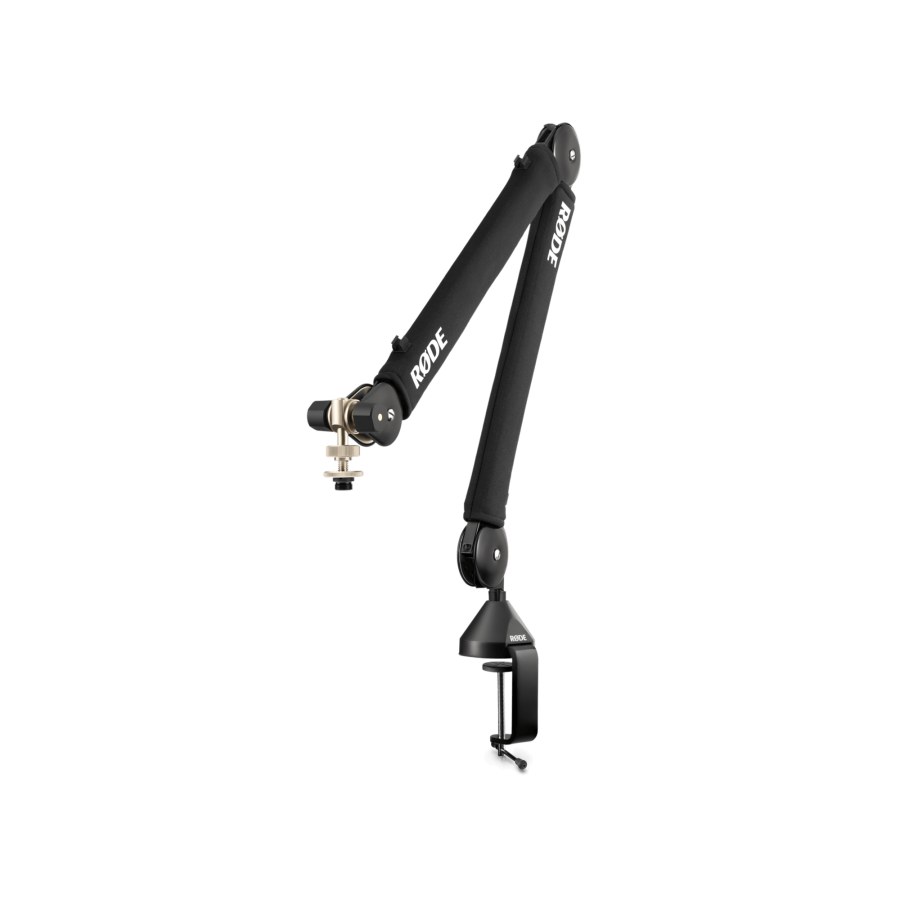
Rode PSA1+ boom arm Our pick
Off the desk, out of the way

Rode PSA1+ boom arm

A desk-mounted arm keeps the microphone away from the surface your keyboard and elbows are banging on, and lets you move it rather than moving yourself. The springs are internal, so it does not creak into the take.

Also needs A desk edge it can clamp to, up to 55mm thick.

around $149 See it on Amazon
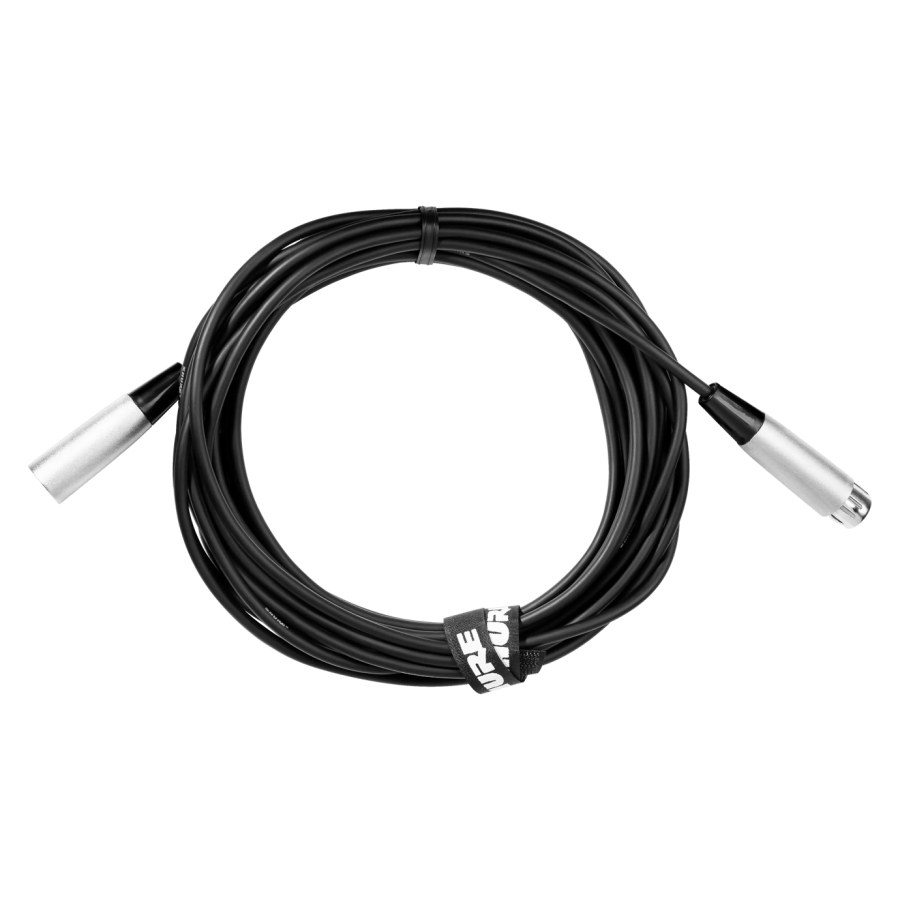
Shure C25J microphone cable
Buy two the first time

Shure C25J microphone cable

Cable is the cheapest part of the chain and the part that fails first, usually five minutes before a session. Twenty-five feet of it, so the microphone can be where it should be rather than where the socket is, and the spare lives in the bag.

Also needs Nothing.

around $23 See it on Amazon
While you are shopping

Try Prime free while you upgrade.

A first setup is four or five parcels in a fortnight, and the delivery adds up faster than anyone expects. Amazon's trial costs nothing, the delivery is quicker while the parcels are landing, and you can cancel before it renews if you would rather not keep it.

Start the free trial
Questions

The ones we get every week.

How much does a voice over setup cost?
A setup that can deliver paid work starts just under four hundred dollars for a microphone, headphones, a pop filter and something soft on the walls. Most working voice actors sit between six hundred and two thousand once the room is sorted, and the room is usually where the money should go first.
Do I need an expensive microphone to start?
No. The room you record in changes your sound more than the microphone does, and a good microphone in a bad room sounds worse than a modest one in a treated corner. Spend on the room first and on the microphone second.
Can I use a USB microphone professionally?
Yes, if it is a professional microphone with a USB socket rather than a consumer gadget. Several studio microphones now carry both XLR and USB, so you can start plugged into a laptop and add an interface later without changing microphones.
What does an audio interface actually do?
It gives the microphone the power it needs, makes a quiet microphone signal loud enough to work with, turns it into something the computer can store, and sends the sound back to your headphones fast enough that you can hear yourself while you read.
Do I need a soundproof booth?
Soundproofing keeps noise out and costs a fortune. Treatment stops your voice bouncing around the room and costs very little. Clients hear the second problem, not the first, so treatment comes first for almost everyone.
Is any of this needed to get work here?
A recording clean enough to broadcast is what matters, however you make it. Plenty of talent on this site deliver from a treated wardrobe and a microphone that cost less than a phone.

Prices are US street prices, checked by hand on 23 September 2026, and they move. Treat them as a guide to what a thing costs rather than a quote, and check Amazon for today's figure.

Every product here is checked against Amazon each night. If something is discontinued or out of stock the card says so instead of sending you to a dead page.

Product photographs are the manufacturers' own, used to show you the thing they are photographs of. Where a card shows a drawn panel instead, that maker publishes no photograph we are able to use.

As an Amazon Associate, The Voice Realm earns from qualifying purchases.

Got the gear? Get the work.

Clients here search for a voice, hear it and book it. If your recordings are ready, so are they.