On the road

Your studio fits in a cabin bag.

A directional microphone, an interface the size of a plug and somebody else's wardrobe. Plenty of the voices on this site work this way, and their clients never know unless they mention it.

  • Under a kilo, if you want
  • Same deadlines, different view
The whole chain, packed1.0 kg
  1. Shotgun microphone175 g
  2. XLR to USB adapter105 g
  3. Headphones, folded285 g
  4. Desk tripod and cables460 g

The wardrobe is provided by the hotel.

The packer

Tick it, and see what it weighs.

Start from one of the three kits and take things out. The weights are the packed ones, with the cables and the batteries you would really carry.

Each item is explained further down, with a link to buy it.

In the bag
0 gPacked weight
$0To buy it all
PocketCabinChecked

Nothing packed yet.

Pick a kit above, or tick your own. Anything under about three kilos travels as hand luggage without an argument.

Why it is worth setting up

The work does not wait for you.

A voice actor who can record anywhere stops choosing between a holiday and a month of bookings. That is the whole argument, and the kit that makes it true costs less than the trip.

The booking you keep

Casting does not pause

Briefs land while you are away, and the ones with a short turnaround go to whoever can answer today. Being reachable and able to read is most of the advantage.

The client who cannot tell

They hear the voice, not the room

What a repeat client listens for is whether this read matches the last one. Get the wardrobe right and it does, and nobody asks where you were.

The pickup you can do

Small jobs, anywhere

A single corrected line is ten minutes of work and a happy client. Without a travel kit it is a fortnight of apology and sometimes a lost relationship.

Ten minutes after you check in

Make the room behave.

In order, and none of it needs anything you did not bring. If you would rather score your room out of five, the tricks are laid out as a checklist on the working from home page.

1

Switch the air conditioning off at the wall

Not down, off. It is the loudest thing in the room and it cycles back on halfway through your best take. Do it first so the room is quiet by the time you are ready.

2

Open the wardrobe and stand in it

Clothes on hangers are an absorber somebody else paid for. Face into them, with the microphone between you and the clothes, and the room disappears off the recording.

3

Build the rest out of the bed

The duvet over a chair behind you, pillows either side. It looks ridiculous and it is the single biggest improvement available to you in that room.

4

Close the curtains

Glass is the worst surface in any hotel room and the curtains are usually heavy. Free, and audible.

5

Put a towel under the stand

Desks and bedside tables carry every tap and every footstep in the corridor straight up into the microphone.

6

Run the interface off the battery

Foreign sockets and unearthed chargers are where hum comes from. A power bank removes the problem rather than filtering it.

7

Phone on flight mode, door hanger out

Housekeeping knocking is the most common reason a hotel take gets abandoned, and the sign on the door is free.

8

Record twenty seconds and listen properly

Compare it to something you recorded at home. If it matches, start. If it does not, add pillows before you add plugins.

9

Do not record in the bathroom

Everybody tries it once. Tiles are the most reflective surface in the building, the extract fan cannot be switched off, and it is the one place guaranteed to sound like a hotel.

The kit

Everything that goes in the bag.

Weights above, reasons here. The microphone is the one place not to compromise, because it is the piece doing the work the room usually does. One thing is missing on purpose: if the bag will take the weight, a single moving blanket is the most useful kilo and a half you can carry, and any heavy quilted one will do.

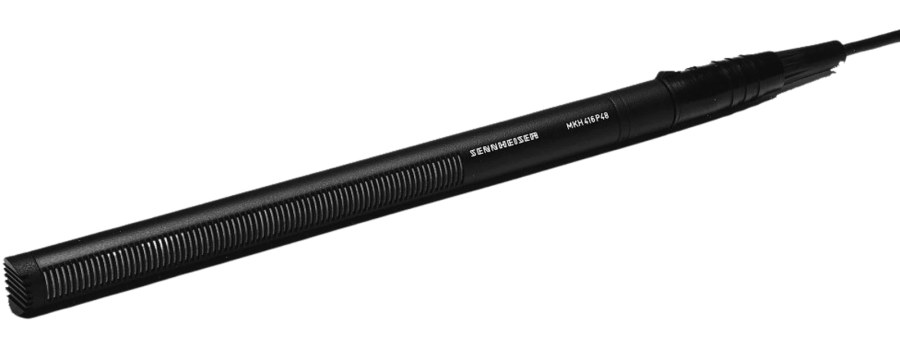
Sennheiser MKH 416 Our pick
The trailer and promo sound

Sennheiser MKH 416

Tight, directional and largely uninterested in the room behind you, which is why it has been the film trailer sound for decades. It is also short and light, so it travels. When a hotel-room read from a working pro sounds like a booth, this is usually why.

Also needs Phantom power. A pop filter or a slight off-axis angle, because it is unforgiving of plosives.

around $999 See it on Amazon
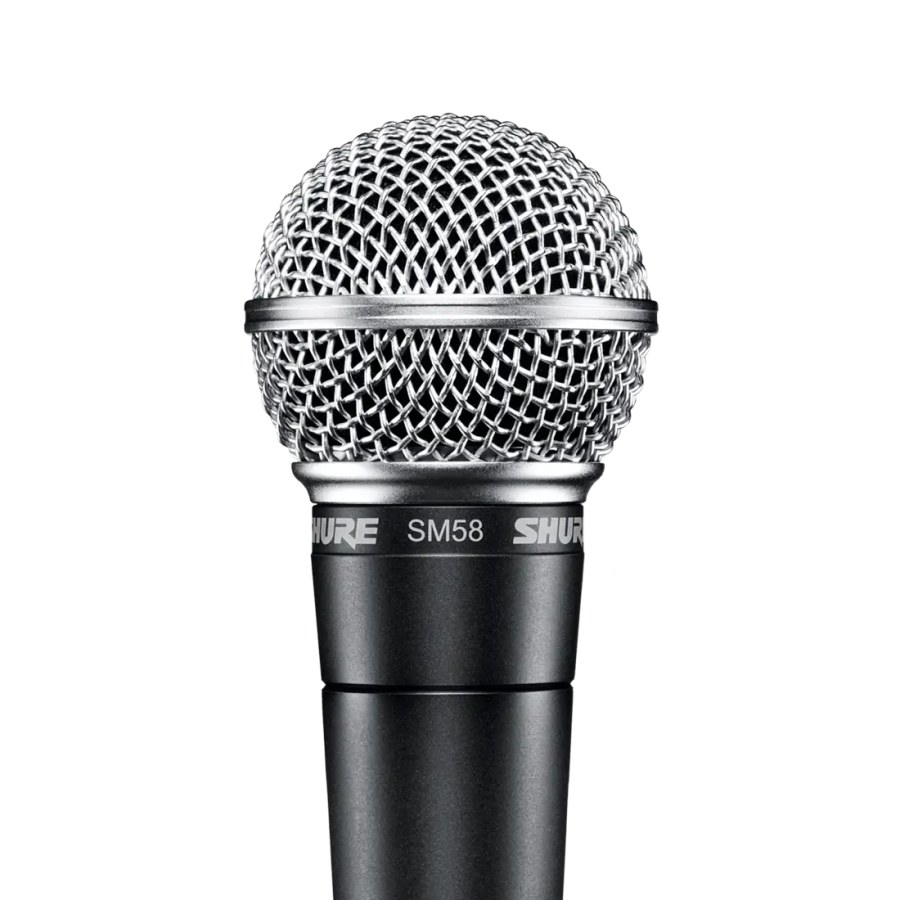
Shure SM58
The one that survives the trip

Shure SM58

Not a beautiful voiceover microphone, and it does not pretend to be. It is the one still working after the case gets dropped, and a usable pickup you actually delivered beats a gorgeous one sitting in the hold.

Also needs Gain, and a client who has agreed to a rougher backup take.

around $99 See it on Amazon
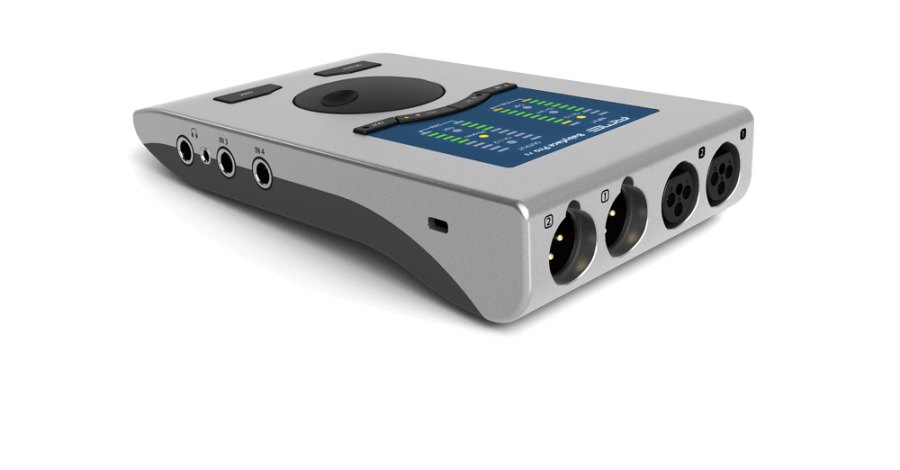
RME Babyface Pro FS Our pick
The one that never drops out

RME Babyface Pro FS

People buy this for the drivers, not the sound. It is the interface that does not crackle halfway through a live session with an agency listening, on a laptop that has been awake for nine days. It runs on bus power, so it travels too.

Also needs Nothing. That is rather the point.

around $899 See it on Amazon
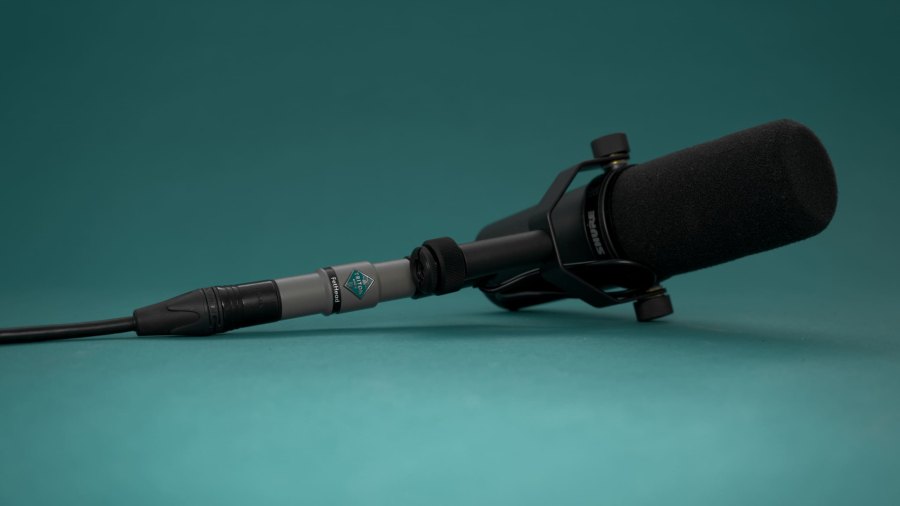
Triton Audio FetHead
The same trick, pocket sized

Triton Audio FetHead

The inline version. It screws straight onto the microphone, costs half as much as the box, and loses nothing you will hear. It lives in a travel bag very happily.

Also needs Phantom power.

around $89 See it on Amazon
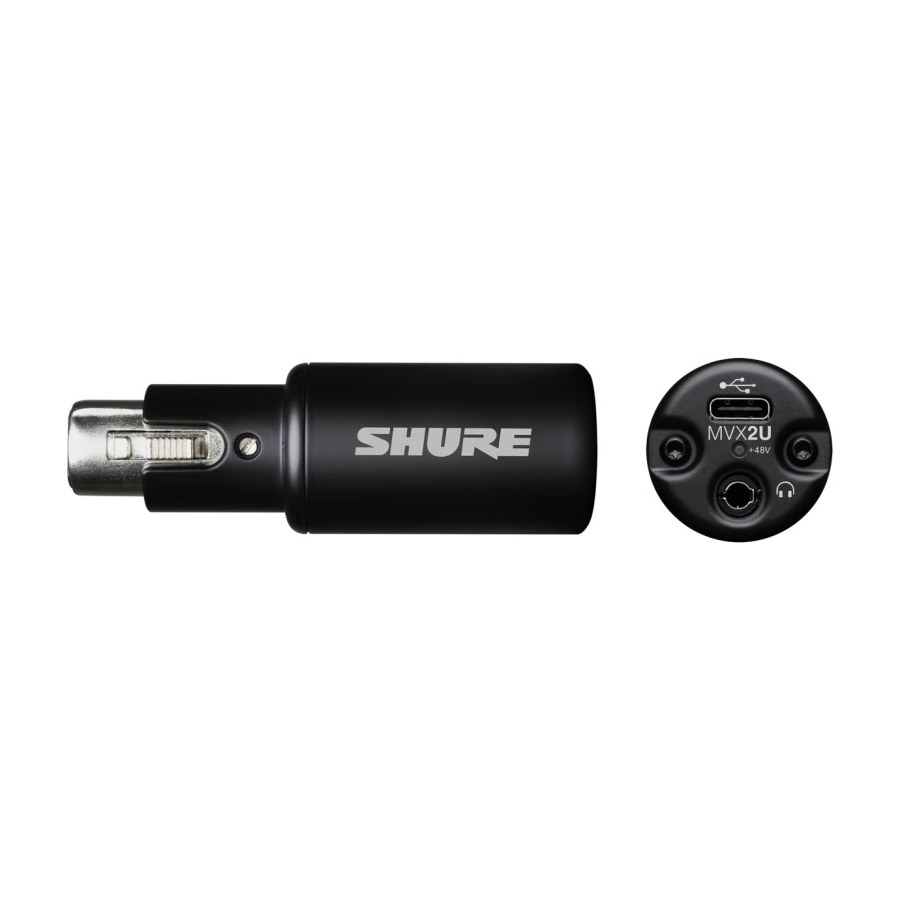
Shure MVX2U Gen 2 Our pick
An interface the size of a plug

Shure MVX2U Gen 2

XLR in, USB-C out, phantom power, a headphone socket and enough gain for a dynamic, in something that fits in a coat pocket. This is the piece that turns a real microphone into a travel kit.

Also needs A USB-C cable and a laptop or a phone.

around $129 See it on Amazon
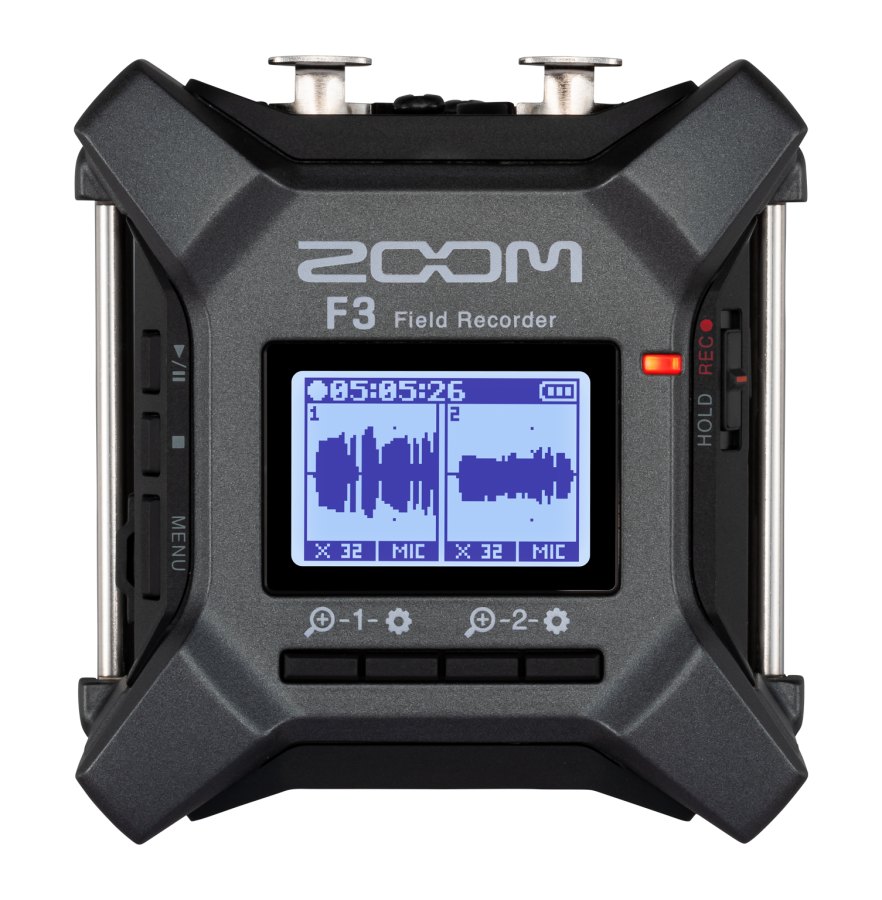
Zoom F3 Our pick
The take you cannot clip

Zoom F3

It records 32-bit float, which in plain English means you set no level at all and the loud surprise in take four is still usable. For a read in a strange room with no time to soundcheck, that is worth more than any preamp.

Also needs Two AA batteries, a microSD card and an XLR cable.

around $349 See it on Amazon
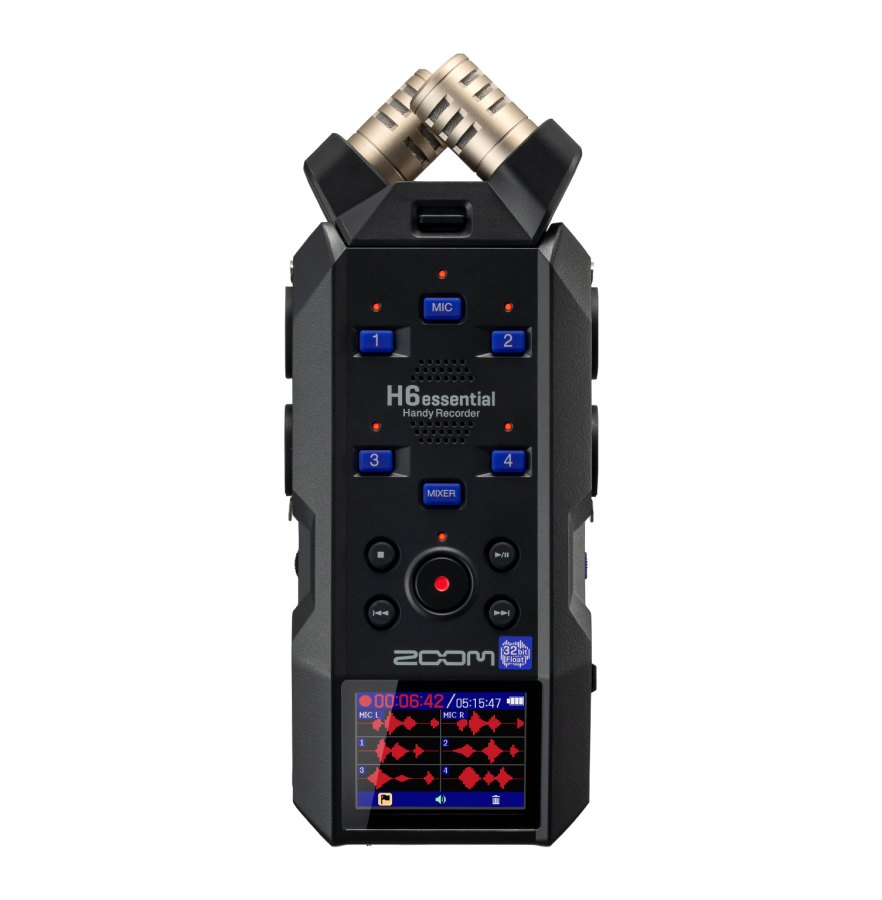
Zoom H6essential
Recorder, interface, backup

Zoom H6essential

Also 32-bit float, with faders, a screen and its own microphones. It doubles as a USB interface, so one box covers the hotel read, the live session and the morning the laptop will not wake up.

Also needs A card and batteries. Bring both spare.

around $299 See it on Amazon
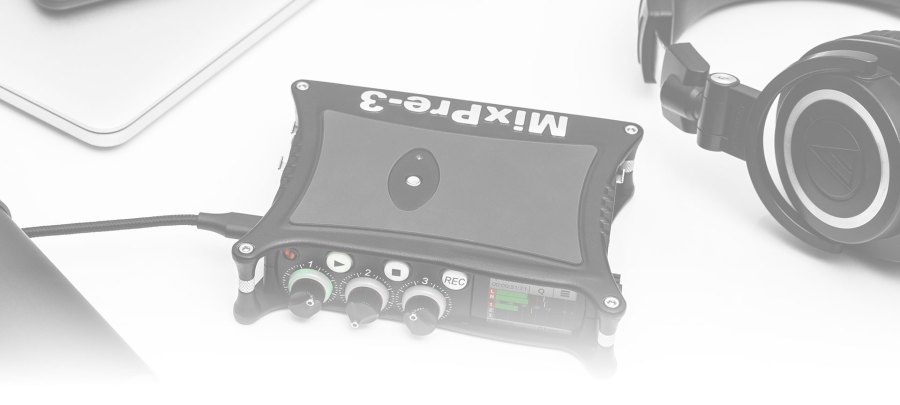
Sound Devices MixPre-3 II
Location grade, in a bag

Sound Devices MixPre-3 II

Preamps built for film location sound, in a body that takes a beating and keeps recording. Expensive for a voice actor, and entirely justified if travelling is how you work.

Also needs A card, batteries or USB power, and a case.

around $899 See it on Amazon
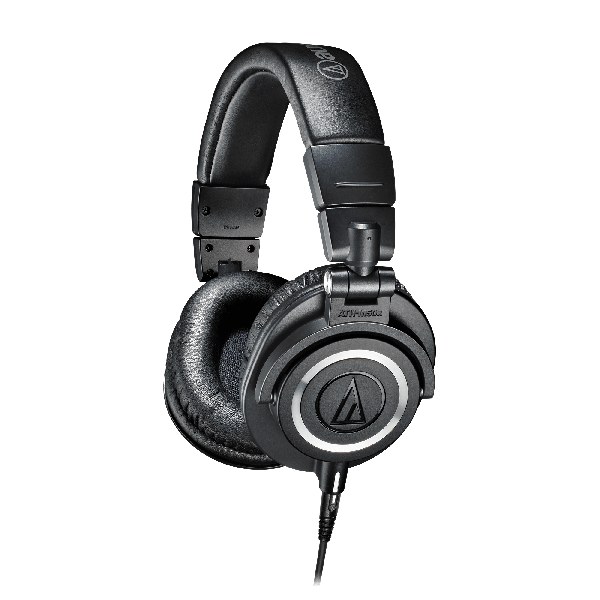
Audio-Technica ATH-M50x Our pick
In every edit suite on earth

Audio-Technica ATH-M50x

Closed, honest and slightly unkind, which is exactly what you want when you are hunting a mouth click at eleven at night. They fold flat for a bag, the cable detaches so a broken one costs ten dollars rather than a new pair, and they have been the default studio headphone for a decade.

Also needs Nothing. New earpads every couple of years.

around $159 See it on Amazon
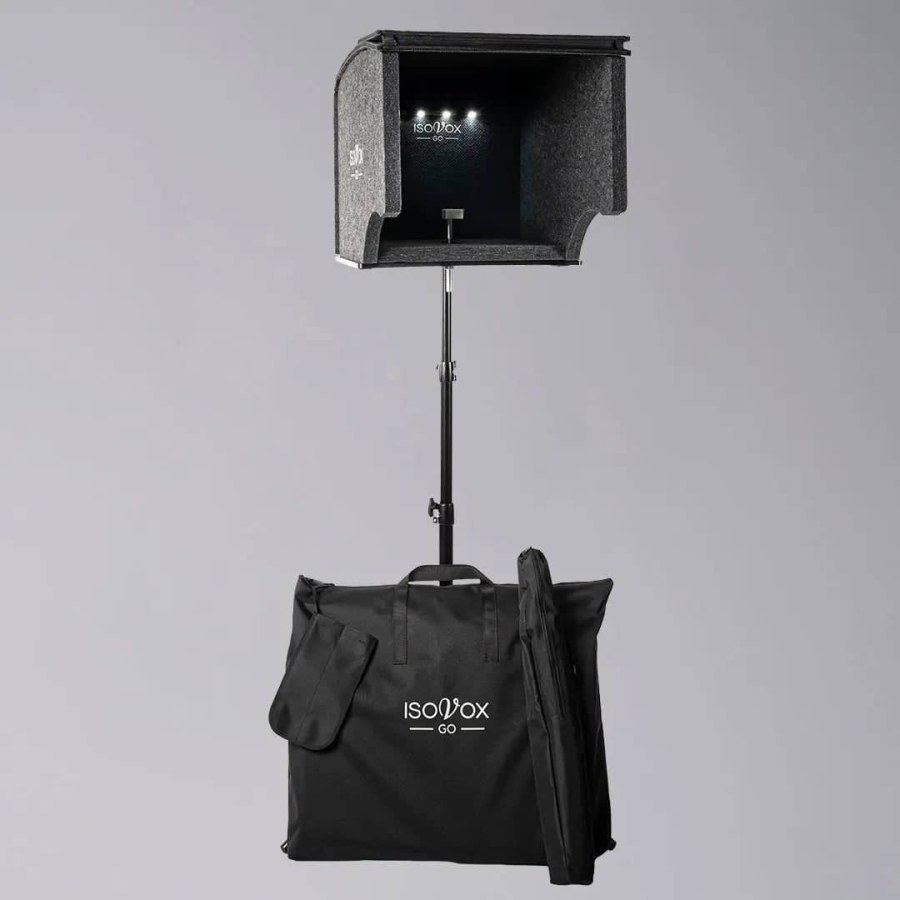
IsoVox GO portable booth
A booth that packs flat

IsoVox GO portable booth

Fold-out absorbing walls that go around the microphone and pack into a case. It will not turn a noisy room into a quiet one, but it will take the room off the recording, which is the part the client actually hears.

Also needs Room in the luggage, and a stand.

around $743 See it on Amazon
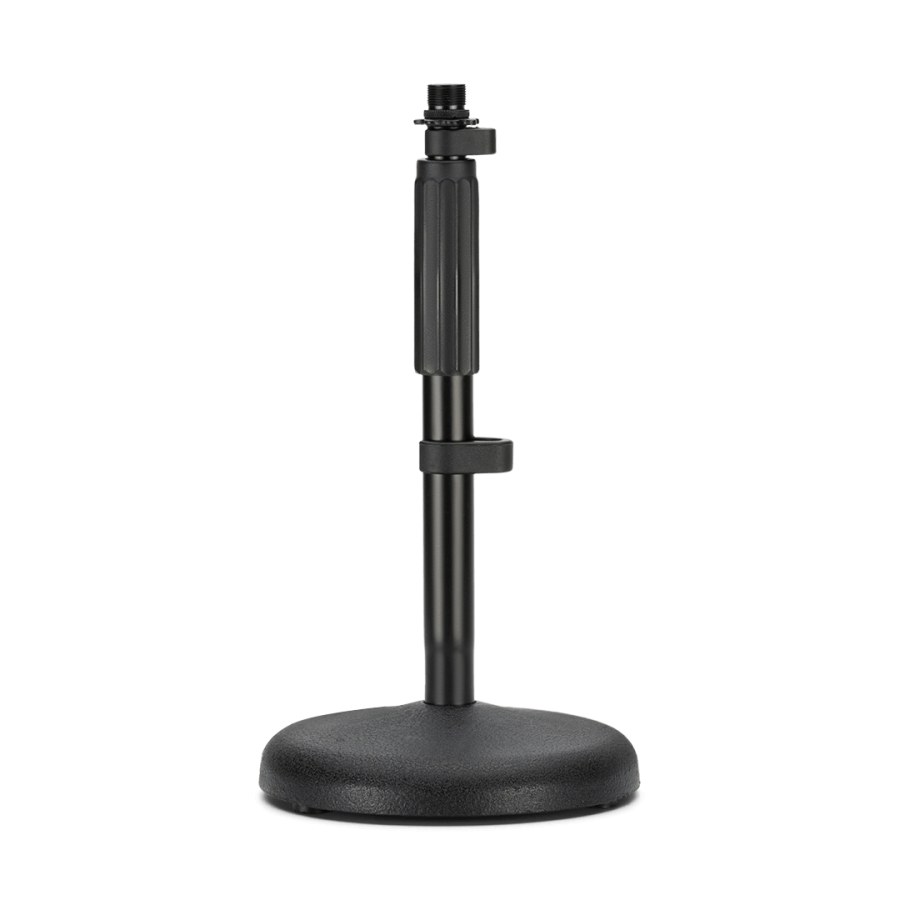
Rode DS1 desk stand
Fits in the side pocket

Rode DS1 desk stand

A small weighted desk stand for the hotel room. Put a folded towel under it and the desk stops sending every tap and creak into your read.

Also needs Nothing. The thread fits a standard mount.

around $39 See it on Amazon
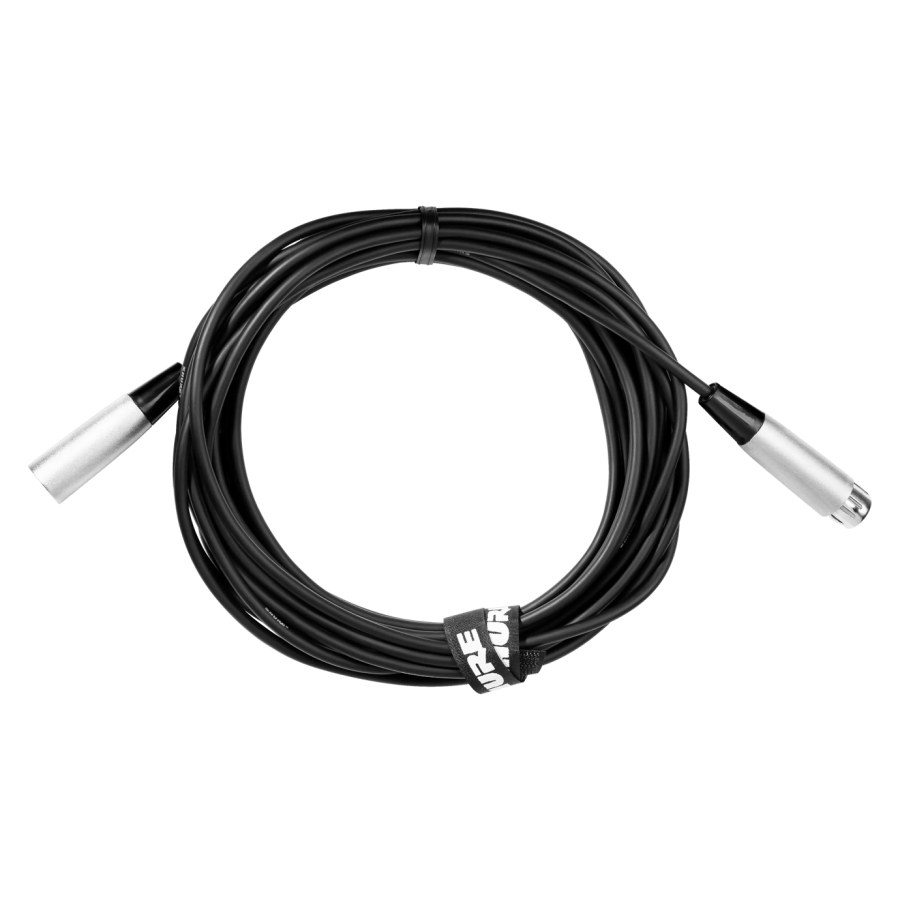
Shure C25J microphone cable
Buy two the first time

Shure C25J microphone cable

Cable is the cheapest part of the chain and the part that fails first, usually five minutes before a session. Twenty-five feet of it, so the microphone can be where it should be rather than where the socket is, and the spare lives in the bag.

Also needs Nothing.

around $23 See it on Amazon
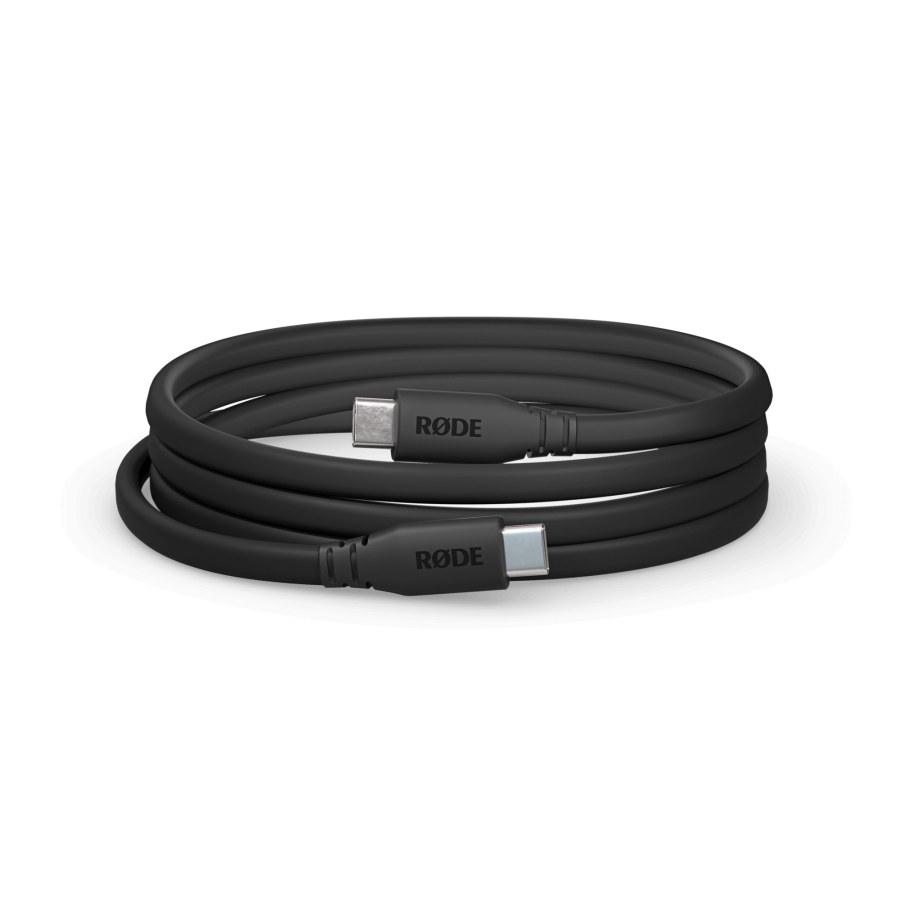
Rode SC17 USB-C cable
The one cable that must not fail

Rode SC17 USB-C cable

The cable between the interface and the laptop is the one nobody packs a spare of, and a charging cable that does not carry data will have you convinced the interface is broken. This one is flat, so it lives in a laptop sleeve without curling, and it comes from people who make recording gear rather than phone accessories.

Also needs Nothing. Pack two.

around $19 See it on Amazon
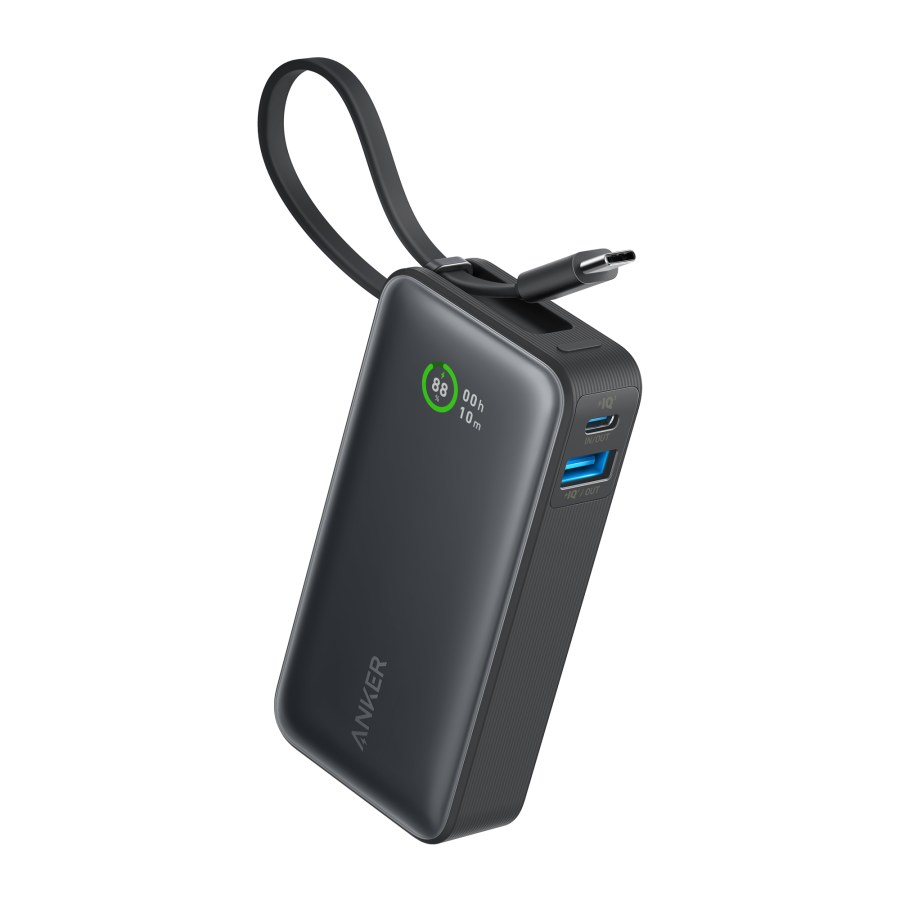
Anker Nano power bank, 10,000mAh
Power that is not the hotel wiring

Anker Nano power bank, 10,000mAh

Running the interface from a battery rather than a foreign socket removes an entire category of hum from your recording, and keeps you going through the power cut. Ten thousand is plenty for a session and a laptop top-up, the cable is built into it, and it is small enough that you will actually pack it.

Also needs Airline rules keep it in the cabin, never the hold.

around $50 See it on Amazon
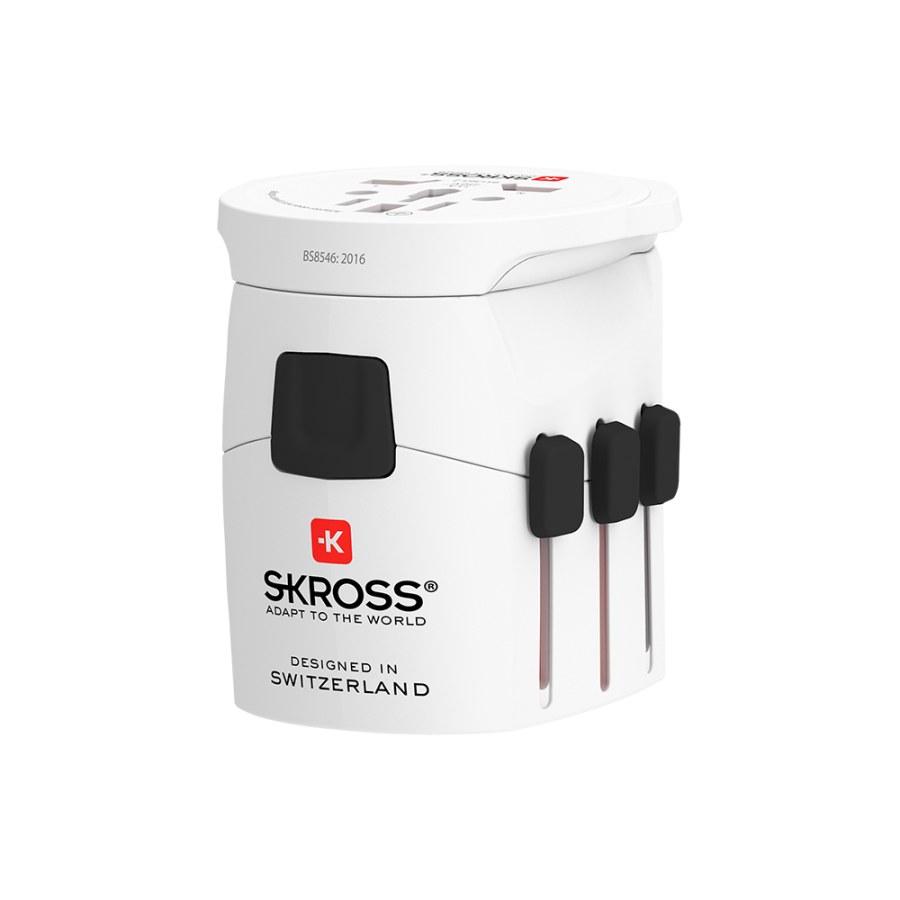
Skross PRO Light World adapter
Get the earthed one

Skross PRO Light World adapter

Cheap two-pin adapters break the earth connection, and an unearthed laptop charger is the most common source of the buzz you will otherwise spend an hour chasing. This one also charges the laptop and the phone off the same plug.

Also needs Nothing.

around $40 See it on Amazon
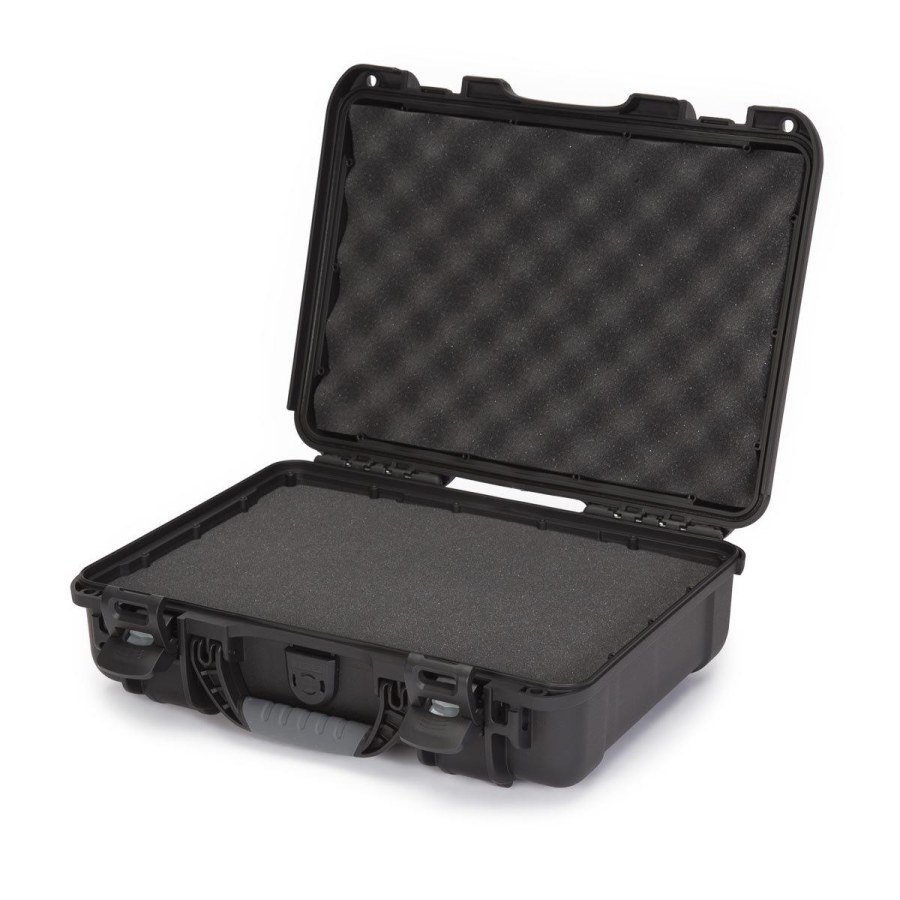
Nanuk 910 hard case
Cabin sized, ideally

Nanuk 910 hard case

A microphone in a padded pocket inside a rucksack is a microphone waiting for a baggage handler. The foam pulls out in cubes so you can shape it to your kit, and this size goes in a cabin bag.

Also needs Measuring your microphone first.

around $68 See it on Amazon
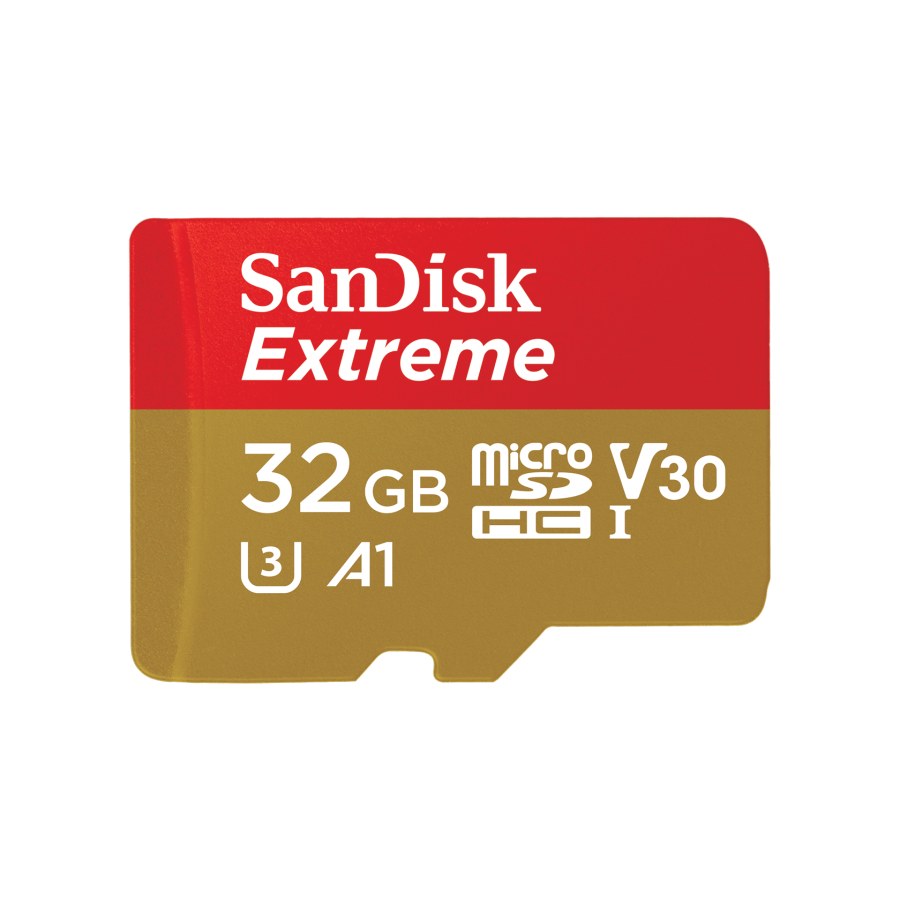
SanDisk Extreme microSD card
The recorder is a paperweight without one

SanDisk Extreme microSD card

Cards fail, and they fail on the day. The 128GB one holds more than you will ever record on a trip. Buy two: together they cost less than one lost session, and the spare lives taped inside the lid of the case.

Also needs A card reader, or a recorder that mounts as a drive.

around $42 See it on Amazon
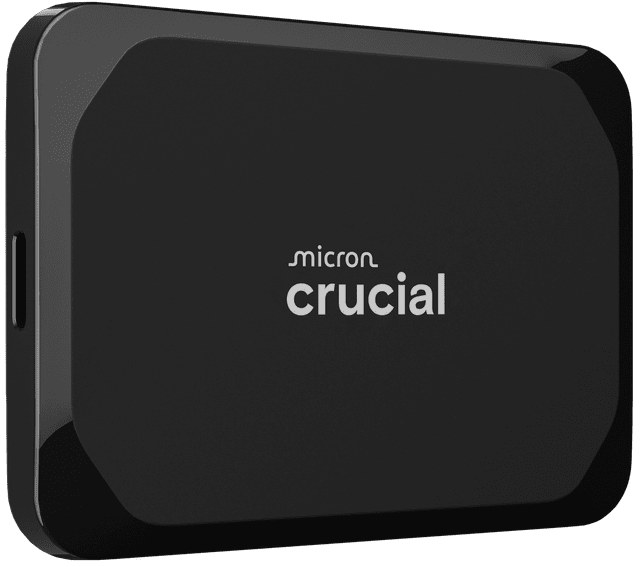
Crucial X9 portable SSD, 1TB
Where last year lives

Crucial X9 portable SSD, 1TB

Clients come back eighteen months later wanting one pickup line in the same voice, the same room and the same level. The session you still have is the job you still get.

Also needs A backup of the backup, ideally somewhere else entirely.

around $174 See it on Amazon
While you are shopping

Try Prime free while you upgrade.

Travel kit is always ordered in the week before a trip, which is the week you cannot afford slow delivery. Amazon's trial costs nothing, the delivery is quicker while the parcels are landing, and you can cancel before it renews if you would rather not keep it.

Start the free trial
Questions

From people who tried it.

Can you really record broadcast audio in a hotel room?
Yes, and it happens every day. A directional microphone, a wardrobe full of clothes and the air conditioning switched off will get you a recording most clients cannot tell from your booth.
What is the smallest usable voice over travel kit?
A microphone, an XLR to USB adapter, headphones, a desk tripod and two cables. That is well under a kilo and it fits around the laptop you were taking anyway.
Do I need a recorder as well as a laptop?
Not strictly. A recorder means a dead laptop does not end the session, and one that captures 32-bit float means you never lose a take to a level you set wrong in a hurry.
Should the microphone go in the hold?
No. Carry it on, always. A microphone in checked luggage is a microphone you might be buying again in a foreign city.
How do you avoid the buzz in foreign hotels?
Run the interface from a battery rather than the wall, use an earthed adapter, and keep the laptop charger unplugged for the take if you can. That covers almost every case.
Will clients here know I am travelling?
Only if you tell them. What they notice is whether the recording matches the last one and whether it arrives when you said it would.

Prices are US street prices, checked by hand on 23 September 2026, and they move. Treat them as a guide to what a thing costs rather than a quote, and check Amazon for today's figure.

Every product here is checked against Amazon each night. If something is discontinued or out of stock the card says so instead of sending you to a dead page.

Product photographs are the manufacturers' own, used to show you the thing they are photographs of. Where a card shows a drawn panel instead, that maker publishes no photograph we are able to use.

As an Amazon Associate, The Voice Realm earns from qualifying purchases.

Able to record anywhere? Say so.

Set the turnaround you can really hit from the road and keep taking the work while you travel.