Blog
Narration Voice Over
The Sound of Nothing: Why Every Voice Over Needs Room Tone
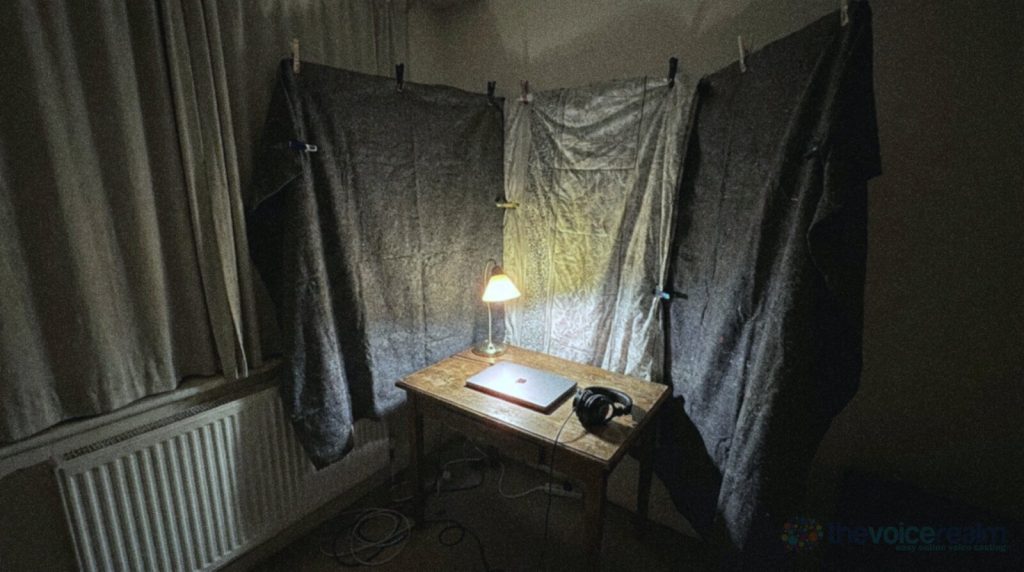
Room tone is your room's sound when you're not talking. Why editors and audiobook platforms want it, how to record it at home, and how to patch gaps with it.
Room tone is your room's sound when you're not talking. Why editors and audiobook platforms want it, how to record it at home, and how to patch gaps with it.
Why statements drift up at the end, why it sounds fine in conversation but unsure on a recording, and a ten minute drill to land your lines.

How voice actors find the right way to say names, places and brands: who to ask, where to look, how to write it down, and what to do when you can't confirm it.
Car, bank and drug ads end in small print. How to read a legal disclaimer quickly and clearly, what regulators expect, and a drill to practise it.
What narrating a museum audio guide asks of a voice actor: reading for someone looking at art, short stops, wayfinding lines and takes that match.
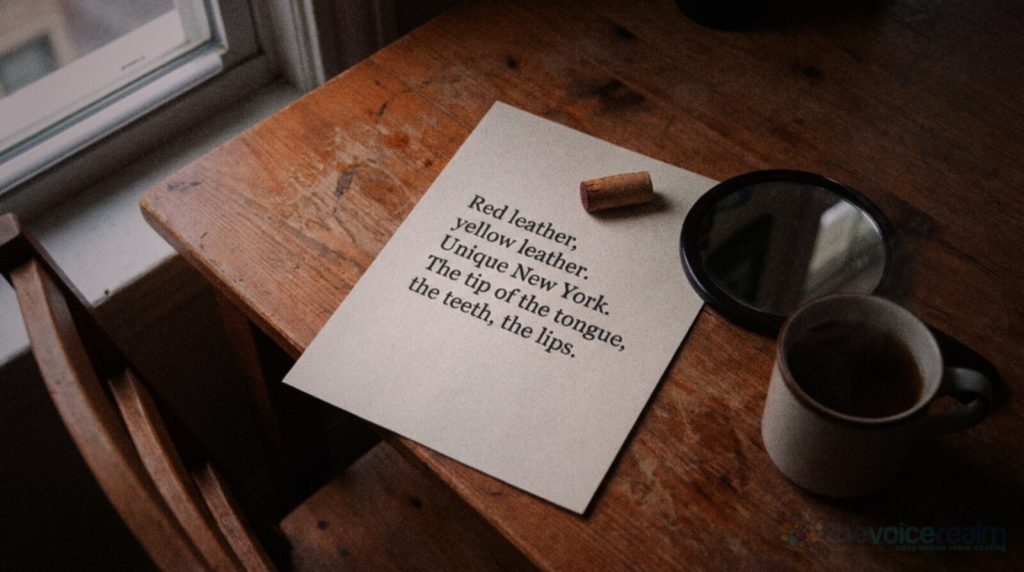
Clearer voice over without the robot: loosen the jaw, tongue and lips, the drawl drill, tongue twisters done right, the cork, and finishing your endings.
What working narrators do, what voice research says about tired voices, how to build breaks into a long recording day, and the signs it's time to stop.
How to record audiobook and voice over pickups that match the original: setup notes, mic position, time of day, listening first and checking the join.
Does milk make mucus? Is coffee bad for your voice? What the research says about food and drink on recording day, and what to keep by the mic.
Why scripts make us sound like we're reading, and what to try today: tell one person, speed read, rewrite it, stand up, record yourself.