What Do I Have to Do to Become a Voice Actor?
Breaking into voice acting used to mean begging an agent for a shot. Now it’s skills, a quiet room, basic editing and steady auditions.


Breaking into voice acting used to mean begging an agent for a shot. Now it’s skills, a quiet room, basic editing and steady auditions.

Nine signs your project has outgrown DIY recording, from flat delivery and bored listeners to scripts that need multiple accents.
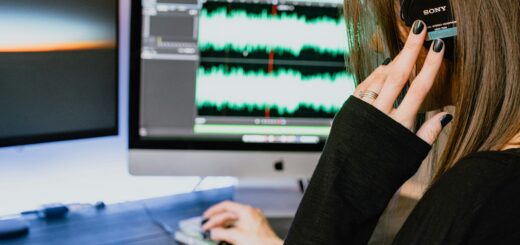
Five YouTube videos worth watching if you’re starting out in voice over, covering home studio basics, vocal warm-ups, auditioning and demo reels.

The steps to starting out as a home-based voice actor, from testing your voice and picking gear to setting up a quiet room and working with a coach.
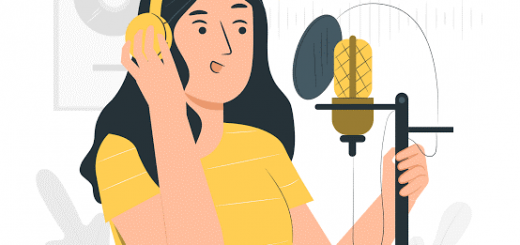
Practical steps for new voice actors: researching your character, warming up your voice, finding a mentor, taking classes, and practicing at home.

What voice acting work actually involves, why it fits around classes, and how college students can start with training, practice and auditions.
Steve, a voice artist from Illinois, shares how he’s donating narration to local businesses and emergency services, and why it might pay off later.

Koop, a Sydney voice actor with a radio background, on what he’s learned going full-time: booth before mic, saving every audition, coaching.

A rundown of voice over genres, from ADR and anime to games, e-learning, audiobooks, commercials and IVR, and the skills each one asks for.
A rundown of the tools that let clients direct a voice actor in real time, from Skype, Mikogo and Source Connect to ISDN and a plain phone patch.