Blog
Voice Over Business
Voice Over Actors Then and Now
A 2002 Guardian column by a working actor gets a second look, and aside from home studios, surprisingly little about voice over has changed.
A 2002 Guardian column by a working actor gets a second look, and aside from home studios, surprisingly little about voice over has changed.
Three habits that get auditions heard on pay-to-play sites: submit early, keep the sound professional, and only go for roles that suit your voice.
Christina, a busy Canadian voice actor, talks repeat clients, long e-learning narrations, and the client communication that keeps work coming back.
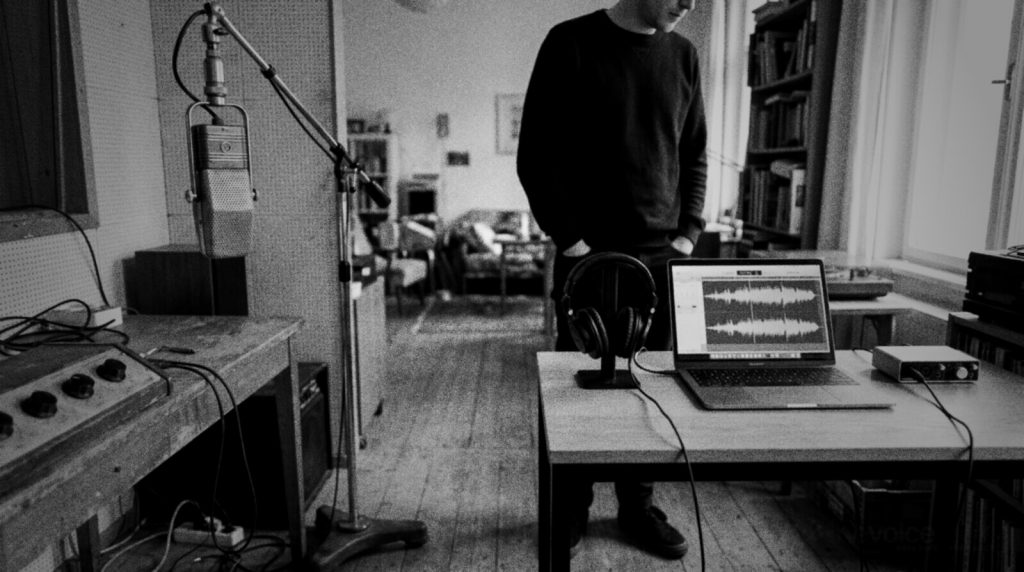
Glen, an Australian voice talent working out of Hong Kong, talks client communication, his home studio mics and gear, and how he promotes himself.
How your vocal cords make sound, what vocal cord dysfunction feels like, what causes it, and why speech therapy, not medicine, is the usual treatment.
Film noir is more mood than genre. A look at how voiceover narration and flashbacks shaped it, with examples from Double Indemnity and Detour.
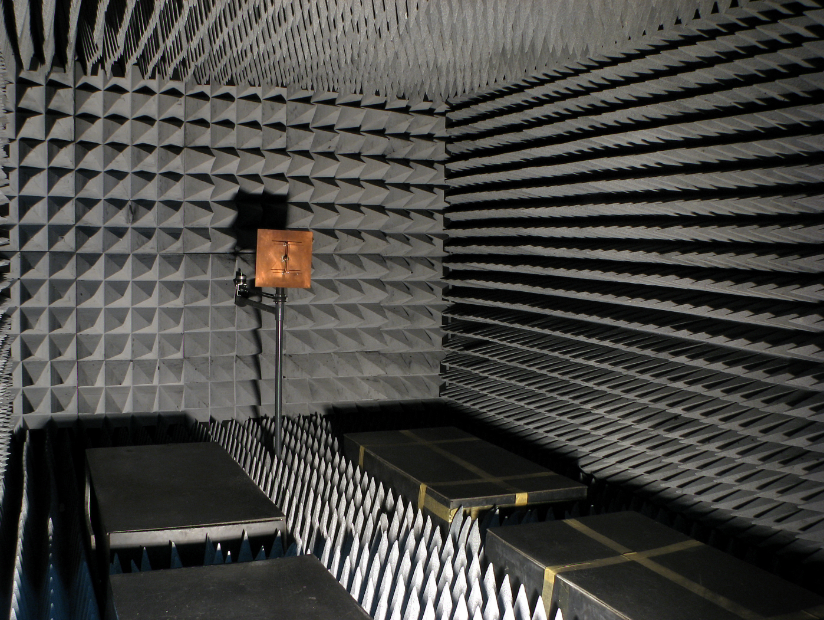
A Minneapolis lab absorbs 99.99% of sound and measures -9 decibels. People start hallucinating inside, and 45 minutes is the record stay.
Voiceover, un-style voiceover and lip-sync dubbing get mixed up all the time. What each one actually is, and where you'll see them used.
Jim, a Philadelphia voice actor with an arts management day job, talks basement studio setup, his Groucho Marx impression, and starting late.
Alexa, a Phoenix radio pro of 23 years, talks about her sassy hotel spots, her home studio gear, and why feedback beats going it alone.