Blog
Blog
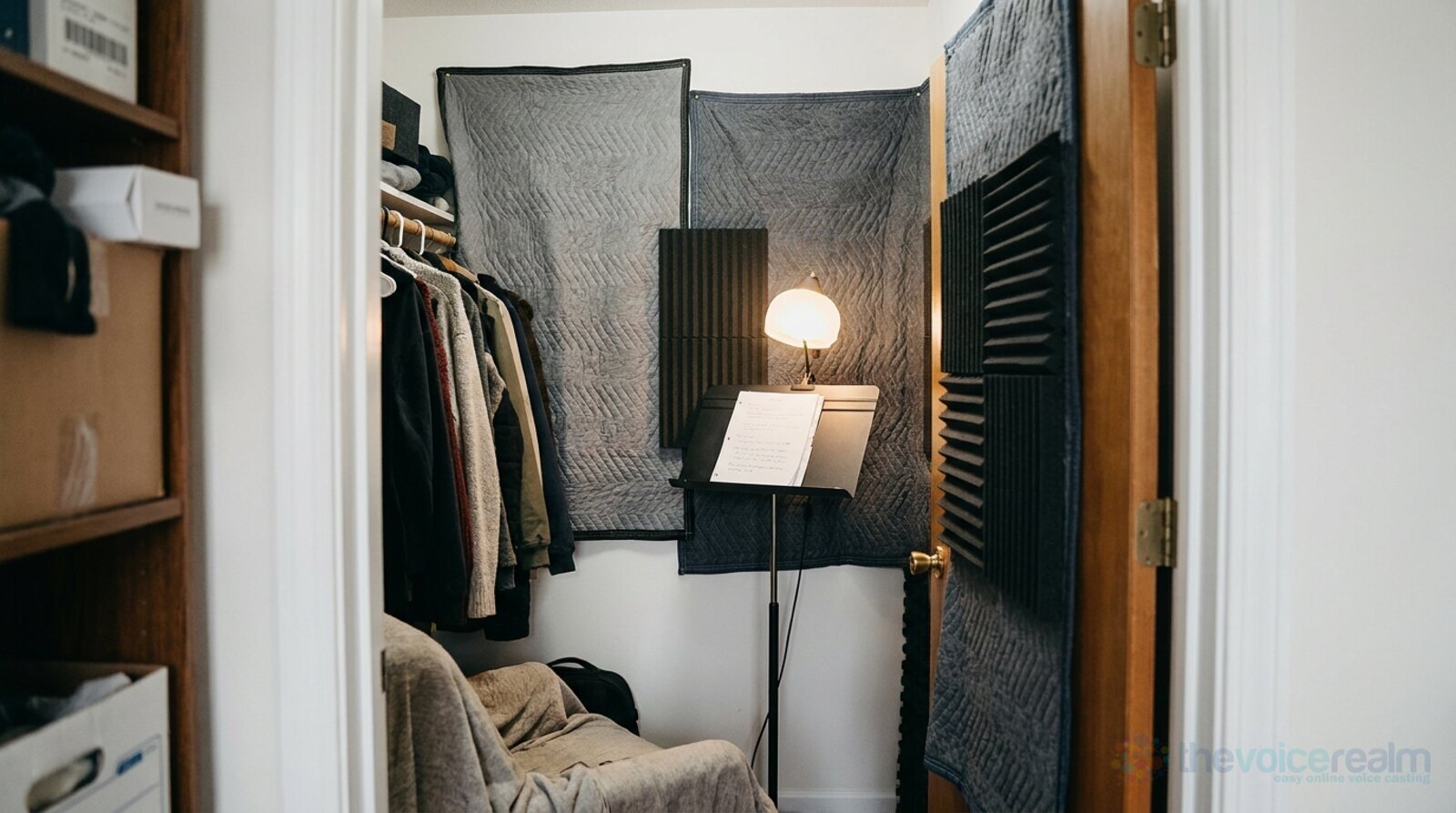
So you want to set up a professional home studio? Want to strike out on your own and make a living talking in your closet? Well, congratulations, you’ve entered into the world of makeshifting, confusion, and arts & crafts. But before you go out and spend hundreds of dollars on your microphone, here are a few common mistakes most voiceover actors make when they try and carve out their home studio.
Setting up a Microphone Next To Your Computer
Sure, it seems like a great idea. Your computer is right there, you can read the auditions. It’s fine for vloggers, gamers, and tech reviewers. It’ll be great. Right? Wrong! Your computer, be it desktop or laptop, is a wheezing, humming, beeping noise machine. Every single electric buzz will not only be picked up by the microphone, it will be enhanced. You should have your microphone as far away from any noise or electrical sources as possible.
Getting Under A Blanket
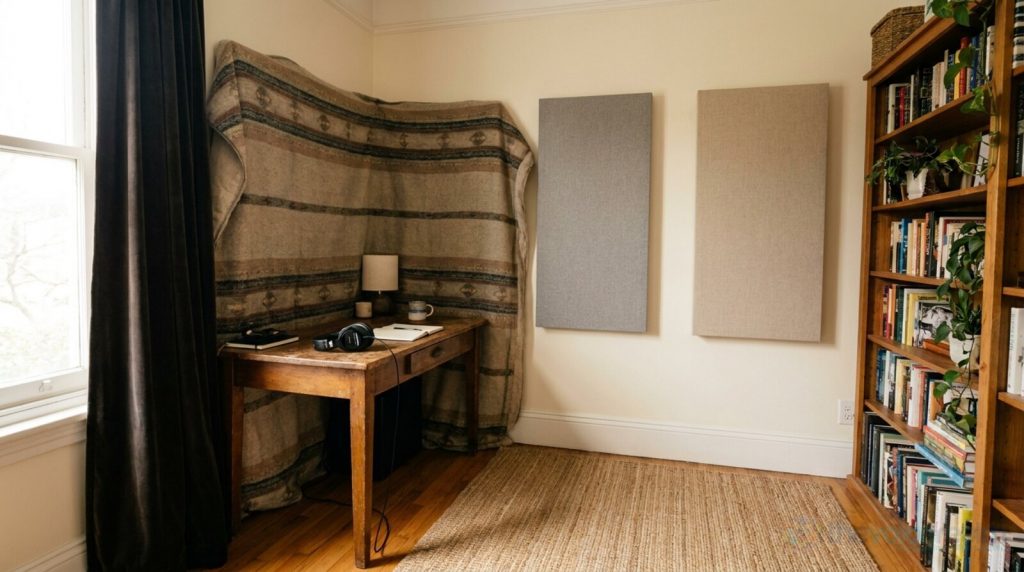
I can’t tell you how many times I’ve heard a voice over coach claim that this is a great idea. Summer is an actual season that exists. Most voice actors make the wise decision of turning off an air conditioner before recording. So getting under a nice thick quilt and taking on that 6-hour audiobook may not be the best idea. Plus, you want to be as relaxed and comfortable as possible. Crouched over a laptop, holding a microphone in your hand, and covered by a down comforter probably won’t get the most relaxed read.
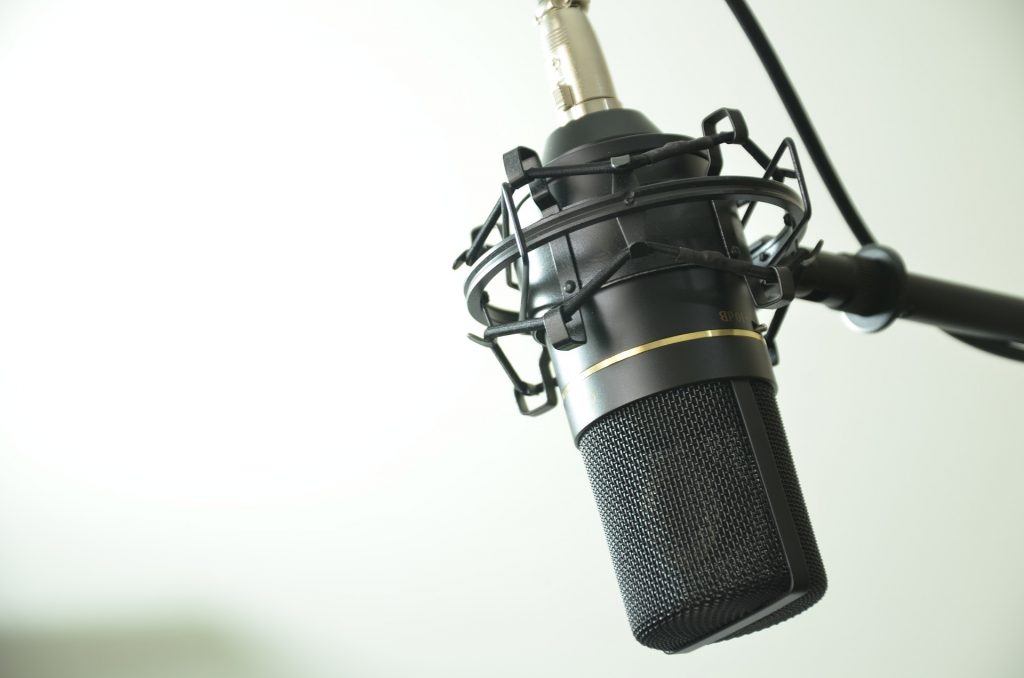
Confusing a Good Microphone With A Good Studio
The better the microphone you get, the more sound you will hear. A Neumann will definitely pick up the airplane that runs every 10 minutes near your apartment. Not only will it pick it up, it will be the clearest airplane sound you’ve ever heard. Quality microphones produce more accurate quality sound. Higher quality microphones benefit from a quality sounding studio.
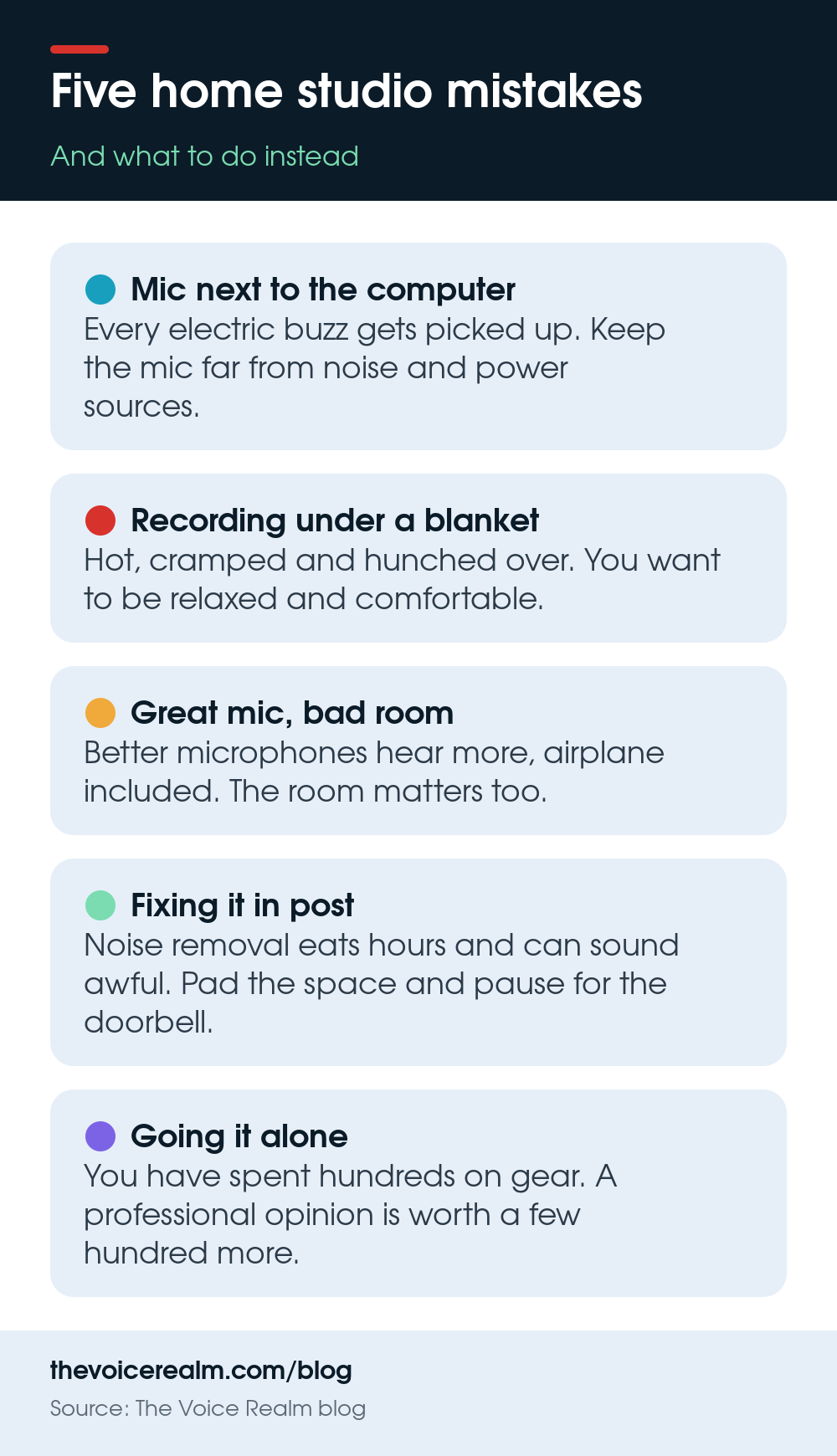
All five mistakes at a glance © The Voice Realm
Fixing It In Post
I’ve seen all the great applications that promise to take out car horns, dogs barking, and even the dreaded room tone. These take insanely large amounts of time to figure out, and the end product ends up sounding atrocious. Gates that cut out high and low tones may take out the hum and hiss of a nearby window but they also make it sound like you’re talking in a KFC bucket. A well padded closet and the presence of mind to stop talking when your neighbor’s doorbell rings will combine to create a sufficient sounding studio.
Thinking You Don’t Need Help
None of us are sound engineers. Many of us think we are sound engineers. Those of us that ARE sound engineers are probably making money AS sound engineers. Lucky for us, there are only three or four people out there that have made a living assessing home studios for voice actors. The two primary go-tos for studio assessment are George Whittam and Dan Lenard. If you’ve spent hundreds of dollars on microphones, multiple hours padding the walls of a closet, and auditioned hundreds of times, why not spend a few hundred more to get a professional opinion? Better yet, these guys offer customized filters for your voice.
Ready to get booked?
See the jobs open right now